Houthi Siege Tightens Its Grip on Taiz as Severe Restrictions Deepen Humanitarian and Health Crisis
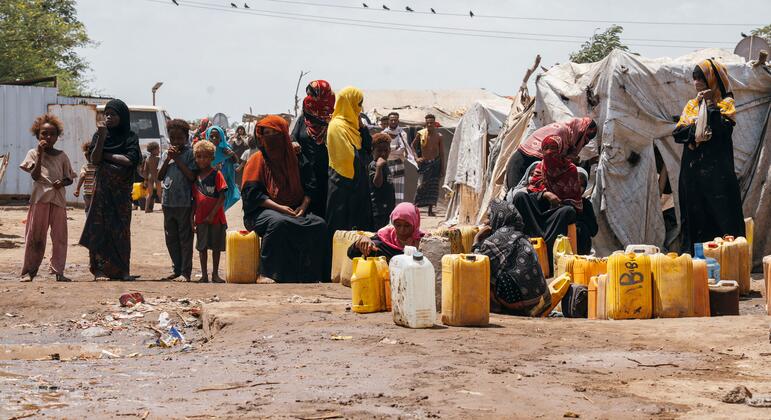
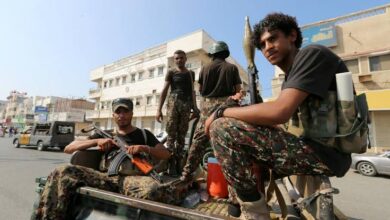
The Yemeni city of Taiz faces a worsening humanitarian and health crisis as the Houthi-imposed siege and severe restrictions obstruct relief deliveries. Water and sanitation services have deteriorated sharply, while continuing military clashes heighten fears of disease outbreaks.
The UN Office for the Coordination of Humanitarian Affairs (OCHA) warned about the worsening health situation, reporting that hospitals had recorded approximately 5,600 cases of waterborne and vector-borne diseases in just four weeks, from October 25 to last Sunday.
A Critical Water Shortage
These figures do not capture the full scale of the crisis. Residents’ difficulties reaching hospitals make it harder to record cases and monitor the spread of disease.
UN Deputy Spokesperson Farhan Haq said deteriorating living conditions were increasing the risk of disease transmission, particularly because of inadequate waste collection and limited access to safe drinking water.
Water scarcity is among the most pressing challenges facing residents. Available supplies cover only 8 per cent of the city’s needs, while fuel shortages disrupt pumping and distribution.
In response, OCHA and its humanitarian partners have stressed the need for safe, sustained deliveries of fuel, medicines, clean water and medical supplies.
Mounting Economic Hardship
The suffering of Taiz residents extends beyond health concerns. Road closures have increased economic hardship and living costs. According to information presented by Haq during the UN’s daily press briefing, truck traffic reaching the city has fallen by 80 per cent, while transport costs from Aden have risen by more than 150 per cent.
The journey between Aden and Taiz now takes approximately 26 hours, compared with no more than three hours previously. This illustrates the obstacles facing the movement of goods and supplies.
The crisis has also driven up the prices of essential goods. The cost of a food basket has increased by 75 per cent, while cooking gas prices have surged by more than 170 per cent. These increases compound families’ growing difficulties in meeting their daily needs, particularly among displaced people and the most vulnerable groups.
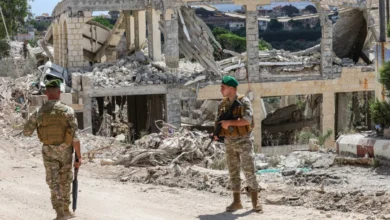
Elsewhere in Taiz governorate, fighting in the Sabr area continues to affect residents’ lives. It has damaged homes, destroyed livelihoods and killed livestock, while obstructing access to markets and healthcare facilities.
Haq reiterated that easing civilian suffering requires safe, sustained and unhindered humanitarian access. He also called for commercial and humanitarian supplies to be allowed in more easily and for support to local response teams so they can reach people in need throughout Yemen, particularly in Taiz.