Ice Baths After Exercise: The Hidden Trade-Off Between Recovery and Muscle Growth
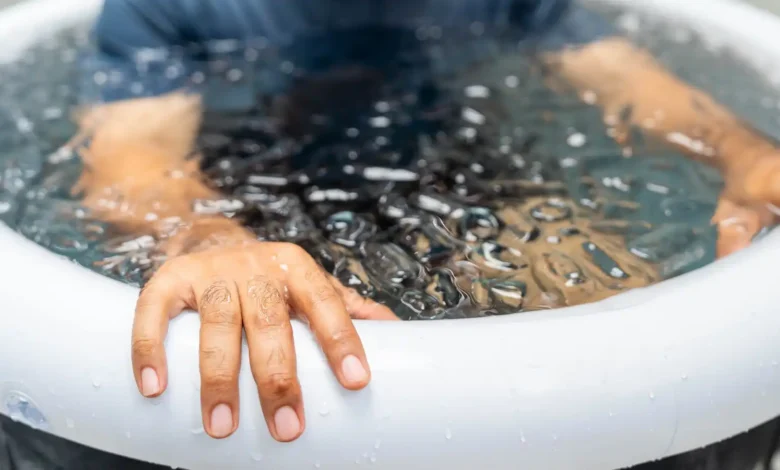
Ice baths have become increasingly popular among professional athletes, fitness enthusiasts, and people looking for ways to improve their physical recovery. Immersing the body in very cold water for a few minutes is often promoted as an effective way to relieve muscle soreness, reduce inflammation, and accelerate recovery after strenuous exercise.
Although cold-water immersion can provide certain benefits, its routine use after every workout may not always be the best strategy. In particular, emerging research suggests that frequent ice baths immediately after strength training could interfere with some of the physiological processes responsible for muscle growth and improved strength.
The practice therefore raises an important question: can a recovery method that makes the body feel better in the short term sometimes work against long-term athletic progress?
Why ice baths have become a popular recovery method
Intense physical activity places considerable demands on the muscles. After a demanding workout, individuals may experience soreness, stiffness, fatigue, and a temporary reduction in physical performance. These symptoms are partly associated with the mechanical stress placed on muscle fibres during exercise.
Cold-water immersion has consequently become a widely used recovery technique. The method involves exposing the body, or part of it, to low temperatures for a limited period in the hope of reducing discomfort and supporting recovery.
One of the immediate effects of cold exposure is vasoconstriction, a process in which blood vessels narrow and blood flow to exposed areas temporarily decreases. This physiological response may influence pain perception and help reduce some of the discomfort associated with strenuous exercise.
Many athletes also report feeling more alert and refreshed after an ice bath. The cold sensation can temporarily reduce the perception of fatigue and create the impression that the body has recovered more effectively.
However, feeling better after a cold-water session does not necessarily mean that the muscles have completed their recovery more quickly or that all the biological processes involved in muscle repair have been improved.
How cold exposure may help relieve muscle soreness
One of the most frequently cited benefits of ice baths is their potential to reduce delayed-onset muscle soreness, commonly known as DOMS. This discomfort often develops several hours after an unfamiliar or particularly demanding workout and can persist for a day or more.
Cold-water immersion may temporarily reduce the perception of pain and provide subjective relief. This effect is thought to involve several physiological mechanisms, including changes in nerve signalling and the way the body responds to exercise-related stress.
Cold exposure may also influence inflammatory responses following strenuous physical activity. Nevertheless, inflammation should not automatically be regarded as something harmful that needs to be eliminated.
In fact, the inflammatory response is part of the body’s natural adaptation process. It helps initiate the repair and remodelling of tissues exposed to physical stress. These mechanisms contribute to the improvements in muscular strength and endurance that occur through consistent training.
This distinction is important: reducing discomfort is not necessarily the same as improving every aspect of recovery.
The potential downside: interference with muscle adaptation
Exercise is not simply about burning calories or temporarily increasing physical performance. It also triggers biological responses that gradually enable muscles to become stronger, more resilient and, in some circumstances, larger.
During resistance training, muscle fibres experience mechanical tension that stimulates processes involved in muscle repair and growth. These adaptations depend on several factors, including training intensity, nutrition, sleep and sufficient recovery time.
However, some research indicates that regularly using cold-water immersion immediately after resistance training may reduce certain muscle-building responses.
The underlying concern is that cold exposure could suppress or modify some of the physiological signals involved in muscle adaptation. By influencing processes associated with inflammation, blood flow, and cellular activity, frequent cold-water immersion may potentially reduce the effectiveness of the training stimulus.
Over time, this could translate into smaller improvements in muscle size and strength compared with recovery strategies that do not involve routine cold-water immersion.
This does not mean that every ice bath will prevent muscle growth. The effects appear to depend on several variables, including water temperature, immersion duration, frequency of exposure, and the type of exercise performed.
The available evidence therefore supports a more nuanced conclusion: ice baths may offer short-term comfort, but their repeated use immediately after strength training could come at the expense of some long-term adaptations.
Different sporting goals require different recovery strategies
Whether ice baths are useful largely depends on what an individual is trying to achieve.
For people whose main objective is to build muscle mass or increase strength, taking an ice bath after every resistance-training session may not be the most appropriate choice. Allowing the body’s natural recovery and adaptation processes to take place could be more beneficial.
The situation may be different for athletes who need to perform several times within a short period. Competitors involved in tournaments, demanding training schedules or closely spaced events may prioritise reducing soreness and restoring their ability to perform again quickly.
In such circumstances, cold-water immersion may be considered as an occasional recovery tool rather than a routine part of every training session.
Its potential usefulness may also vary between endurance sports, team sports and activities involving repeated high-intensity efforts. The most suitable recovery approach should therefore reflect the physical demands of the sport and the athlete’s immediate and long-term priorities.
There is no single recovery technique that works equally well for everyone.
The essentials of recovery remain unchanged
Despite the growing attention surrounding ice baths, the most important elements of physical recovery remain relatively straightforward.
Sleep is particularly important because it supports tissue repair, hormonal regulation and the restoration of physical and mental performance. Insufficient sleep can undermine athletic progress and increase the perception of fatigue, even when additional recovery techniques are used.
Nutrition is equally essential. Adequate protein intake provides the building blocks required for muscle repair and maintenance, while carbohydrates help replenish the energy stores depleted during exercise.
Hydration also plays a central role in maintaining normal physiological function and supporting performance. In addition, managing training intensity and allowing sufficient rest between demanding sessions can help prevent excessive fatigue and reduce the risk of overtraining.
For many people, these fundamental habits are likely to have a more meaningful impact on recovery than regularly exposing the body to extremely cold water.
Ice baths are not risk-free
Cold-water immersion is not suitable for everyone. Sudden exposure to very cold water can trigger a cold-shock response, which may involve rapid breathing, an increased heart rate, and a rise in blood pressure.
These reactions can be particularly concerning for individuals with cardiovascular disease, circulation problems, or certain chronic medical conditions. Anyone with such conditions should seek medical advice before attempting ice baths.
Prolonged exposure and excessively low temperatures should also be avoided. Numbness, unusual pain, dizziness, or breathing difficulties are warning signs that exposure should stop immediately.
Ice baths should never be used to compensate for inadequate rest, excessive training loads or poor recovery habits.
Finding the right balance between immediate relief and long-term progress
The debate surrounding ice baths highlights an important principle in sports science: a technique that provides immediate relief does not necessarily produce the best long-term results.
Cold-water immersion may help some athletes manage post-exercise soreness and feel more refreshed. However, using it systematically, particularly after strength-training sessions designed to stimulate muscle growth, may interfere with certain adaptations that contribute to improved performance.
The most sensible approach is to use cold exposure selectively, according to individual needs, training goals, and physical condition. Rather than trying to eliminate every sign of post-exercise discomfort, athletes should focus on supporting the body’s natural recovery mechanisms.
Ultimately, effective recovery is not about finding the coldest water or the most sophisticated technique. It is about achieving the right balance between training, rest, nutrition, and the body’s ability to adapt over time.