Turkish aid to Sudan: A humanitarian cover for strengthening al-Burhan’s influence and prolonging the war?
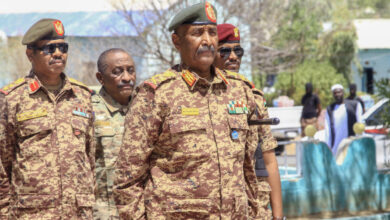
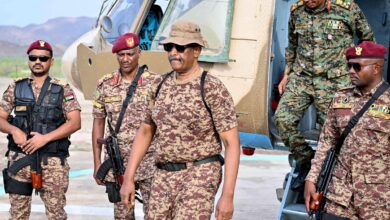
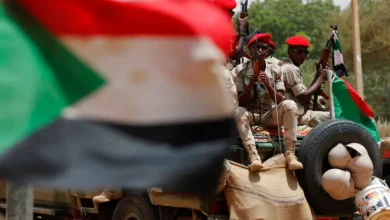
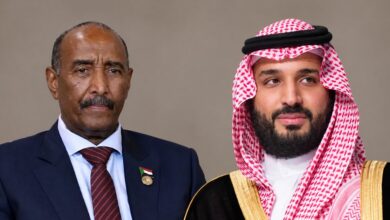
Turkey’s activities in Sudan have increasingly moved beyond diplomatic engagement and humanitarian initiatives aimed at alleviating the consequences of the war that has ravaged the country since April 2023. They are raising growing questions about the role Ankara seeks to play in a country that has become an arena for regional and international competition. While the Turkish government emphasizes its commitment to assisting the Sudanese people and supporting national stability, its humanitarian initiatives coincide with expanding military relations with the Sudanese army leadership and intensified political contacts with Abdel Fattah al-Burhan, commander-in-chief of the army and chairman of the Transitional Sovereignty Council.
The central issue lies in the interconnection between Sudan’s humanitarian crisis and its political and military conflict, in which domestic interests overlap with external strategic considerations. Under such circumstances, assessing foreign assistance requires looking beyond the volume of food and medical supplies arriving at Sudanese ports. It also involves examining the recipients of that support, the relationships emerging around it, and its potential political and military consequences.
Ankara portrays itself as a supporter of Sudan’s unity and stability and officially maintains that it is calling on all parties to end hostilities. However, developments in Turkish-Sudanese defense cooperation raise substantial questions about the consistency of this position with activities that have strengthened the Sudanese army’s military capabilities.
From humanitarian assistance to military partnership
Turkish-Sudanese relations are rooted in a long history of political and economic cooperation. They have developed considerably over recent years, particularly following Turkish President Recep Tayyip Erdoğan’s visit to Khartoum in December 2017, which resulted in the signing of several agreements across various sectors.
Since the outbreak of Sudan’s war, Turkey has maintained its diplomatic presence in the country. Its embassy relocated to Port Sudan in May 2023, coinciding with the transfer of institutions under al-Burhan’s leadership to the coastal city. This diplomatic presence became a cornerstone of relations between Ankara and the Sudanese authorities while most government institutions were operating under exceptional circumstances.
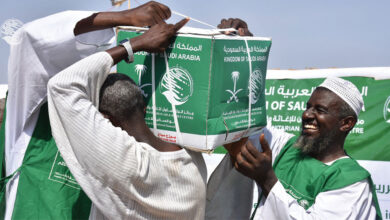
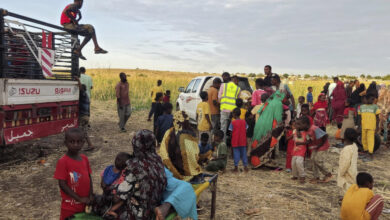
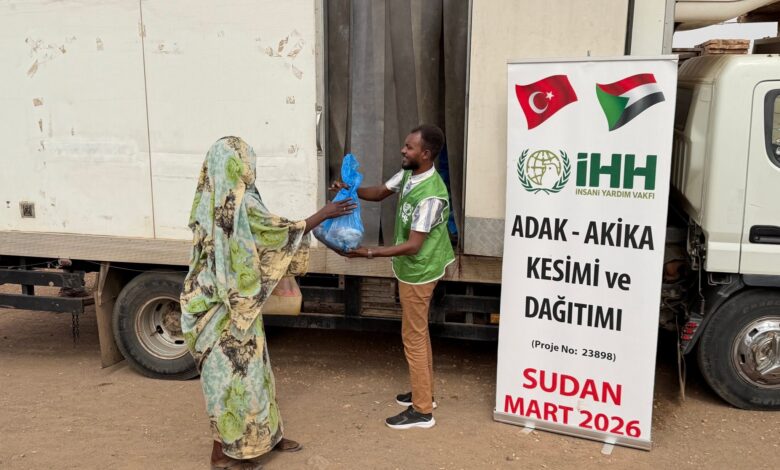
On the humanitarian front, Turkey announced the delivery of aid shipments containing food, medicines, medical supplies, and shelter materials. Turkish vessels carrying thousands of tons of humanitarian assistance also arrived at Port Sudan, in what Ankara described as a response to civilian suffering.
Humanitarian engagement is one dimension of a relationship that also encompasses defense cooperation and military technology transfers. This aspect carries particular significance in a country embroiled in open warfare, where the warring parties depend on continued access to weapons and technical support.
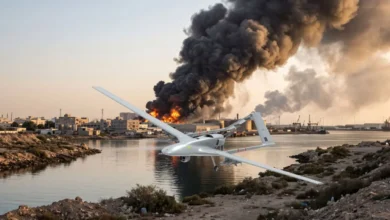
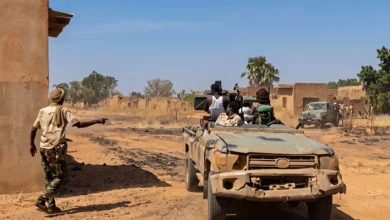
In this context, an investigation published in March 2025 by The Washington Post revealed alleged documents and correspondence indicating the involvement of Turkish defense manufacturer Baykar in an arms and drone transaction benefiting the Sudanese army. The investigation estimated the value of the military equipment delivered at no less than $120 million, reportedly including Bayraktar TB2 drones and ammunition.
These revelations are particularly significant because they place Turkey’s potential influence within the broader balance of power in Sudan’s war. The investigation also reported the presence of Turkish company personnel during the transaction and presented documentary material that it said supported its findings.
The Turkish Embassy in Washington, meanwhile, denied that Turkey had provided military assistance to either side, maintaining that Ankara had refrained from doing so since the beginning of the conflict. The discrepancy between Turkey’s official position and the newspaper’s findings raises questions about the transparency of military cooperation and the need for official clarification regarding the transactions and their beneficiaries.
Could humanitarian assistance become political leverage for al-Burhan?
The principal concern surrounding foreign assistance is the potential exploitation of humanitarian and economic relationships to establish long-term political influence in a country experiencing institutional collapse and a diminished capacity for independent decision-making.
The authorities led by al-Burhan require foreign support on several levels. Such assistance could help them confront military adversaries, strengthen their diplomatic presence, and consolidate their position as Sudan’s representatives in international forums. Relations with Turkey could consequently provide an important political, economic, and military avenue of support.
The importance of this assistance grows amid the challenges facing the Sudanese authorities, including economic collapse, declining public revenues, damaged infrastructure, and the disruption of major production and commercial sectors. Foreign partnerships providing equipment, funding, or technical expertise could therefore strengthen the military establishment’s ability to sustain its operations.
This situation raises a fundamental question: does foreign assistance help Sudan restore stability, or does it provide armed parties with additional resources that make them less willing to accept political concessions?
The continuation of the war is closely connected to the belligerents’ ability to obtain the resources necessary to sustain hostilities. Continued access to external military support can reduce pressure to pursue a ceasefire, particularly when one party believes it can strengthen its position ahead of negotiations.
From this perspective, foreign military support for the Sudanese army or any other party raises questions about its potential contribution to prolonging the conflict, even when presented as an effort to protect state institutions or strengthen their defensive capabilities.
The delivery of food and medicine to civilians remains essential. The priority is to preserve the independence of humanitarian operations and establish clear boundaries between relief efforts and military or political cooperation that could fuel the war.
The contradictions between peace rhetoric and ambitions for influence
Turkey regularly expresses its support for Sudan’s unity and sovereignty and calls for an end to the war through dialogue. It also maintains that its assistance is intended to alleviate civilian suffering. The implications of its foreign policy must ultimately be assessed through the tangible consequences of its decisions and activities.
Ankara seeks to maintain its image as a mediator capable of communicating with different parties while cultivating close relations with the Sudanese military establishment involved in the war. This overlap between the roles of mediator and partner raises questions about Turkey’s ability to act impartially in any future settlement.
A country with political, economic, and military interests tied to one of the warring parties may struggle to persuade the other side of its independence. Even sincere diplomatic initiatives may face skepticism because of previously established relationships and future strategic interests.
A 2025 report by the European Parliamentary Research Service indicated that Turkey and Iran were supporting the Sudanese army, particularly through drone supplies, as part of their efforts to expand their influence over major Red Sea shipping routes. This assessment links military cooperation to broader regional strategic calculations.
The issue therefore concerns Sudan’s position within the wider competition for maritime corridors, natural resources, ports, and geopolitical influence in the Horn of Africa.
Civilians pay the price of external strategic calculations
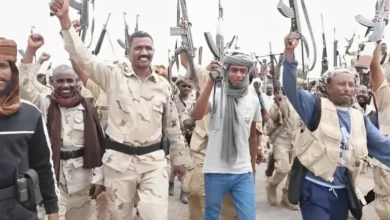
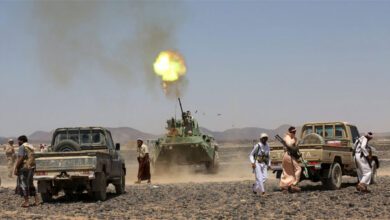
Sudanese civilians remain the most vulnerable in this equation. After years of conflict, millions of people are enduring displacement, hunger, and the collapse of healthcare and educational services, while extensive areas of the country have become theaters of armed confrontation.
Reports from the United Nations and international organizations point to an alarming increase in humanitarian needs amid continued displacement, infrastructure destruction, and difficulties delivering assistance to affected communities.
Under these circumstances, the overriding priorities are stopping the flow of weapons, ensuring unhindered humanitarian access, and protecting civilians from attacks and violations, while preventing Sudan from becoming an arena for military technology experimentation and expanding regional rivalries.
Humanitarian assistance must be accompanied by political pressure to end hostilities. Images of vessels carrying food supplies should never serve as cover for activities that could strengthen the combat capabilities of warring parties.
It is equally important to ensure that humanitarian assistance remains independent of political considerations and reaches those in need across Sudan, without being instrumentalized to reinforce the legitimacy of military authorities or secure local allegiances.
Ankara faces a test of responsibility
Turkey faces a significant strategic choice in Sudan, between a policy aimed at rapidly expanding its influence through military partnerships and a more sustainable approach centered on supporting an inclusive political process that prevents any armed faction from monopolizing the country’s future.
The gains Ankara could obtain by strengthening its relationship with al-Burhan may prove temporary, particularly if the war ends through a political settlement that redistributes power and reshapes state institutions. Should Turkey remain closely associated with the military trajectory, it could become part of the challenges confronting Sudan in the postwar period.
Relying on the military establishment as the principal avenue for influence in Sudan also risks overlooking the diversity of Sudanese society, its interests, and its constituent communities. The future of the country’s international relationships will also depend on how Sudanese citizens perceive the foreign powers that intervened in their conflict.
Restoring stability in Sudan requires an end to hostilities, the establishment of civilian institutions capable of governing the country, and the launch of a political process free from external dictates.
Ultimately, Turkish assistance to Sudan confronts Ankara with an unavoidable question: does Turkey genuinely seek to help rescue a country exhausted by war, or does preserving its political and military influence place it closer to the dynamics of conflict than those of peace?