Century-old homes and $4,500 rents: Inside the barracks housing Trump’s cabinet officials
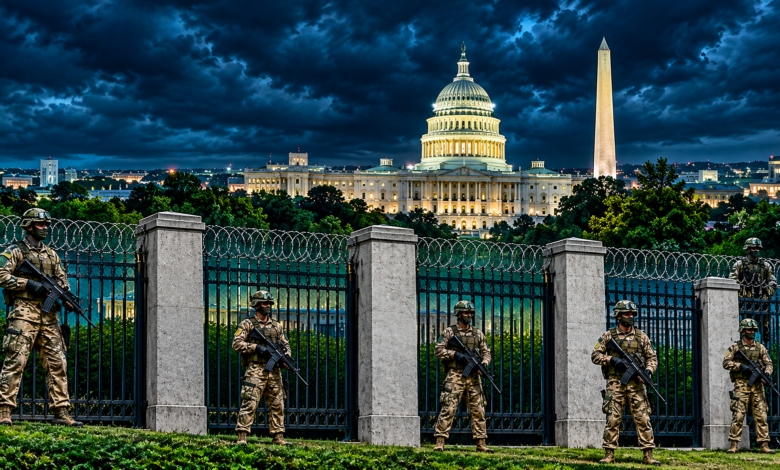
Amid mounting security concerns, five senior officials in President Donald Trump’s administration have moved into secured military residential complexes in Washington.
Behind the security barriers and guarded entrances of the US capital stand military residences, some of which date back more than a century.
Originally intended to accommodate senior military officers, these properties have become home to several prominent Trump administration officials, with monthly rents exceeding $4,500, according to CNN.
What do the residences look like?
They are historic military homes, some built more than 100 years ago, with access to their surroundings subject to stringent security measures.
Where are they located?
The principal residences are situated within secured military installations in Washington, including Fort McNair.
These residential complexes offer communal amenities and accommodate senior US administration officials.
How much does accommodation cost?
According to CNN, monthly rents for these military residences generally exceed $4,500, depending on the characteristics of the property.
Historical precedents
Former US Defense Secretary Robert Gates previously occupied a spacious nineteenth-century military residence, for which he paid more than $6,500 per month.
Comfort without luxury
Despite the generous dimensions of some properties, living in these residences does not necessarily mean enjoying luxurious amenities.
CNN quoted a former defense official who had lived in military housing in Washington as saying that some residences were spacious but lacked luxury altogether. He described them as older homes that remained habitable and served their intended purpose.
These characteristics reflect the original purpose of the properties, which were designed to accommodate senior military personnel.
Why have officials relocated?
The relocations have been driven by growing security concerns amid the US–Iran war.
CNN reported earlier this month that Iran was allegedly developing plans to target senior US officials in Washington, potentially involving unconventional weapons.
Future expectations
Experts believe that the trend toward housing senior government officials in secured military complexes could continue under future administrations, whether Republican or Democratic.
Commenting on declining crime rates in the capital, a White House official said that “although many administration members are unable to live within the city because of security threats directed against them, they have personally contributed to the administration’s efforts to make the capital safe and beautiful.”
Concerns over housing arrangements
These residential arrangements have raised questions among some Democratic lawmakers.
The Pentagon is required to submit a report to the House Armed Services Committee by the spring, detailing the accommodation of political appointees in military housing. The report must address the nature of the threats that prompted their relocation, the legal basis for such arrangements, and rental costs.
California Representative George Whitesides, who secured the committee’s approval for the report, stressed the importance of examining “the accommodation of political appointees in housing designated for military personnel, to ensure they are paying fair, market-rate rent.”
Prominent Trump administration officials living in military housing
Treasury Secretary Scott Bessent
Scott Bessent is the latest administration official to move into secured military housing, having recently left his luxury property in Georgetown.
During an appearance on CNBC earlier this month, Bessent explained that Iranian threats against his life had prompted the relocation.
The Treasury secretary has led an economic pressure campaign against Iran involving extensive sanctions.
“To hell with the Iranian leadership. I will not allow them to intimidate me. They have made death threats against me and other members of the administration, but we will not give in to intimidation,” he said.
Attorney General Todd Blanche
Sources reported that Attorney General Todd Blanche recently moved into military housing because of concerns for his personal safety. His predecessor, Pam Bondi, also lived on a military installation last year.
While some officials have relocated in response to external threats, others have expressed concerns about domestic political violence, particularly following the assassination of conservative activist Charlie Kirk and an increase in other serious threats directed against them.
Stephen Miller, senior White House official
Stephen Miller and his wife, Katie, moved from their Virginia residence into military housing last year following incidents involving harassment and the disclosure of their personal information.
A White House official said that “the Miller family relocated after being subjected to an organized and well-documented campaign of stalking, doxxing, and threats targeting their home.”
Defense Secretary Pete Hegseth
Defense Secretary Pete Hegseth faced considerable criticism last year after lawmakers discovered that the military was preparing to spend $137,297 on repairs and renovations to his military residence.
Officials are required to cover their housing costs, which generally exceed $4,500 per month, depending on the property.
Secretary of State Marco Rubio
The U.S. Secretary of state also lives in a secured military residential complex.
During a podcast earlier this year, Rubio and his wife recounted an amusing incident in which one of their Goldendoodle dogs accidentally entered the Hegseth family’s home.
Rubio also described regular visits from one of Pete Hegseth’s cats, joking about the animal’s apparent habit of treating his porch as its own territory.