January’s final deadline: Iran faces a last chance for a settlement as the US threatens renewed strikes
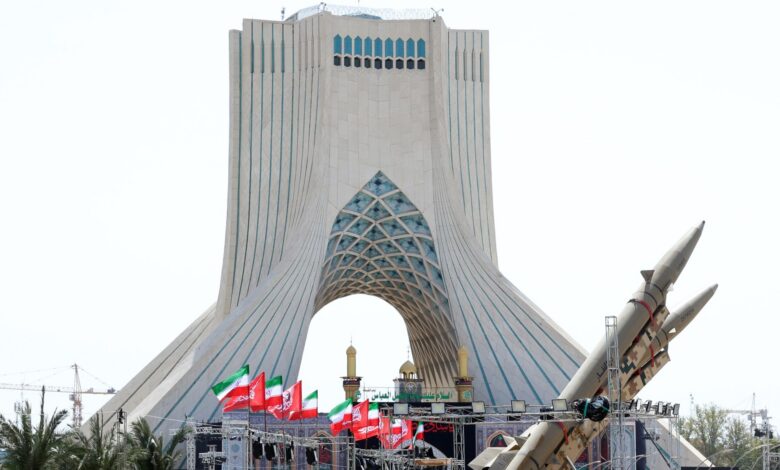
Regional and international attention is once again turning toward escalating tensions between Washington and Tehran, as the United States delivers messages combining diplomatic overtures with threats of decisive military action.
These developments coincide with the approaching deadline set by US President Donald Trump for the beginning of the new year. Trump has publicly questioned Iranian decision-makers’ ability to seize the opportunity, accusing Tehran’s negotiators of resorting to delaying tactics.
As the White House reiterates its willingness to grant Iran’s leadership a final opportunity to reach an agreement that would end months of confrontation and spare the region further losses, questions remain over the true significance of these statements. Do they reflect a genuine determination to secure a comprehensive settlement, or are they intended to provide political cover for a potential resumption of military operations against Iran’s strategic infrastructure?
US demands extend beyond the nuclear agreement
A well-informed American source said that the Trump administration views the ongoing negotiations as a final opportunity to redefine the strategic balance in the Middle East and establish new security arrangements aimed at limiting Iran’s ability to threaten US interests and those of its allies.
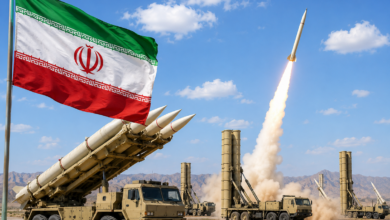
The source explained that Washington had informed mediators in Doha and Islamabad that any acceptable settlement would have to include the effective dismantling of Iran’s advanced uranium enrichment capabilities, the surrender of its remaining stockpiles of highly enriched uranium under strict international supervision, binding restrictions on the development of long-range ballistic missiles, and an end to its support for armed factions across the region.
The source added that the White House believes the prevailing military and economic balance gives Washington considerable negotiating leverage, allowing it to maintain these demands without making substantial concessions. Easing pressure before securing tangible measures from Iran could, in the administration’s assessment, undermine the gains achieved over recent months.
The source said Washington’s current flexibility is limited to the possibility of gradually and conditionally releasing some frozen Iranian assets and considering an easing of certain maritime restrictions. In return, Tehran would be required to take immediate measures, beginning with guaranteeing freedom of navigation through the Strait of Hormuz and halting attacks carried out by its allied factions in the region.
The source emphasized that the deadline extending to early January represents a decisive timeframe, warning that continued Iranian delaying tactics could prompt Washington to resume military operations against the country’s strategic capabilities.
Figures reveal the mounting pressure on Tehran
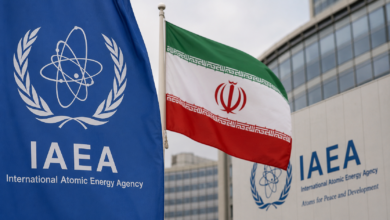
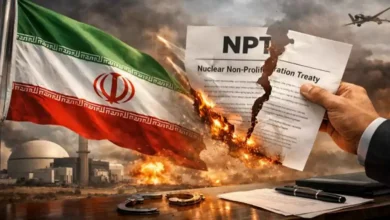
Nuclear indicators constitute one of the most complex aspects of the negotiations. A report prepared by the International Atomic Energy Agency (IAEA) in November indicated that the agency could no longer determine the current size or location of Iran’s uranium stockpiles because inspectors continue to face restrictions on access to damaged facilities and enrichment sites.
The latest detailed figures available for verification, dating back to June 2025, indicated that Iran possessed substantial quantities of highly enriched uranium. The agency has stressed, however, that those estimates do not necessarily reflect the current situation. Any new agreement would therefore also have to address the difficulties surrounding verification of Iran’s nuclear material inventories.
On the economic and maritime fronts, figures reported by Seatrade Maritime, drawing on a report by United Against Nuclear Iran (UANI), indicate that Iranian oil exports fell to approximately 15,800 barrels per day in October, compared with nearly 50,800 barrels per day in September. Shipments destined for China reportedly ceased during both months.
In the Strait of Hormuz, the Joint Maritime Information Center recorded attacks against 17 tankers since the beginning of November. Maritime tracking data also indicated a sharp contraction in commercial shipping traffic in recent days.
US-assisted transits have likewise declined, highlighting persistent disruptions to navigation and rising risks to maritime trade.
Tehran insists on prior guarantees
Iranian leaders, meanwhile, are approaching the American proposals cautiously. Statements issued by Iran’s Foreign Ministry indicate that Tehran is reviewing proposals conveyed by Qatari and Pakistani mediators while maintaining its refusal to engage in direct negotiations under the threat of military action and a naval blockade.
Tehran is demanding prior security and economic guarantees, including the lifting of restrictions on its oil exports, the release of frozen assets, and an end to Israeli military operations across regional fronts.
Iran also rejects linking any settlement to extensive restrictions on its ballistic missile program or regional influence. Iranian authorities argue that accepting such demands would entail relinquishing strategic leverage extending well beyond the nuclear issue.
Trump uses negotiations to consolidate the balance of power
American political analyst Steven Miller said President Donald Trump’s rhetoric about granting Iran a final opportunity reflects his negotiating doctrine of pursuing peace through a demonstration of strength.
In Miller’s view, Trump is seeking to place political and moral responsibility for any breakdown in diplomacy on Tehran, thereby strengthening Washington’s position among its European allies and regional partners should the administration decide to resume military operations.
Miller explained that Trump recognizes that neither China nor Russia appears willing to intervene militarily to rescue Iran. Their principal concern is preventing the conflict from expanding and disrupting global energy markets and international trade.
This position, he added, gives Washington greater room to maintain pressure on Tehran while limiting the likelihood of a confrontation with a major international power.
Miller also noted that the US administration is simultaneously strengthening its military preparedness and defense industrial capabilities. In his assessment, these efforts demonstrate that the military option remains a genuine possibility.
He argued that Iran’s dilemma stems from the fact that concessions concerning its ballistic missile program and regional influence networks could undermine the regime’s internal cohesion and strategic standing. Rejecting American demands, however, could expose Iran to renewed military confrontation and further economic deterioration.
Should mediation efforts fail, Miller considers it likely that Washington could tighten its naval blockade alongside a potential resumption of military operations early in the new year.
Mediators face a last-minute test
Regional mediators are continuing their diplomatic efforts to narrow the gap between American demands and Iranian reservations. These efforts come amid growing fears that a new military incident in the Strait of Hormuz or an Iranian attempt to break the naval blockade could trigger an open regional confrontation, threatening energy supplies and regional stability.
Ahmed al-Anani, an international relations expert, believes the current situation reflects an intense battle of political resolve in which Washington is seeking to translate its military superiority and economic pressure into comprehensive political gains, establishing a new regional balance that limits Iran’s influence.
Al-Anani explained that the Trump administration no longer considers resolving the nuclear issue alone sufficient to guarantee the security of its allies. It therefore insists on linking any settlement to a reduction in Iran’s ballistic missile capabilities and the dismantling of its cross-border influence networks, capitalizing on the weakening of Tehran and its allies over recent months.
Al-Anani warned that the time available for diplomacy is shrinking by the day. The success of mediation efforts will depend on Tehran’s willingness to make meaningful concessions in exchange for preserving the regime’s stability and alleviating economic pressure.
He emphasized that both sides’ adherence to their current positions could make reaching a comprehensive settlement extremely difficult.
According to the expert, the expiration of the American deadline without a tangible diplomatic breakthrough could prompt Washington to shift from negotiating pressure toward a new phase of military escalation aimed at compelling Tehran to return to negotiations on American terms.