How Much Whole Grain Should You Eat to Reduce the Risk of Cardiovascular Disease?
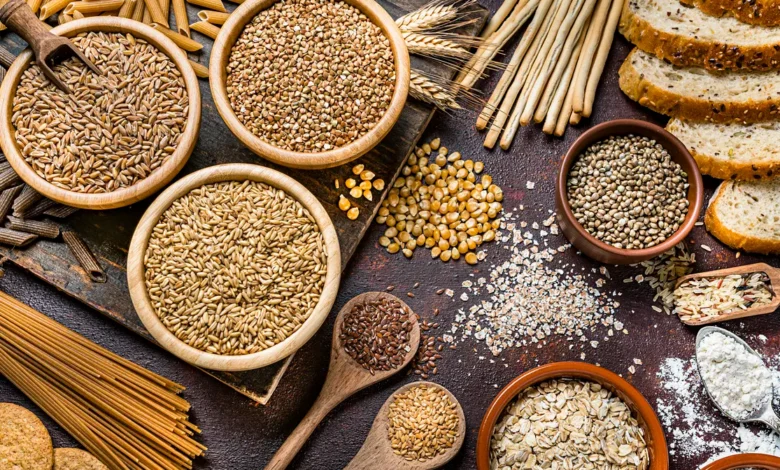
Whole grains are an important part of a heart-healthy diet. Unlike refined grains, they retain all parts of the grain, including the bran and germ. This means they provide more dietary fiber, vitamins, minerals and a range of other beneficial plant compounds. Regular consumption of whole grains has been associated with better heart health and a lower risk of certain cardiovascular conditions.
But one question often comes up: how much whole grain do you actually need to eat to benefit from these effects?
Regular consumption matters more than eating large amounts
There is no single portion size that works for everyone. Nutritional needs vary depending on age, physical activity, energy requirements and the overall quality of a person’s diet.
For many adults, aiming for around three servings of whole grains a day can be a reasonable goal as part of a balanced diet. Depending on the food, one serving could be a slice of whole-grain bread, a small serving of cooked whole grains or a similar amount of another whole-grain product.
The goal is not to eat large amounts of bread, rice or pasta. Instead, it is about gradually replacing refined products with whole-grain alternatives.
Why are whole grains good for the heart?
One of the main benefits of whole grains is their high fiber content. Dietary fiber can help improve the blood lipid profile, including by contributing to lower levels of LDL cholesterol, often referred to as “bad” cholesterol. High LDL cholesterol is one of the factors associated with the development of atherosclerosis and cardiovascular disease.
Fiber may also help regulate blood sugar levels after meals. This can be particularly useful when whole grains replace highly refined grain products that contain relatively little fiber.
Whole grains also provide magnesium, potassium, B vitamins and a variety of antioxidant and other plant compounds. Together, these nutrients support normal metabolism and contribute to the healthy functioning of blood vessels and the cardiovascular system.
The benefits depend on the overall diet
It would be misleading, however, to think that whole grains alone can prevent heart disease. Their potential benefits are greatest when they are part of an overall balanced eating pattern.
For example, regularly replacing white bread with whole-grain bread, white rice with brown rice or refined pasta with whole-wheat pasta can improve the nutritional quality of meals. These choices can be even more beneficial when combined with vegetables, fruits, legumes, nuts, seeds, fish and sources of unsaturated fats.
At the same time, a product labeled “whole grain” may still contain significant amounts of salt, added sugar or saturated fat. That is why it is important to check the nutritional information and ingredients rather than relying solely on the packaging.
Which whole-grain foods should you choose?
There are plenty of options. Whole-grain or wholemeal bread, oats, brown rice, barley, rye, bulgur, quinoa and whole-wheat pasta can all help increase your intake of whole grains.
At breakfast, oatmeal can be combined with plain yogurt, fresh fruit and a handful of nuts. At lunch or dinner, brown rice, bulgur or barley can gradually replace white rice or other refined grains.
Eating a variety of whole-grain foods can also provide different types of fiber and a wider range of nutrients.
Pay attention to portion sizes
Choosing whole grains does not mean that you need to significantly increase the total amount of carbohydrates you eat. Portion sizes should still match your individual energy needs.
Someone who is not very physically active does not necessarily have the same nutritional requirements as an athlete or a person with a high level of daily physical activity. Similarly, people with certain metabolic conditions may need to adjust the amount and distribution of carbohydrates in their diet with guidance from a healthcare professional.
The main goal, therefore, should be to improve the quality of the grains you eat rather than simply trying to consume as much as possible.
Whole grains and weight management
The fiber found in whole grains may also help with feelings of fullness. High-fiber foods tend to be more filling and may help reduce excessive food intake when they are part of a balanced diet.
Maintaining a healthy body weight is itself an important part of cardiovascular disease prevention. Overweight and obesity can be associated with several cardiovascular risk factors, including high blood pressure, impaired glucose metabolism and unhealthy cholesterol levels.
However, whole grains should not be viewed as “weight-loss foods” on their own. The total amount consumed and the overall balance of the diet remain important.
A simple change that can last
People who mainly eat refined grains do not need to completely change their diet overnight. A gradual transition may be easier to maintain over time.
One approach is to replace one daily serving of refined grains with a whole-grain option and then gradually increase the frequency. This can also make it easier to get used to the different texture and flavor of whole-grain foods.
It is also important to drink enough water when significantly increasing fiber intake, particularly for people who are not used to eating many high-fiber foods.
In the end, aiming for around three servings of whole grains a day can be a useful guideline for many adults, but it should not be considered a universal prescription. The main cardiovascular benefit comes from replacing refined grains with whole grains and making them part of a diet rich in plant foods, fiber and minimally processed foods.
Whole grains can therefore be a simple part of a broader approach to protecting heart health, alongside regular physical activity, good blood pressure control, avoiding tobacco and maintaining an overall balanced diet.