Russia reshuffles its command structure in Ukraine: a new commander for drone forces
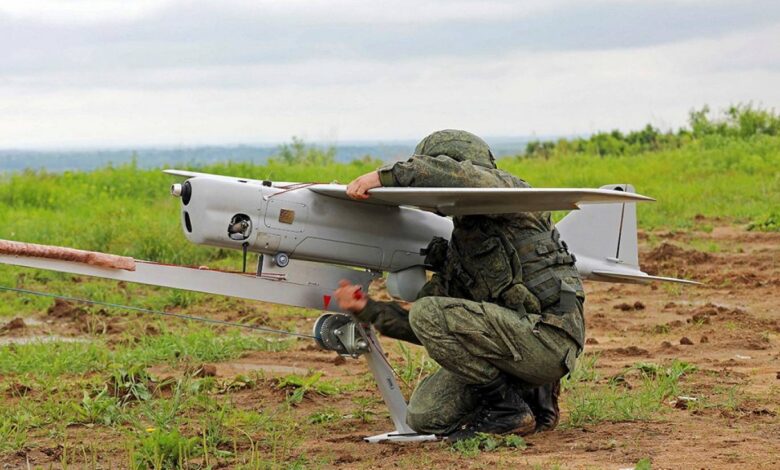
Russia’s decision to appoint a new commander for its unmanned systems forces reflects a strategic effort to strengthen the role of this branch, which the war in Ukraine has established as one of the most decisive tools on modern battlefields.
-
One Ukrainian interception against 27 Russian missiles: Zelensky admits a shortfall and asks for additional support
-
FREYJA: Europe Unites to Develop a Patriot Alternative and Counter Russia’s Missile Superiority
According to Reuters, Russian President Vladimir Putin on Wednesday appointed Denis Lyamin as commander of Russia’s unmanned systems forces, a newly created military branch responsible for overseeing operations related to drone warfare.
Lyamin previously served as chief of staff of the Russian Armed Forces’ Center Group.
Since the beginning of 2026, Ukraine has rapidly expanded its long-range strike campaign, with its drones targeting locations deep inside Russian territory, increasing their impact on both Russia’s military and industrial sectors.
Figures also indicate a growing intensity in Ukrainian attacks, as the drones deployed by Kyiv are placing increasing pressure on Russian air defenses. Moreover, these systems are evolving at a faster pace than Russia’s air-defense capabilities.
-
Russia Ushers in the Era of Unmanned Destroyers: The Submarine Killers
-
Ukraine Follows Russia’s Lead by Developing Drone Mother Ships: More Lethal Strikes Through Mobile Launch Platforms
Military reshuffle
According to the Russian state network RT, Putin has carried out a series of changes within the command structure of the forces involved in Russia’s military operation in Ukraine.
He appointed Valery Solodchuk as head of the logistics and supply directorate of the Russian Ministry of Defense.
Putin praised the effectiveness of the Center Group participating in the military operation, describing it as “one of the most important units responsible for liberating the Donetsk Republic, which has joined Russia.”
He also appointed Andrei Ivanayev to command the Center forces, expressing full confidence in his ability to carry out the assigned missions.
-
Ukraine Strikes Deep Inside Russia: Fatalities Near Moscow and Major Attack Foiled
-
Kyiv Under Russian Fire: Drone and Missile Strikes
In addition, Pyotr Bulgarev, chief of staff of the East forces, was appointed acting commander of the group, replacing the previous commander.
Putin commended the pace of progress achieved by the East Group in the area of military operations, describing it as “the highest-performing formation” and emphasizing that it operates “actively and dynamically” along the front lines.
The Russian president also asked military commanders to provide their personal assessments of the current situation along the line of contact, stressing the importance of direct field analysis in shaping future military plans.
-
Russia’s Shadow Fleet: An Intelligence Arm Challenging NATO
-
Deep-Strike Campaign Expands: Dual Russian Attack Sets the Heart of Kyiv Ablaze
-
New Round of the Night Drone War: Russia Intercepts 419 Ukrainian Drones
-
Zelensky’s Prediction: Ukrainian Air Defenses Repel a Russian Missile Attack