Iran’s Kharg Island: Carter’s Lesson That Continues to Haunt Trump
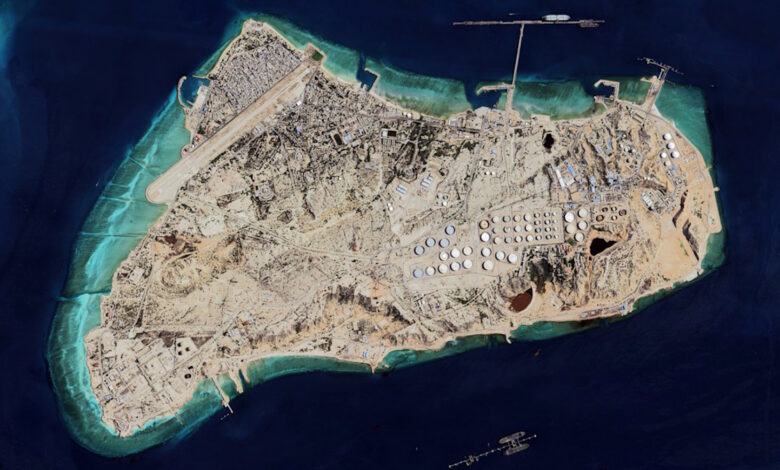
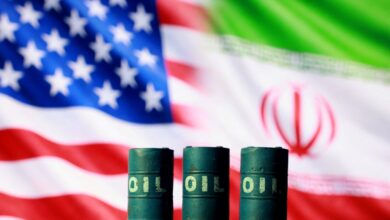
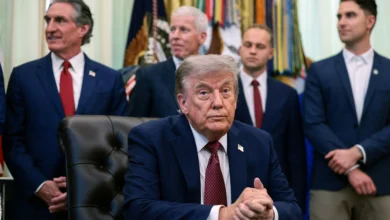
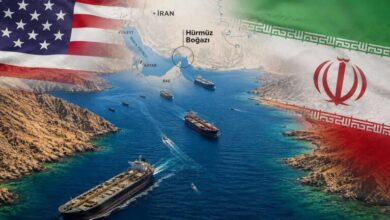
As U.S. President Donald Trump once again raises the possibility of seizing Iran’s Kharg Island as a means of pressuring Tehran, the island has returned to the center of strategic debate in Washington.
-
Occupying Iran’s Kharg Island would be like stepping into a minefield
-
The most powerful strike hits Iran’s crown jewel: what do we know about Kharg Island?
Although today’s political circumstances differ from those surrounding the 1979 U.S. hostage crisis, history shows that the very same idea was presented more than four decades ago to former President Jimmy Carter. Despite facing enormous political pressure, Carter rejected the proposal, believing that any military adventure would be more likely to trigger a broader regional war than achieve its intended objectives.
Kharg Island holds exceptional strategic importance because it serves as the primary export terminal through which most Iranian oil exports pass, making it an attractive target for any strategy aimed at crippling Iran’s economy, according to Responsible Statecraft.
However, national security experts argue that the island’s strategic value does not necessarily mean that controlling it would provide Washington with a political or military advantage. Instead, it could quickly become a difficult military burden to defend.
-
The Battle of Kharg: U.S. plans are ready and Iran responds with mines
-
Military escalation threatens Kharg, Iran’s oil lifeline
Intense Domestic Pressure
During the hostage crisis, which began after the seizure of the U.S. Embassy in Tehran and the detention of 63 American diplomats, Jimmy Carter faced unprecedented domestic political pressure.
His National Security Adviser, Zbigniew Brzezinski, urged him to launch a military operation that would include occupying Kharg Island and several nearby islands close to the Strait of Hormuz. The objective was to deprive Iran of its oil revenues, force the Iranian leadership to release the hostages, and create conditions that would weaken the newly established regime.
Carter rejected these proposals, arguing that the use of military force would produce the opposite effect by rallying Iranians behind their leadership—an assessment that subsequent events ultimately proved correct.
-
Continuous U.S. Strikes and Naval Blockade: A Week of Fire Against Iran
-
The Iranian regime under bombardment: weakened control, divisions, and fear
Despite mounting political pressure and declining public support, Carter remained committed to avoiding war. He approved only the rescue mission known as Operation Eagle Claw, which ended in a disastrous failure in the Iranian desert in 1980. The hostages were eventually released on the final day of his presidency through a diplomatic settlement.
Kharg Between Military Temptation and Battlefield Reality
Today, several former senior U.S. military officials have revived the idea of seizing Kharg Island as a means of increasing pressure on Iran.
Among them is former U.S. Central Command (CENTCOM) commander General Frank McKenzie, who believes that controlling Iranian territory could provide Washington with a powerful bargaining chip in future negotiations.
-
Bombing of heavy water… What do we know about Iran’s Arak?
-
Bahrain pushes for an international resolution authorizing the use of force in the Strait of Hormuz
Military and strategic experts, however, caution that successfully capturing the island does not guarantee the ability to hold it.
Located only a short distance from Iran’s coastline, Kharg would expose any deployed force to continuous missile attacks, drone strikes, and assaults by fast attack craft, potentially turning the island into a prolonged battlefield of attrition.
Researcher Dan Grazier argues that any amphibious assault would require extensive air and naval support, while U.S. forces would remain constantly vulnerable to attacks launched directly from Iranian territory.
-
Washington, caught in a war funding dilemma, considers a ground operation in Iran
-
Reinforcements and thousands of troops: the United States considers expanding its military deployment against Iran.
Former U.S. intelligence official Harrison Mann likewise maintains that deploying substantial military forces on an island adjacent to Iran would create ideal conditions for gradually exhausting American troops rather than strengthening Washington’s negotiating position, particularly given Tehran’s demonstrated willingness to endure prolonged military and economic pressure.
History Warns Against Misreading Iran
Despite repeated American threats to target Iranian facilities or seize Kharg Island, previous experience suggests that such actions are more likely to escalate tensions than produce meaningful strategic gains.
Many experts therefore argue that the most important lesson from Carter’s experience is that restraint, despite its political costs, is often far less costly than becoming involved in an open-ended military confrontation.
-
Trump mobilizes for a Hormuz alliance and broader international involvement in the war against Iran
-
Washington offers a large reward for information about Khamenei
In light of these considerations, Kharg Island represents far more than an oil terminal or a military objective. It has become a recurring test of Washington’s ability to balance the temptation of military power against the realities of strategic calculation.
As the events of 1979 demonstrated, seizing the island may appear to be a swift solution on paper. In practice, however, it could become the starting point of a much larger crisis—a lesson that history continues to offer every American administration considering repeating the same course of action.
-
Iranians offline: digital darkness swallows evacuation warnings
-
War-weary Iran: why did it choose the Strait of Hormuz as the arena for retaliation?