Strengthening Stability and Consolidating Peace: Abiy Ahmed Outlines the Vision of a New Ethiopia
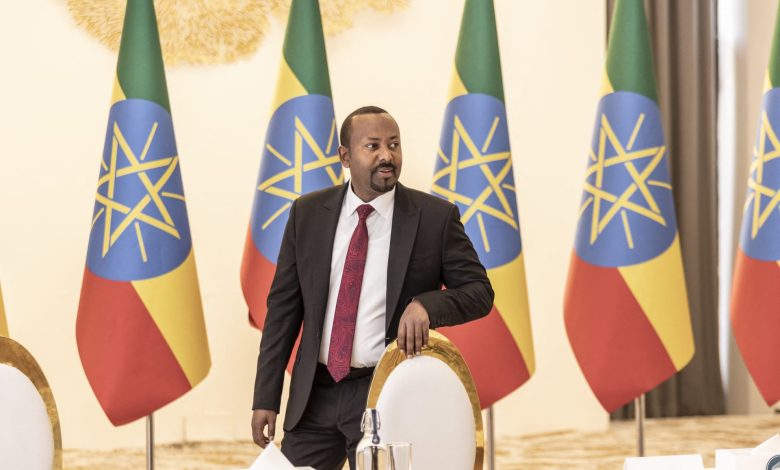
Praising the large turnout of voters at polling stations, Ethiopian Prime Minister Abiy Ahmed stated that the elections being held in his country represent an important political experience not only for Addis Ababa but for the entire East African region.
Speaking to reporters after casting his vote on Monday at a polling station in the town of Beshasha in the Oromia region, Abiy Ahmed said that the high level of participation reflects the political awareness of Ethiopian citizens and their commitment to the democratic process.
Voting began on Monday in Ethiopia’s seventh general election, in which more than 50 million registered voters are eligible to participate. Analysts expect the Prime Minister’s party to secure a decisive victory.
Abiy Ahmed said that the Ethiopian people “have demonstrated the maturity of their political experience and their belief in democracy through their massive turnout at the ballot boxes,” stressing that the next phase will require elected officials to shoulder their national responsibilities, meet citizens’ expectations, and compensate them for the challenges they have faced in recent years.
He added that Ethiopia has entered a new stage of national transformation, emphasizing that the country “is no longer the Ethiopia of yesterday” and that the coming years will require intensified efforts to continue the journey of nation-building, development, and stability.
Strengthening Democracy
The Ethiopian Prime Minister called on all political forces to respect the election results and deal with them in a democratic and responsible manner.
He stated that those who fail to win should accept the outcome in a spirit of sportsmanship and continue their political activities within legal and constitutional frameworks.
He affirmed that the next government “will continue working to build a strong state capable of fulfilling the aspirations of current and future generations,” adding: “We will no longer allow our generations to be forced to bow their heads before challenges. We will continue working to transform Ethiopia’s future and create a new chapter in the nation’s history.”
He further stated that Ethiopia’s electoral experience provides an opportunity to strengthen democratic practices and facilitate the exchange of political experience throughout the Horn of Africa region.
According to Abiy Ahmed, the past five years have demonstrated Ethiopia’s ability to achieve development and national renewal while simultaneously building its political and constitutional institutions.
He added that if entrusted by voters, the next government would continue implementing economic development programs aimed at meeting citizens’ expectations regarding growth, stability, and improved living standards.
The Choice of Peace and Rejection of Violence
Regarding the peace process, the Ethiopian Prime Minister stated that the Prosperity Party has made peace a central priority over the past several years and will continue pursuing this objective through various political and institutional mechanisms.
He emphasized that the government’s doors remain open to all parties willing to engage in peaceful political activity and reiterated his administration’s commitment to dialogue and political solutions.
He stated: “We believe in peace and remain committed to it. Our doors are open to everyone who chooses peaceful political engagement. However, forgiveness and tolerance should not be interpreted as weakness, and no one should believe that rebellion or violence can serve as a path to power.”
The Prime Minister revealed that Ethiopia faced multiple security challenges ahead of the elections, including attempts to undermine security and stability through the planting of explosive devices in certain areas.
He stated that security forces successfully located and removed hundreds of explosive devices before any incidents could occur.
According to Abiy Ahmed, targeting civilians and attempting to disrupt the democratic process constitutes unacceptable behavior that contradicts national and democratic values.
He further noted that certain parties, which he did not identify, had sought to cast doubt on Ethiopia’s ability to organize peaceful and orderly elections. Nevertheless, the country succeeded in overcoming these challenges thanks to the preparedness of its institutions and the cooperation of its citizens.