Secret Barter Mechanism Enabled Iran to Purchase Chinese Goods Despite Sanctions
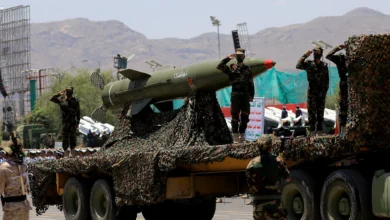
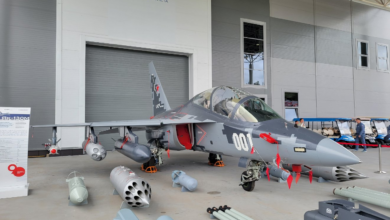
The Iranian government was able, through the secret trade mechanism, to purchase billions of dollars’ worth of goods from China, including military equipment such as air defense systems and communications equipment.
Iran used a barter-like arrangement to circumvent sanctions imposed on its oil sales and purchase billions of dollars’ worth of goods from China, including military equipment, according to two senior Iranian sources and three other people familiar with the matter.
-
Russia and China back Iran’s new leader as Washington and Tel Aviv issue threats
-
Could the confrontation between Iran and the United States turn into a war of attrition benefiting China and Russia?
The sources, who requested anonymity, said the secret trading mechanism, which enabled Iranian oil to be exchanged for credits earmarked to finance Chinese imports, had provided Tehran with a financial lifeline in recent years, as the United States stepped up economic and military pressure on Iran over its nuclear program.
They added that the mechanism had also enabled China, the world’s largest importer of crude oil, to continue purchasing Iranian oil at discounted prices, while shielding banks and companies exporting goods to the Islamic Republic from international scrutiny or sanctions.
The United States has imposed sanctions on some smaller Chinese entities that purchase Iranian oil or facilitate its transportation, but has refrained from taking the harshest punitive measures, which could have repercussions for the global economy.
-
A challenge in African waters: China, Russia and Iran launch naval drills
-
Mike Pompeo: Should China arm and finance Iran, it would destabilize the Middle East
Washington has intensified its pressure as part of its efforts to end the war with Iran and reopen the Strait of Hormuz. In August, U.S. Treasury Secretary Scott Bessent warned countries against continuing their trade relations with Iran, saying they could risk being excluded from the dollar-based financial system.
China and Iran have repeatedly condemned what they regard as unilateral and illegal Western sanctions and have pledged to protect their interests. The two countries have maintained a longstanding economic and political partnership, but they have publicly disclosed little about how trade between them continues to flow despite international restrictions.
All the sources said Iran had used the arrangement to purchase medicines, vehicles, and communications equipment from China. The manufacturers did not deal directly with Iran, and there was no indication that they had violated sanctions.
-
Iran Threatens to Accelerate Nuclear Program After Referral to UN Security Council
-
Iran Threatens to Accelerate Nuclear Program After Referral to UN Security Council
They said the mechanism had been used at least once during the past year in contracts to supply Iran with air defense equipment worth millions of dollars.
In September 2025, the United Nations ban on the export to Iran of most major conventional weapons was reimposed, along with other sanctions, after the United States withdrew from the 2015 nuclear agreement between Iran and the world powers during President Donald Trump’s first term, and Tehran subsequently stopped complying with some of its provisions.
Iran and China said the European countries’ move to automatically reimpose sanctions through the “snapback” mechanism was “legally and procedurally flawed.”
Commenting on the information, China’s Foreign Ministry said it was not “aware of the situation you are referring to.”
-
China’s Area 51 Expands: Giant Hangars to Accommodate Fleets of Next-Generation Aircraft
-
Washington launches an Economic Doomsday against Iran
It added: “China has always opposed unilateral sanctions that are not based on international law and have not been authorized by the United Nations Security Council.”
In response to questions sent to the White House, a U.S. official said the Trump administration was working with economic partners, including the European Union, “to deny Iran the material resources needed to pursue its nuclear ambitions.”
Decades of U.S. sanctions have reduced the number of buyers of Iranian oil. China is the main purchaser, accounting for more than 80 percent of Iran’s seaborne oil exports in 2025, equivalent to an average of 1.4 million barrels per day, according to Kpler, a company specializing in commodity data and analytics.
-
Washington Signals a New Package of Measures to Squeeze the Iranian Economy
-
Waiting for Trump’s Electoral Weakening: A Strategic Iranian Plan or a Fatal Mistake?
In 2021, the two countries signed a 25-year strategic partnership agreement covering sectors including energy and infrastructure, but publicly disclosed details about the agreement remain limited.
Three of the sources said the arrangement was one of the mechanisms Iran used to purchase goods and services from China without making payments directly to Chinese companies through international banking channels.
A Western official and two other people familiar with the matter said that a buyer acting on behalf of Zhuhai Zhenrong, a state-owned Chinese oil trading company, had been depositing hundreds of millions of dollars each month, at least until this year, with a relatively obscure Chinese financial entity known as Chouxin.
-
U.S. Report: Five Flashpoints That Could Turn the Iran War into an International Conflict
-
Trump Threatens Iran with Broader Strikes as Beijing and Islamabad Open the Door to Negotiations
The sources said, based on information gathered by intelligence agencies, that these deposits covered purchases agreed upon with a Hong Kong-registered company linked to the National Iranian Oil Company.
They added that the Chouxin entity would then transfer the funds to Chinese exporting companies and companies carrying out infrastructure projects in Iran, most likely through other Chinese financial institutions.
The three sources said around 70 percent of the Iranian oil revenues handled by the Chouxin entity was allocated to infrastructure projects, an arrangement whose details were first disclosed by The Wall Street Journal last October. The remaining funds were deposited into accounts belonging to a special-purpose entity used to settle amounts owed to companies supplying goods to Iran.
-
WarGames: The Film That Shook the Pentagon and Forever Changed America’s Nuclear Doctrine
-
Air Warfare: Israel Accelerates the Development of the Arrow 4 and Arrow 5 Missile Defense Systems
The two Iranian sources, who are close to the country’s decision-making circles, confirmed the existence of this special-purpose entity, which had not previously been disclosed.
All five sources said the funds deposited with this entity were managed by two parties: a company acting on behalf of China’s Ministry of Commerce and another entity linked to Iran’s central bank.
Three of the sources added that the Iran-linked company notified the Chinese entity when the Central Bank of Iran approved the release of funds from the special-purpose entity to importers, allowing payments to be transferred to suppliers.
One of the sources said Chouxin might simply be a name appearing in financial records.
Corporate records in Hong Kong show the existence of companies bearing the same names as those reportedly operating on behalf of the National Iranian Oil Company and Zhuhai Zhenrong.
-
Mojtaba Khamenei and His Father’s Funeral: The Reasons Behind His Absence
-
Iran Unveils a Joint Mechanism with Oman to Manage the Strait of Hormuz
Zhuhai Zhenrong has been the target of U.S. sanctions over alleged dealings with Iran. One source shared what appeared to be a letter dated July 22, 2025, from the National Iranian Oil Company to the Chinese oil trading company requesting confirmation of an outstanding balance. The source said this constituted evidence of a commercial relationship between the two parties.
Three sources said the mechanism described by the sources had been in place since at least 2021 and was initially used to supply Iran with medicines and COVID-19 vaccines.
They added that as Washington intensified pressure on companies conducting business with Iran, the mechanism had become increasingly important to trade. They estimated that between $2 billion and $2.5 billion had passed through the special-purpose entity over the past year.
-
U.S.-Iran Agreement: Broad International Welcome and Focus on Hormuz and the Nuclear Issue
-
Ahead of Xi’s Visit, Kim Strengthens Naval Nuclear Deterrence and Secret Weapons
Andrea Ghiselli, a lecturer in international politics at the University of Exeter who specializes in studying Beijing’s relations with the Middle East, said China uses such arrangements to push back against the United States and demonstrate that it does not yield to threats of secondary sanctions.
However, he said Chinese leaders do not want the country’s banks or companies to be excluded from the international financial system, adding: “They want enough room to maintain plausible deniability.”
-
United States and Russia… Deterrence missiles shake the bridges of nuclear understanding
-
Lessons from Hormuz: why Iran must not be allowed to continue threatening the strait
-
Iran Uses the Truce to Rebuild and Reinforce Its Military Arsenal