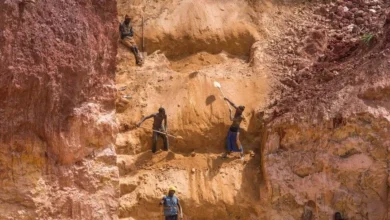
The Regional Fallout from Egyptian Air Strikes and Sudan’s Artisanal Mining Crisis
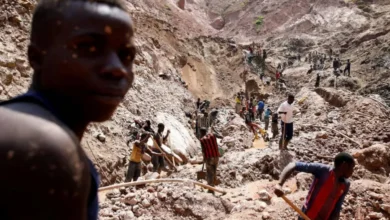
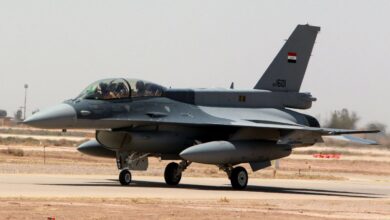
Egyptian F-16s Bomb Sudanese Gold Miners with 400-Kilogram Bombs
Faced with mounting, evidence-backed allegations from human rights organisations and the international press, Egyptian authorities and military bodies have sought to present their own account and security justifications for the extensive military operations and movements conducted by the armed forces along the southern border shared with Sudan and across the surrounding border areas.
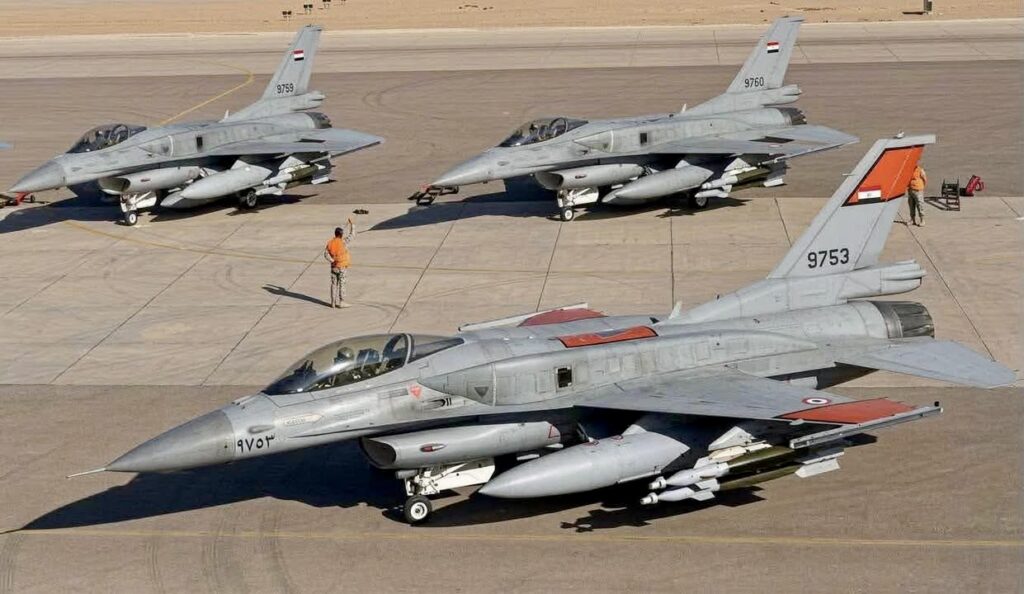
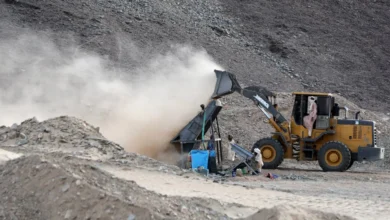
Although Cairo has issued no official statement directly addressing the bombing of the al-Aqidat mine by name, Egyptian border guards and the armed forces spokesman announced, at the same time, the launch of a “large-scale, comprehensive security and military campaign”. Its primary stated objectives are to combat illegal gold mining and prospecting, firmly confront organised criminal smuggling networks operating in rugged desert border areas, and protect Egypt’s national security and economic sovereignty against the organised plunder of natural resources.
Political analysts and economists specialising in African affairs, however, offer a different and deeper interpretation of the underlying objectives and motivations behind the use of excessive military force, heavy combat aircraft and 400-kilogram bombs against ordinary Sudanese gold miners.
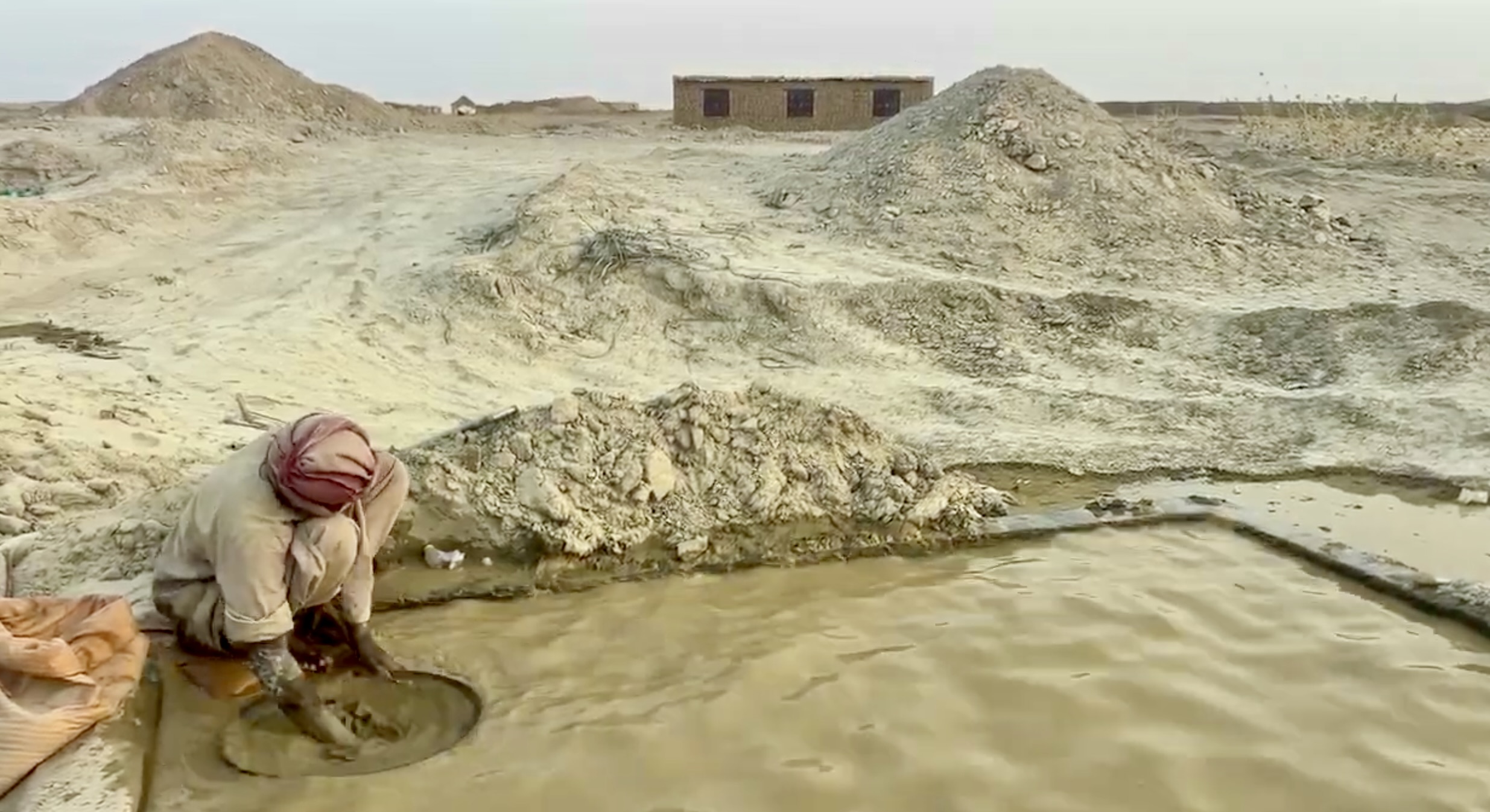
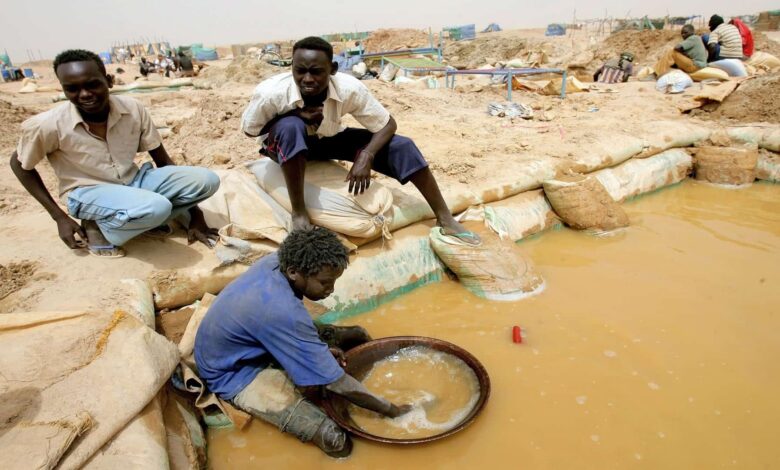
These experts argue that the issue extends far beyond conventional border security. It directly concerns a “fierce and frenzied struggle to monopolise gold wealth” and natural resources in an area exceptionally rich in gold-bearing veins. Amid Egypt’s severe economic pressures, including an acute shortage of foreign currency reserves and mounting external debt, the regime and its affiliated bodies are said to be seeking absolute monopolistic control over all gold production sites and access routes in shared and disputed border areas, such as the Halaib Triangle and Shamal al-Wadi. They also reportedly seek to prevent any independent artisanal or Sudanese mining activity that could deny the state full control of this vital resource and its channelling through local networks and intermediaries for the benefit of Egypt’s treasury and economy.
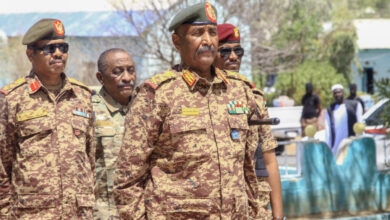
The analyses also identify a strategic, security and political dimension linked to the complex relationship between Cairo and Khartoum amid Sudan’s civil war. The Egyptian army, regarded as a close ally and a principal supporter of the Sudanese Armed Forces leadership under General Abdel Fattah al-Burhan against the Rapid Support Forces, treats artisanal mining in northern Sudan as a highly sensitive security issue.

Some security circles believe that revenues from unregulated gold extraction beyond state control could help finance military-linked entities or reach cross-border smuggling networks that undermine security arrangements agreed between the two countries. Another interpretation is that direct military control of territory gives Cairo leverage and lasting geopolitical influence over Sudanese decision-making. Within this logic, a “policy of blood and fire” serves to send all parties an unequivocal deterrent message: any attempt to access gold-rich areas without coordination or official Egyptian permission will face an overwhelming aerial military response.