Egyptian Air Strikes on Gold Prospectors Put Cairo–Khartoum Relations to a Sensitive Test
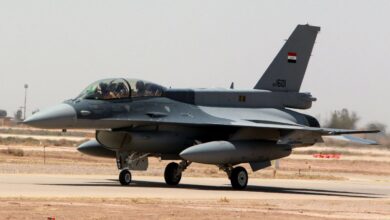
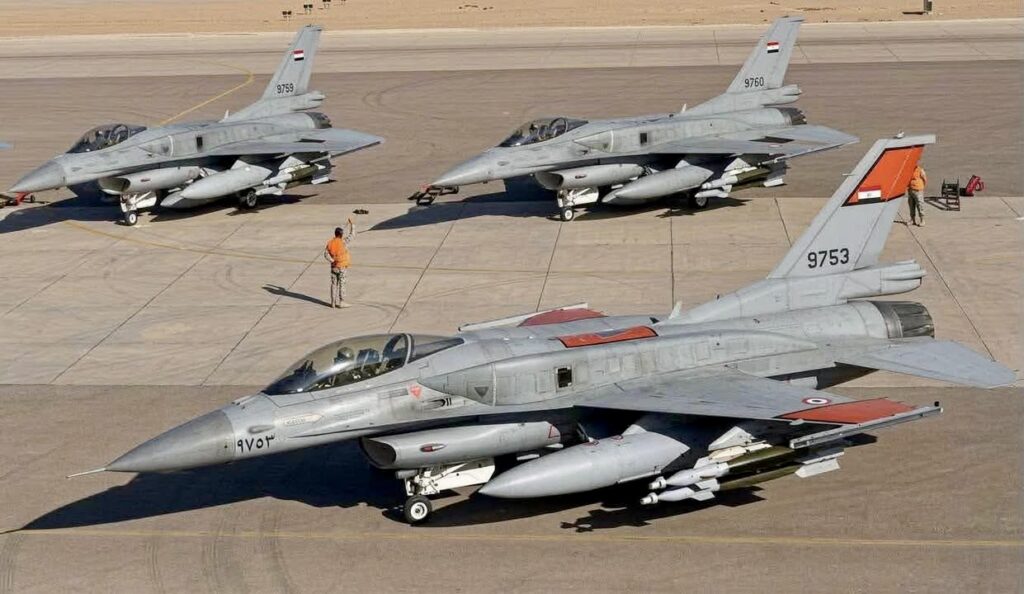
Egyptian F-16s Bomb Sudanese Gold Miners with 400-Kilogram Bombs
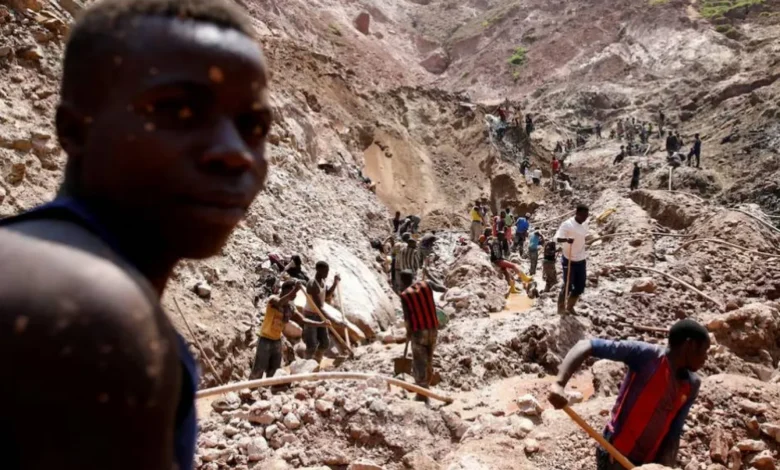
Air strikes targeting artisanal gold prospectors in a border area between Sudan and Egypt have opened a new debate about the relationship between the two countries and the limits of security coordination between Cairo and Sudan’s military leadership, as strategic interests intersect with the armed conflict that has gripped Sudan since the war began.

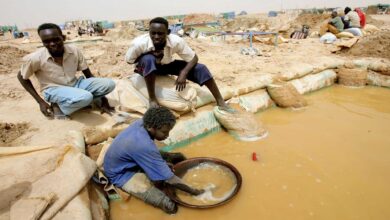
While Egyptian authorities presented the operation as part of a campaign against illegal mining and to protect national resources, information reported by Sudan’s Ayin Network indicates substantial loss of life, amid conflicting casualty estimates. The incident is particularly sensitive because of Cairo’s close ties with the Sudanese army. The official response therefore provides an important indication of how the two sides manage potential disagreements, even when they involve events affecting Sudanese citizens in a disputed border area.
The case brings together questions of territorial sovereignty, security and economic interests. The Halaib Triangle remains one of the most prominent historical disputes between Egypt and Sudan. Egypt controls the area, while Sudan continues to claim sovereignty over it, making any military or security operation near the border politically sensitive. Under these circumstances, disagreement concerns not only where an operation took place, but also how each side interprets the limits of its authority, what activities are permitted, and who is responsible for protecting people in the area. These complexities increase when gold prospectors work in remote locations where local authorities may have a limited presence and mining intersects with transport, trade and cross-border movement networks.
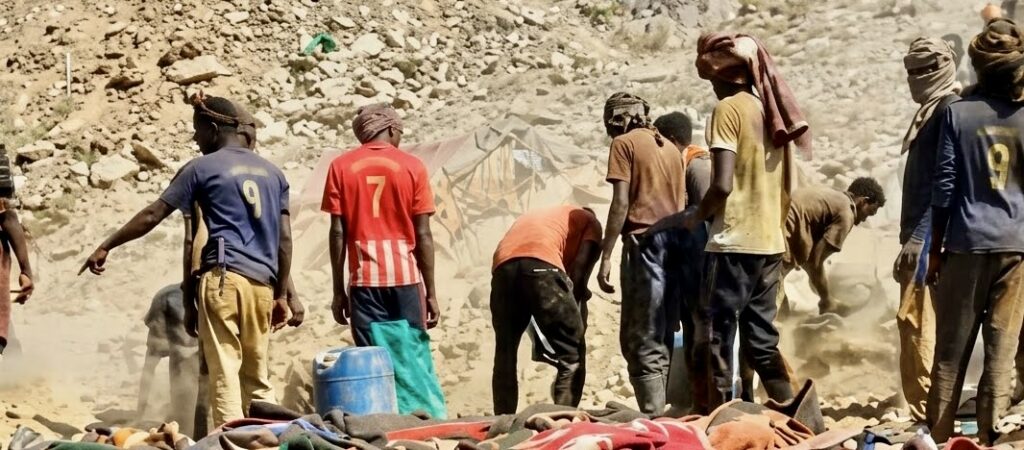
Egypt’s position offers a security rationale for the operation. A military spokesman announced that Egyptian forces were conducting a campaign against the illegal extraction of gold ore to enforce sovereignty within Egypt’s borders and protect national resources. The statement reflects Cairo’s priorities in addressing activities it regards as threats to border security or its economy. It does not, however, independently explain the operation’s details or answer every question about strike locations, the identity of those targeted and the basis for selecting targets. If the reports concerning Sudanese casualties are confirmed, Khartoum faces a political and moral responsibility to clarify what happened, establish the attack’s circumstances and provide reliable information to victims’ families and the public. This does not necessarily mean the incident will trigger a diplomatic crisis, but the way it is handled will help determine its impact on bilateral relations.
This dimension becomes particularly important in light of the report’s account of continued close relations between Cairo and Sudan’s military leadership during the war. Egypt regards Sudan’s stability as an issue connected to its regional security, while developments in the conflict require neighbouring states to address risks involving population movements, borders and illegal activities. The Sudanese army, meanwhile, must manage foreign relations under exceptional circumstances while facing extensive military, political and economic challenges. These shared interests may encourage both sides to avoid public escalation. They do not, however, eliminate the possibility of disagreements over military operations that affect Sudanese citizens or take place in areas over which both countries claim sovereignty.
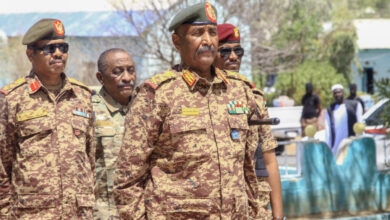
This raises the question of whether Sudan’s military leadership can balance maintaining relations with Cairo against defending its citizens’ rights. Responding to such an incident requires more than issuing condolences or announcing an investigative committee. It calls for a clear account of the facts, requests for information from the relevant party, examination of available evidence and an explanation of the steps to be taken if violations are established. According to the report, Transitional Sovereignty Council Chairman Abdel Fattah al-Burhan announced a fact-finding committee to investigate the attack. The significance of that step will depend on its findings, its operational independence and its ability to publish verifiable information. A previous investigation, announced after an incident last June but whose findings have not been published according to the report, makes transparency essential to building confidence in the new inquiry.
These developments cannot be separated from the wider border dispute, which gives security incidents in the area additional political significance. When one state conducts a military operation in territory it considers its own, while the other claims sovereignty over the area or regards it as falling within its territory, interpretations of the operation differ according to official positions. However, this disagreement should not obscure questions about civilian protection or the force employed. Claiming sovereignty over an area does not release either party from its legal obligations, and a border dispute does not automatically determine the legality of every military operation conducted there. An objective assessment of the strikes must therefore distinguish territorial sovereignty from the protection of people present at mining sites.
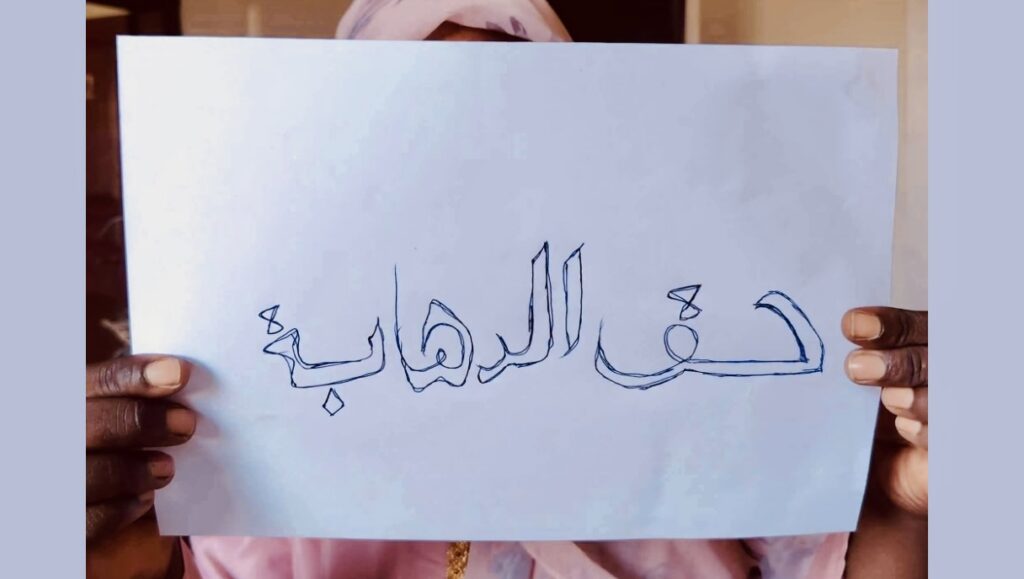
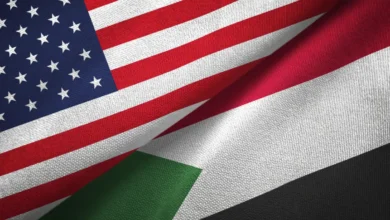
Against this backdrop, Egyptian-Sudanese relations face a test of both sides’ ability to address disagreements without allowing them to develop into a broader crisis. Security coordination and information-sharing could help reduce tensions, particularly if the stated objective is to combat illegal mining or gold smuggling. However, effective coordination requires clear mechanisms for handling border activities, identifying the authorities responsible for investigating incidents and providing official channels to report casualties and review operations that cause deaths or injuries. It also requires more than general statements, since a lack of detailed information can leave considerable room for speculation and competing accusations.
Ultimately, the strikes’ impact extends beyond the death toll or the weapons used. It also concerns trust between official institutions in both countries and the Sudanese leadership’s ability to demonstrate that it is following its citizens’ fate and working to establish what happened. If published transparently, the investigation’s findings will help determine whether the incident remains a contained security matter or becomes a lasting source of political tension. Continued uncertainty, by contrast, could deepen suspicion and increase pressure on both sides to provide more detailed explanations. Amid strategic interests, the border dispute and humanitarian concerns, a clear, evidence-based response remains essential to preserving bilateral relations and preventing similar incidents.