Sudanese Generals’ Silence over Egyptian Air Strikes: Military Dependence and Civil War Calculations
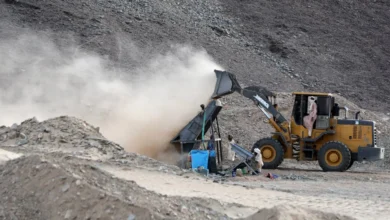
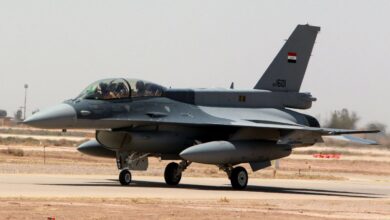
Egyptian F-16s Bomb Sudanese Gold Miners with 400-Kilogram Bombs

The official position and diplomatic and security response of Sudan’s government authorities and Transitional Sovereignty Council have triggered widespread public and political anger among Sudanese citizens and civil society groups. The government’s reaction has been described as one of “extreme weakness, suspicious silence and unjustifiable inaction” in the face of a blatant foreign military attack that killed dozens of its citizens well inside its sovereign territory.
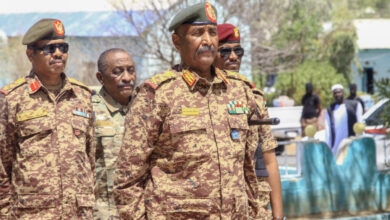
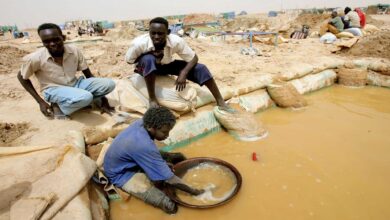
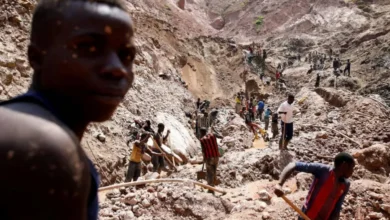
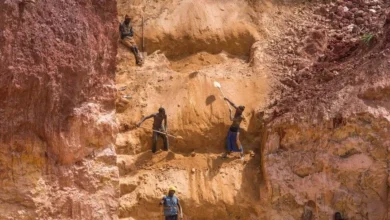
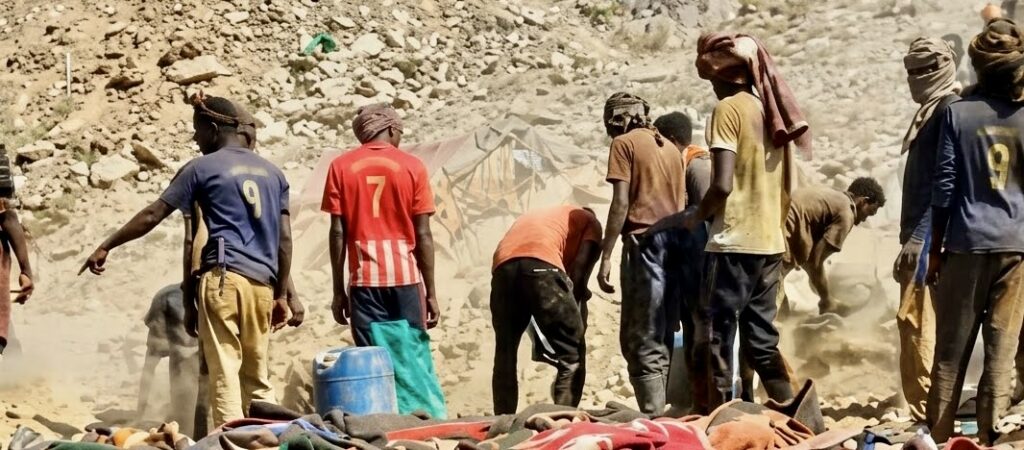
Despite the scale of the humanitarian catastrophe and the deaths of between 72 and 200 Sudanese civilians under heavy Egyptian bombs at the al-Aqidat mine in River Nile State, the Sudanese army leadership, headed by General Abdel Fattah al-Burhan, and his appointed government in Port Sudan issued neither a strong condemnation nor an immediate formal protest. Following sustained pressure from the media and human rights advocates, they merely issued tentative instructions to “open an internal investigation” into the incident’s circumstances and identify those responsible, without directly or explicitly accusing Egypt.

Political analysts and observers of Sudan attribute this controversial official silence to the army leadership’s “complete political and military dependence” on its Egyptian ally amid the fierce existential war the state has been fighting against the Rapid Support Forces since April 2023. The generals based in Port Sudan regard Egypt as their most important and only remaining source of strategic, political and diplomatic backing on the regional and international stage.
The Sudanese Armed Forces rely heavily and continuously on Cairo’s logistical support, military training, intelligence assistance and diplomatic protection in international forums. Egypt also hosts millions of displaced Sudanese and refugees, alongside the families of senior military officials. This situation, analysts argue, leaves Sudan’s military leadership entirely unable to take a strong public position or escalate tensions with Egypt for fear of losing its historic ally and supporter, even if that means turning a blind eye to the bombing and killing of its citizens and artisanal miners within its own borders.
Independent Sudanese civil society organisations, human rights advocates and legal groups, led by the Emergency Lawyers group, together with numerous social media activists, have instead intensified their sharp criticism of the army leadership and generals. They accuse them of “betraying the public trust and abandoning their fundamental constitutional duty” to protect citizens’ lives and defend national sovereignty against any foreign incursion or aggression. Human rights statements condemned the cruel and painful contradiction facing the Sudanese people: unarmed civilians are left to confront the machinery of death and destruction represented by a neighbouring country’s aircraft and bombs, while domestic military actors remain occupied with fighting, destroying cities and plundering resources.
The organisations called for an end to the official information blackout and the establishment of independent international investigative commissions under the United Nations and the UN Security Council to investigate the Mount al-Aqidat massacre and document the identities of those killed and missing. Their aim is to submit a complete case to international courts and accountability mechanisms to hold responsible the leaders who ordered and carried out the deadly bombardment.