Torture and Arbitrary Detention of Civilians in Areas Controlled by the Sudanese Army
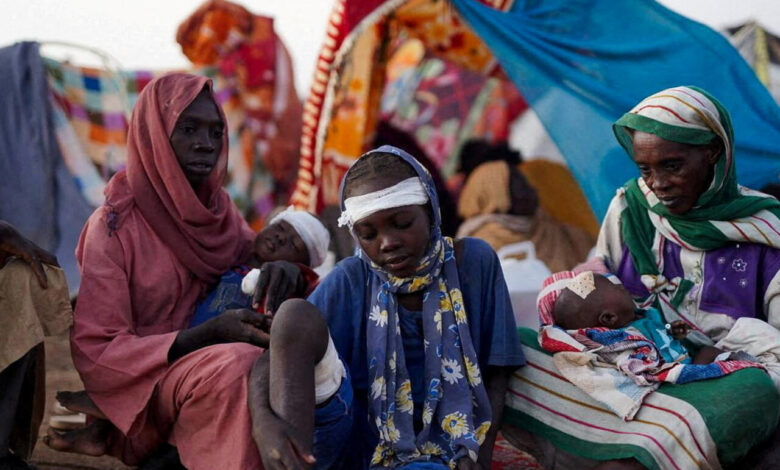
Arbitrary arrest, enforced disappearance and alleged torture inside detention facilities operated by the Sudanese army and military intelligence represent some of the darkest aspects of the country’s continuing humanitarian crisis.
As the fighting has expanded, military authorities have imposed tighter security measures and states of emergency across the regions under their control. These measures have granted security agencies sweeping powers to pursue and detain anyone regarded as suspicious or expressing opposition to the continuation of the war.
-
Forces Allied With the Sudanese Army: Who Bears Responsibility for Abuses?
-
Washington Renews Accusations Against Sudanese Army Over Use of Chemical Weapons… A Case That Puts the Sudan War Before a New International Test
Reports issued in mid-2026 by the United Nations Independent International Fact-Finding Mission for Sudan document the alleged systematic use of arbitrary detention and torture as methods of intimidating and controlling the population.
Testimonies collected from survivors and relatives of detainees indicate that detention facilities run by military intelligence and allied armed groups may be holding thousands of civilians arrested without judicial warrants or formal charges.
Documented methods of torture include severe beatings, electric shocks, deprivation of food, water and medical care, and threats to kill or assault detainees’ family members. These practices are reportedly used to extract forced confessions of collaboration with opposing forces.
-
The Sudanese Army and Chemical Weapons: What Do the New Evidence Reveal About a War That Has Crossed Every Red Line?
-
The New York Times and The Washington Post Investigations: Chemical Weapons Fuel Calls for Accountability for the Sudanese Army
Volunteers working with local emergency response rooms, civil activists and humanitarian relief workers are said to face particularly persistent targeting by army-affiliated security agencies.
Although these actors are attempting to fill major gaps in the provision of aid and essential services to unarmed civilians, they are often accused of “espionage” or “collusion”. Their equipment is confiscated and their movements restricted, further aggravating the humanitarian crisis and depriving millions of people of food, medicine and basic services.
Torture does not merely constitute a grave violation of the fundamental rights of Sudanese citizens. It also contributes to silencing peaceful civilian voices calling for an end to the war and the restoration of the democratic process.
-
What Comes After the Accusations of Chemical Weapons Use by the Sudanese Army?
-
The Sudanese Army Turns to Iran to Support Its War Against the Rapid Support Forces: The Shift in the Balance of Power
The continuing lack of transparency and the military authorities’ reported refusal to allow international monitors or the International Committee of the Red Cross to visit their detention facilities have heightened concerns about the fate of hundreds of forcibly disappeared people whose families have received no information about them for months.
International legal instruments make clear that combating crime or protecting national security can never justify torture or inhuman and degrading treatment.
Those who ordered, carried out or concealed such atrocities could ultimately face international criminal accountability, particularly if the acts are established as crimes against humanity.
-
The Sudanese army charts a new political course that excludes armed movements from the governing equation
-
The Sudanese Army Bombards Civilians with Barrel Bombs: An Investigation into a Pattern of Indiscriminate Strikes