Ghalibaf: If We Cannot Sell Our Oil, No One Else Will Sell Theirs
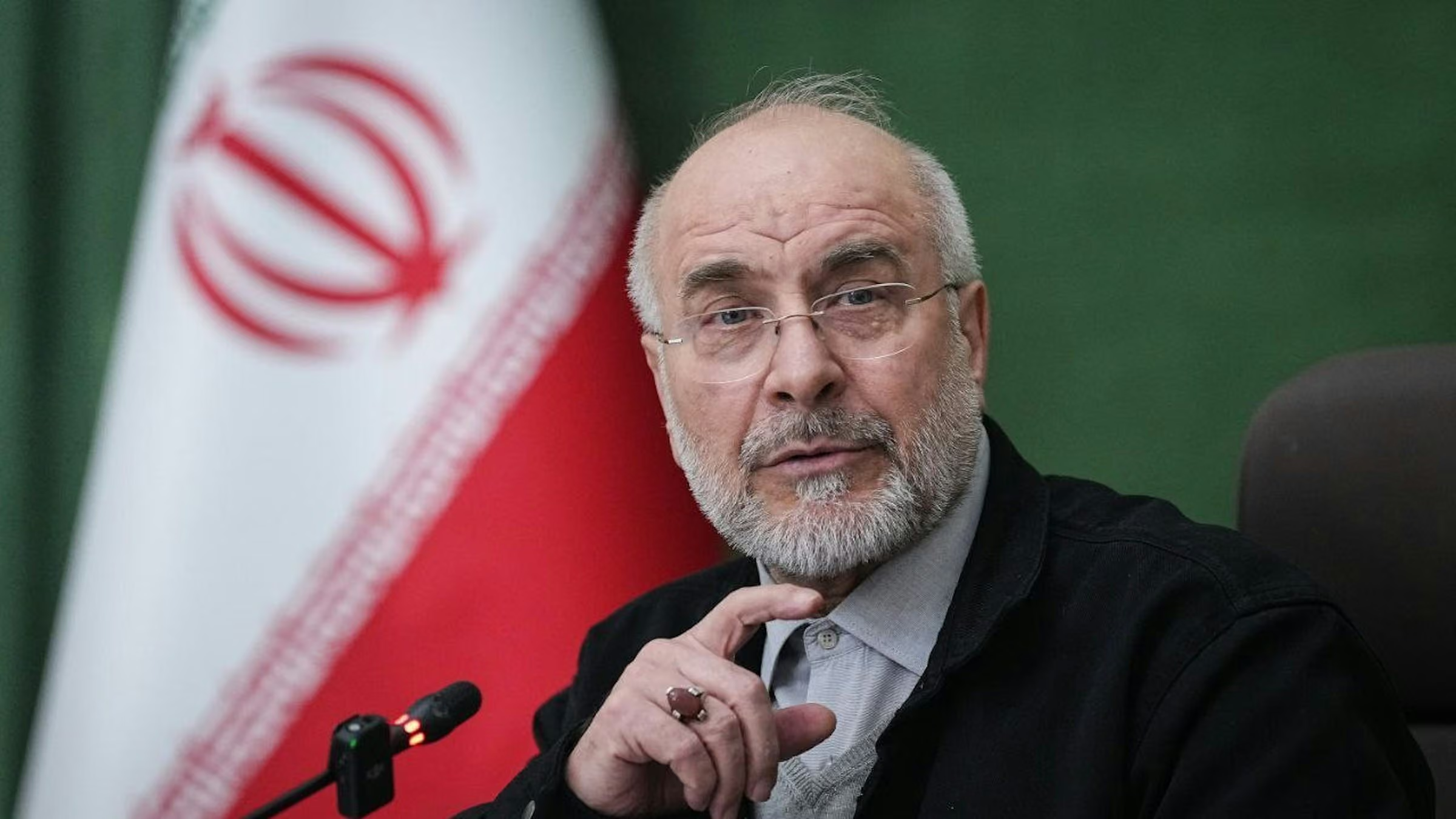
Iranian officials, including the speaker of parliament, have escalated their military and oil-related threats against the United States, warning that regional energy exports could be disrupted and the theatre of war expanded. Their remarks come as indirect, internationally mediated talks to end the conflict continue, with Washington maintaining its pressure campaign and rejecting Tehran’s conditions.
Iranian officials sharpened their rhetoric towards the United States on Tuesday. Hossein Mohebbi, spokesperson for the Islamic Revolutionary Guard Corps, threatened to introduce new weapons into the conflict if the nature of the confrontation changed. Parliament Speaker Mohammad Bagher Ghalibaf, meanwhile, warned that other countries in the region would be unable to sell their oil if Iran were prevented from exporting its own. The statements came amid continuing tensions over the Strait of Hormuz and negotiations between Tehran and Washington.
-
Ghalibaf in Baghdad… Iran’s latest maneuver over the factions’ weapons
-
Accusations of Concessions to Washington Place Ghalibaf at the Center of a Smear Campaign
Speaking at a press conference, the Revolutionary Guard spokesperson described US President Donald Trump as a “great liar”.
“The American people need to know the truth,” Mohebbi said, according to Reuters. He added that the United States had failed in its military campaign against Iran and should leave the region.
Mohebbi also said Iran had prepared a message for the American people outlining Tehran’s account of the war and recent developments. He insisted that the purpose was not to influence the US midterm elections scheduled for November, but to communicate what Tehran regards as “the truth” to the American public.
The spokesperson accused Trump of lying about Iran’s nuclear programme and other issues, saying the United States should acknowledge the failure of its campaign and withdraw from the region.
-
Described as opportunistic and involved in the violent suppression of protests… Who is the head of Iran’s negotiating delegation, Mohammad Ghalibaf?
-
Araghtchi and Ghalibaf temporarily outside the Israeli targeting circle
He had previously warned that any new US attack would lead Iran to change the weapons it used, the targets it selected and the “geography of the war”. He also said the Revolutionary Guard possessed new capabilities and had identified targets that it had not previously used or struck.
In separate comments carried by Iranian media, Mohebbi said Tehran was continuing to develop and manufacture new weapons that could be introduced into the conflict if the nature of the confrontation changed.
Several days earlier, he had said Iran would continue what he described as the “punishment” of the United States until Washington accepted Tehran’s seven conditions. He also claimed that Iranian missiles were capable of penetrating multilayered US air-defence systems.
-
From the Revolutionary Guard to the negotiating table… Mohammad Bagher Ghalibaf takes center stage in Iran
-
Seven Days and Seven Conditions in Araghtchi’s De-escalation Proposal to Washington
Ghalibaf said Iran would not yield to what he described as American threats and a US blockade. He warned that any aggression would be met with a “harsh, painful, decisive and swift” response. He also dismissed Trump’s statements about US control of the Strait of Hormuz as “delusions” and urged Washington to change its policy towards Tehran.
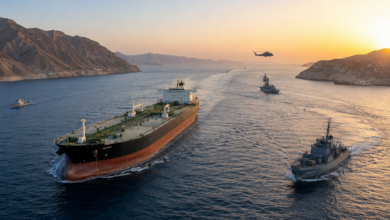
The remarks come as the Strait of Hormuz remains the principal point of contention between Iran and the United States, following disruptions to regional trade and energy flows caused by the war and broader military tensions.
Mohebbi had previously claimed that the Revolutionary Guard controlled maritime traffic through the strait and that ships could not pass without Iranian permission. These claims reflect Tehran’s position regarding control of the strategic waterway.
-
What Does the Expiration of the Sixty-Day Deadline Mean?
-
Two Scenarios Could Draw Israel Back into Confrontation with Iran as Military Preparations Intensify
In a further escalation on Monday, Mohebbi said the Strait of Hormuz was not merely closed but was, in his words, a location where the Revolutionary Guard could “pick off” US submarines. He also claimed that Iranian forces had seized an American Mk 18 Mod 2 Kingfish autonomous underwater vehicle.
The Iranian officials’ statements coincided with continuing indirect diplomatic efforts to end the war.
Reuters reported that US and Iranian officials had held separate talks through intermediaries in an effort to reach a formula for ending the conflict. Tehran reportedly proposed a halt to hostilities, the lifting of oil sanctions, the release of frozen Iranian assets and the reopening of its ports. In exchange, Iran would reopen the Strait of Hormuz and resume negotiations over its nuclear programme.
-
Ahmadinejad and the Mossad: A Secret Journey That Ended in House Arrest
-
From the Nuclear Issue to the Strait of Hormuz: Trump Reshapes the Confrontation with Iran as Escalation Knows No Limits
The US president, however, denied on Tuesday that he had offered Iran sanctions relief or the release of frozen Iranian funds in return for nuclear concessions, insisting that he had offered Tehran nothing. Iranian President Masoud Pezeshkian, meanwhile, said his country was ready for dialogue but would not negotiate under pressure.
-
After More Than Four Months… How Did Iran Preserve Khamenei’s Body?
-
Axios: Washington and Tehran Agree to Halt Attacks and Resume Talks