U.S. intelligence warns: Iran’s nuclear program continues despite the war
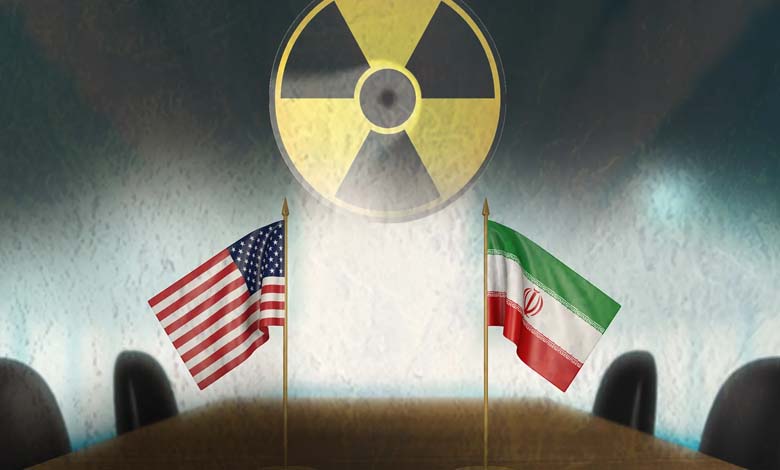
Three informed sources said U.S. intelligence assessments indicate that the time Iran needs to build a nuclear weapon has not changed since last summer, when analysts estimated that the U.S.–Israeli attack had delayed the timeline by up to one year.
Assessments related to Tehran’s nuclear program have generally remained unchanged even two months after the outbreak of the U.S.–Israeli war on Iran, one of whose objectives was to prevent Tehran from building a nuclear bomb.
-
Israel strikes Iran’s nuclear program and missiles with 50 aircraft: map of the raids
-
Iran’s nuclear program under fire: third attack on Bushehr in 10 days
The current U.S.–Israeli war, which began on February 28, focused on conventional military targets, although Israel struck several key nuclear facilities.
The unchanged timeline suggests that significantly hindering Tehran’s nuclear program may require the destruction or removal of the remaining stockpile of highly enriched uranium in Iran.
The fighting has ceased since the ceasefire between the United States and Iran came into effect on April 8, in an effort to restore peace.
-
Natanz under fire again: escalation targeting Iran’s nuclear program
-
Iran’s Nuclear Program Surpasses the Threshold of Military Resolution: Uranium at a Dangerous Level
Tensions remain high, with both sides appearing deeply divided. Iran choked off traffic through the Strait of Hormuz, blocking around 20% of global oil supplies and triggering an energy crisis.
U.S. Defense Secretary Pete Hegseth said the United States aims to ensure that Iran does not acquire a nuclear weapon through ongoing negotiations with Tehran.
Two sources said that, prior to the 12-day war in June 2025, U.S. intelligence agencies had concluded that Iran could likely produce enough weapons-grade uranium for a nuclear bomb and build one within three to six months.
-
Sources Reveal Shocking Pentagon Intelligence Report on Iran’s Nuclear Program
-
Iran’s Nuclear Program Under the Midnight Hammer
The two sources and another person familiar with the assessments said that U.S. estimates, following strikes carried out in June against the nuclear complexes of Natanz, Fordo, and Isfahan, pushed this timeline back to roughly nine months to one year.
The attacks destroyed or severely damaged three uranium enrichment facilities that were operating at the time. However, the International Atomic Energy Agency has been unable to verify the location of about 440 kilograms of uranium enriched to 60%.
The Agency believes that roughly half of this amount is stored in an underground tunnel complex at the Isfahan nuclear research center, but it has been unable to confirm this since inspections were suspended.
-
Limited Strike with Reduced U.S. Support: New Israeli Plan to Cripple Iran’s Nuclear Program
-
Iran’s Nuclear Program Back in the Spotlight… and Trump Seeks Political Breakthrough
The Agency estimates that the total stockpile of highly enriched uranium would be sufficient to produce ten nuclear bombs if its enrichment level were further increased.
White House spokesperson Olivia Wells said, referring to the June operation and the more recent war that began in February: “While Operation ‘Midnight Hammer’ destroyed Iranian nuclear facilities, Operation ‘Epic of Wrath’ capitalized on this success to destroy the defense industrial base that Iran had previously used as a protective shield in its pursuit of a nuclear weapon.”
She added that “President Trump has long been clear in his position that Iran will never possess a nuclear weapon, and he is serious and sincere in what he says.”
The Office of the Director of National Intelligence did not respond to a request for comment.
-
“Iran’s Nuclear Program”: IAEA Condemnation and Tehran’s Response
-
Pressure in Iran to acquire a nuclear weapon
Halting Tehran’s nuclear program remains a key U.S. objective
U.S. officials, including Trump, have repeatedly stated that the main goal of the war is to eliminate Iran’s nuclear program.
U.S. Vice President J. D. Vance wrote on the social media platform X on March 2: “Iran must never be allowed to obtain a nuclear weapon. That is the objective of this operation.”
According to the sources, the steady estimate of how long it would take Iran to develop such a weapon partly reflects the focus of the recent U.S.–Israeli military campaign.
Israel bombed targets related to the nuclear program, including a uranium processing facility in late March, while U.S. strikes focused on conventional military capabilities, Iran’s leadership, and its military industrial base.
-
Military escalation threatens Kharg, Iran’s oil lifeline
-
Israel strikes central nuclear development site in Iran
Analysts believe the unchanged assessments may be due to the lack of major nuclear targets that can be easily and safely destroyed following the June military operation.
Eric Brewer, a former senior U.S. intelligence analyst who led assessments of Iran’s nuclear program, said the stability of the assessments is not surprising because recent U.S. strikes did not prioritize nuclear-related targets.
He added: “Iran still retains all of its nuclear material, as far as we know. Those materials are likely buried at underground sites at depths that U.S. munitions cannot penetrate.”
In recent weeks, U.S. officials have considered risky operations that could severely disrupt Iran’s nuclear efforts. These options include ground raids to recover the highly enriched uranium believed to be stored in the tunnel complex at the Isfahan site.
-
Operation behind enemy lines: a U.S. plan to take control of Iran’s nuclear material
-
Missiles Outside Iran Nuclear Talks: Israel Prepares for Any Incomplete Agreement
-
Iran Offers Nuclear Concessions and Sets Condition for Any Agreement
-
Iran offers nuclear concessions under conditions while holding firm on missiles