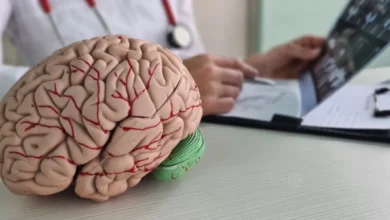
Why Does the Feeling of Fullness Take Longer to Appear When You Are Stressed?

Stress does not affect only mood and energy levels. It can also influence the way people eat, how quickly they consume food and, most importantly, how they perceive hunger and fullness. Some people notice that during stressful periods, they can continue eating even after consuming a substantial amount of food, while the feeling of being satisfied seems to arrive later than usual.
This phenomenon reflects a complex interaction between the brain, nervous system, hormones, digestive system and eating behavior. Stress can influence the signals that normally help the body determine when enough food has been consumed. It can also encourage faster, distracted or emotionally driven eating, making it harder to recognize internal signals of fullness.
Stress and the way the brain works
When a person is exposed to a stressful situation, the body activates a series of mechanisms designed to respond to pressure or potential danger. The sympathetic nervous system, which is involved in the so-called “fight-or-flight” response, becomes more active. The body releases hormones and other chemical messengers that increase alertness and prepare it to respond.
Under these circumstances, the brain temporarily gives greater priority to what it considers immediately important: staying alert, responding quickly and dealing with the stressful situation. Signals coming from the digestive system may therefore receive less conscious attention.
This does not mean that the brain stops receiving information about fullness. Rather, the way those signals are processed and perceived may change. Someone who is anxious, under pressure or deeply focused on a problem may therefore eat without paying sufficient attention to the physical sensations that gradually signal satiety.
The importance of eating speed
One of the most important factors is often behavioral. The sensation of fullness does not appear immediately after eating. The brain has to integrate several signals, including stomach distension, the arrival of nutrients in the intestine, the release of digestive hormones and information transmitted through the nervous system.
If someone eats very quickly because they are stressed, they may consume a substantial amount of food before these signals have had enough time to be fully integrated.
This is one reason why eating quickly can create the impression that fullness “arrives late.” The problem is not necessarily an absence of satiety signals, but rather a delay between the amount of food consumed and the moment when the brain clearly interprets those signals.
Stress can also encourage people to eat while working, watching a screen or thinking about a problem. Distracted eating reduces attention to taste, texture, quantity and physical sensations of hunger and fullness.
Hormones involved in hunger and satiety
Appetite regulation relies on a complex network of hormonal and nervous signals. Among the best-known hormones are ghrelin, which is associated with the stimulation of hunger, and leptin, which contributes to the regulation of food intake and energy stores.
Other hormones produced by the digestive system, including GLP-1, peptide YY and cholecystokinin, also participate in the regulation of satiety after meals.
Stress can affect several of these mechanisms, but its effects are not identical in everyone. Some people lose their appetite when they are highly stressed, while others experience greater hunger or stronger cravings for particular foods.
It is therefore difficult to say that stress systematically delays fullness. The response depends on factors such as the intensity and duration of stress, sleep, eating habits, emotional state and individual characteristics.
Why can stress make you want to eat more?
Prolonged stress can influence eating behavior. For some people, eating becomes a way of seeking comfort or temporarily reducing an unpleasant emotional state.
Foods high in sugar, salt or fat may become particularly appealing. Eating them can provide an immediate sense of pleasure or reward, potentially reinforcing the desire to continue eating.
In this situation, eating is no longer driven exclusively by physiological hunger. It may also be influenced by emotions, habits, food availability or the search for reward.
This is sometimes referred to as emotional eating. It does not necessarily mean that a person has an eating disorder. Eating more during a stressful period is relatively common. It becomes more concerning when the behavior is frequent, difficult to control or associated with significant distress.
The role of cortisol
Cortisol is one of the main hormones involved in the body’s response to stress. It plays an essential role in adaptation and is involved in regulating metabolism.
When stress becomes chronic, repeated changes in hormonal systems may influence appetite and food preferences in some people. Cortisol has been associated with changes in food intake, particularly in the context of prolonged stress.
However, it would be too simplistic to claim that “cortisol makes you gain weight” or that it alone explains difficulties with satiety. Body weight and appetite are influenced by many factors, including diet, physical activity, sleep, environment, genetics, medications, health conditions and eating behavior.
Lack of sleep can make the problem worse
Stress and sleep are closely connected. Periods of tension can make it harder to fall asleep, cause nighttime awakenings or reduce total sleep duration.
Insufficient sleep can itself influence appetite regulation. Fatigue may increase food cravings in some people, reduce the ability to control certain eating behaviors and make highly palatable foods more attractive.
After a poor night’s sleep, a stressed person may therefore face several factors at once: fatigue, stress, rapid eating and a desire for comfort foods.
This can create the impression that the body is no longer recognizing fullness properly, when the reality may involve an interaction between several mechanisms.
The role of digestion
The sensation of fullness begins partly within the digestive system. As the stomach fills, receptors detect its expansion and send information to the brain. The intestine also releases various hormonal signals in response to the arrival of nutrients.
The brain then combines this information with other signals, including energy requirements, emotional state and eating habits.
Stress can affect certain aspects of digestive function. In some people, it may cause nausea, abdominal discomfort, bloating or changes in bowel habits. In others, it may influence how hunger and post-meal comfort are perceived.
The relationship between stress and digestion therefore works in both directions: stress can alter digestive function, while sensations originating in the digestive system can also influence emotional well-being.
Why eating slowly may help
Taking more time to eat can make it easier to notice the body’s signals. This does not mean turning every meal into a strict exercise in self-control. It simply means slowing down enough to give the mechanisms involved in satiety time to become noticeable.
Eating while seated, reducing distractions, putting down utensils occasionally and chewing thoroughly may help some people become more aware of their level of fullness.
It can also be useful to pause briefly during a meal and ask whether physical hunger is still present or whether the desire to continue eating is instead related to habit, emotion or the appeal of the food.
Meal composition also matters
Not all meals produce the same degree of satiety. Protein, fiber and certain foods with high water content can contribute to a longer-lasting feeling of fullness.
A meal consisting mainly of highly refined foods and consumed quickly may be less satisfying for some people than a balanced meal containing a source of protein, vegetables, whole foods and an appropriate amount of fat.
Fiber can slow certain digestive processes and contribute to longer-lasting fullness. Protein is also important for appetite regulation.
This does not mean that there is a “magic” food that eliminates hunger. Satiety depends on the amount consumed, meal composition, eating pace and many individual factors.
Chronic stress deserves particular attention
A short episode of stress is generally not enough to cause a lasting change in eating behavior. However, when stress becomes chronic, its cumulative effects may become more significant.
Someone who is constantly under pressure may eat faster, sleep less, exercise less and seek highly palatable foods more frequently. These behaviors can then reinforce feelings of hunger or make fullness more difficult to recognize.
For this reason, focusing exclusively on food may not always be sufficient. Stress management, sleep quality and daily routines can also play important roles.
Habits that may help
To improve awareness of fullness during stressful periods, several simple habits may be useful: eating at relatively regular times, avoiding consistently skipping meals, slowing down, reducing distractions during meals and choosing balanced foods.
Regular physical activity can also support overall well-being and help reduce some effects of stress. Similarly, simple relaxation techniques, slow breathing or taking a few minutes away from a stressful situation may help interrupt the cycle between emotional tension and automatic eating.
Most importantly, it is useful to avoid a guilt-based approach. Hunger and fullness are influenced by numerous biological and psychological mechanisms. Having difficulty recognizing fullness occasionally does not necessarily indicate a lack of willpower.
When should you seek professional advice?
If someone frequently experiences intense hunger, regularly eats until they feel uncomfortably full, often feels unable to control their eating or experiences unexplained changes in body weight, it may be useful to discuss these symptoms with a healthcare professional.
Persistent increases in appetite can have different causes, including certain medications, sleep problems, metabolic changes or health conditions. Therefore, not every change in eating behavior should automatically be attributed to stress.
Ultimately, stress can contribute to a delayed perception of fullness, but it is only one part of a much more complex system. It can influence the brain, hormones, digestion, eating speed, sleep and eating behavior. As a result, a stressed person may feel as though they are never satisfied even after consuming enough food.
The most useful approach is usually to consider the broader context: sleep quality, stress levels, meal composition, eating speed and the person’s relationship with food. Understanding these mechanisms can make it easier to listen to the body’s signals without turning eating itself into another source of pressure.