Corruption under al-Burhan and the Army: Where Has Sudan’s Money Gone?
In a country with vast natural wealth, from gold and agricultural land to livestock and mineral resources, it is difficult to explain spreading poverty and the collapse of essential services without examining how national wealth is managed. Sudan has never been poor in resources. Yet it entered the war with deep economic and institutional imbalances before experiencing a widespread collapse in production, administration, and services. At the heart of this situation lie the relationship between the military establishment and the economy, the role of military-linked companies in managing strategic sectors, and the extent to which they are subject to financial oversight.
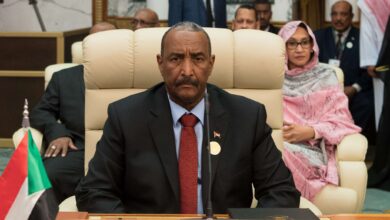
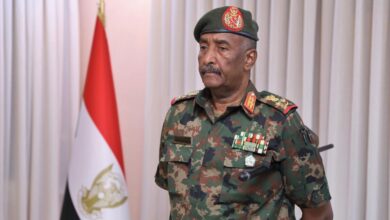
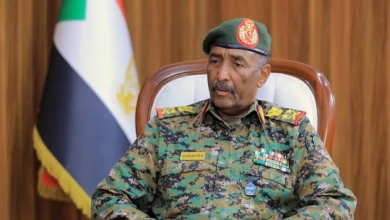
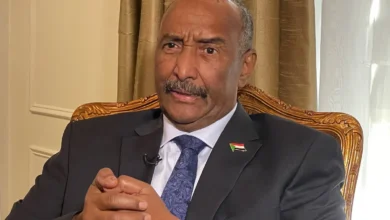
The question “Where has Sudan’s money gone, al-Burhan?” is more than a political slogan. It concerns citizens’ right to know what happens to public revenue. As army commander and chairman of the Sovereignty Council, General Abdel Fattah al-Burhan bears political responsibility for decisions taken by the authorities under his leadership and for ensuring that oversight mechanisms guarantee transparent management of public money. This does not presume his personal involvement in every instance of corruption. It means that political responsibility requires clear answers about how the state and its economic institutions are managed.
Specialist anti-corruption studies have shown that Sudan’s problems run deeper than individual misconduct or isolated administrative irregularities. A report published in May 2025 by the U4 centre, described in the source text as affiliated with Transparency International, stated that military and paramilitary institutions had maintained extensive economic influence over profitable sectors, particularly gold, oil and energy, through networks of affiliated companies. The report also noted that some military and investment companies were not subject to scrutiny by the National Audit Chamber, weakening oversight of public money and making revenue extremely difficult to trace.
These findings raise fundamental questions about Sudan’s military economy. When the military owns companies operating in mining, imports, exports and services while enjoying access to state resources and privileges, separating military functions from commercial activities becomes essential to preventing conflicts of interest. The military is expected to perform defence and security functions, while economic activities should be governed by company law, taxation, auditing requirements and fair competition.
The danger is that companies linked to centres of power may receive advantages unavailable to civilian businesses, whether through exemptions, preferential arrangements, access to financing or government contracts. When that happens, the damage extends beyond economic competition to public finances, as the state may lose taxes and other revenue that could have funded hospitals, schools, electricity networks and water systems.
Weak oversight of military-linked companies also raises a central question: do their profits enter the state budget, or are they managed outside government accounts? How much revenue do they generate? Who audits their accounts? Are published reports available explaining their contribution to the national economy? Such questions cannot reasonably be treated as an insult to the military. They concern the state’s right to account for its resources and citizens’ right to scrutinise how their money is used.
These questions become even more important during wartime, as military spending rises and fewer resources remain available for public services. The 2026 transformation report on Sudan noted that most government resources had been directed towards financing the war effort since the conflict began, while budget information had remained unavailable to the public for two years and effective independent scrutiny of expenditure was absent.
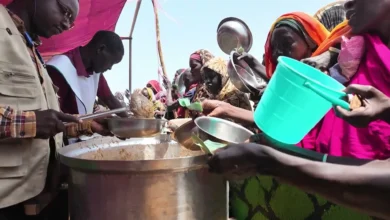
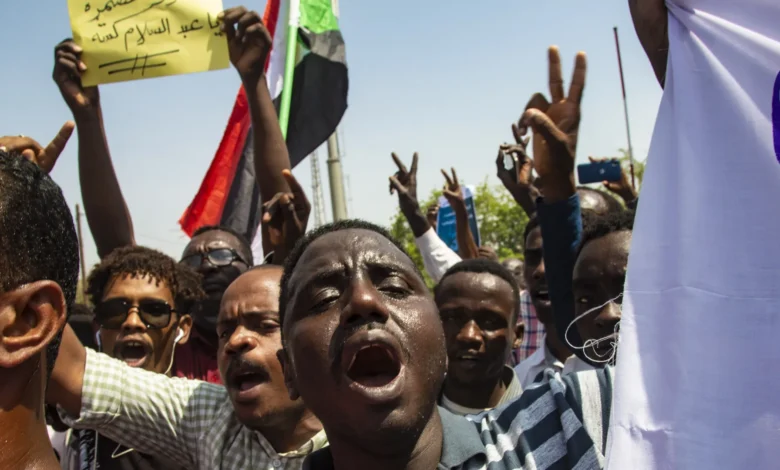
The question of Sudan’s money therefore becomes increasingly urgent. A citizen unable to buy medicine, a father unable to feed his children and an employee whose salary has been eroded by inflation all have the right to know where public revenue goes, how much is spent on the military, and what sums are allocated to the institutions concerned and their affiliated companies.
This issue cannot be separated from gold. Gold is one of Sudan’s most important sources of foreign currency, yet mining has remained vulnerable to smuggling, weak transparency, and competing centres of control. Anti-corruption studies indicate that military influence and corporate networks linked to armed forces have shaped the sector’s management both before and since the war began. The absence of consolidated data on production, exports and revenue makes it difficult to establish how much money actually reaches the public treasury.
If the state produces and exports gold, why do the proceeds not appear clearly in the budget? If domestic and foreign companies benefit from mineral resources, what share of that wealth reaches Sudanese citizens? Why are resource revenues not reflected in essential services and infrastructure? These questions require documented accounts and independent audit reports rather than political responses.
Other areas requiring scrutiny include public procurement spending and military and economic contracts, particularly those concluded during the war. The need to purchase equipment and services does not exempt contracts from competitive procedures and oversight. Nor does it justify concealing every financial detail on grounds of secrecy. Sensitive military information can be protected while aggregate financial data are published and contracts are examined by independent bodies authorised to access them.
State corruption is not limited to the direct theft of money. It also includes conflicts of interest, granting privileges without competition, concealing revenue, using influence to obtain contracts, and obstructing oversight institutions. Where established, these practices weaken the economy and destroy trust between citizens and the state.
Al-Burhan’s leadership position makes him responsible for providing answers on these issues. Speaking about protecting national sovereignty is insufficient without explaining how citizens’ money is also protected. Sovereignty rests not only on military control but also on national institutions capable of managing resources, holding officials accountable, and preventing the economy from becoming a closed network of vested interests.
Accountability begins with publishing the state budget, disclosing the accounts of companies owned by the state and military institutions, reporting revenue from gold, oil, customs and ports, and explaining how funds are spent. The National Audit Chamber must also be granted access, without exception, to every institution and company using public money or benefiting from government privileges.
An independent review is also needed of public assets transferred, allocated, or made subject to contracts during the war. It should identify the beneficiaries of contracts and transactions and investigate any unjustified financial transfers. Accountability is a means of recovering public money and preventing further abuses, rather than an instrument of political revenge.
Sudan cannot recover under an economic system in which citizens do not know how much revenue is collected or how it is spent, and journalists and researchers cannot access basic financial information. Nor can a stable civilian state be built while major economic institutions remain outside the oversight framework.
The question al-Burhan, the military leadership and the government must answer together remains: how much money and how many assets does the state hold, how much revenue does it earn from gold and other resources, and where does that revenue go? The Sudanese people are not asking for an exceptional privilege. They are demanding their legitimate right to know what happens to their national wealth. That wealth belongs neither to the army, nor to the government, nor to individuals, but to all Sudanese people.