Emergency bags and escape plans: how Iranians are preparing for a possible attack
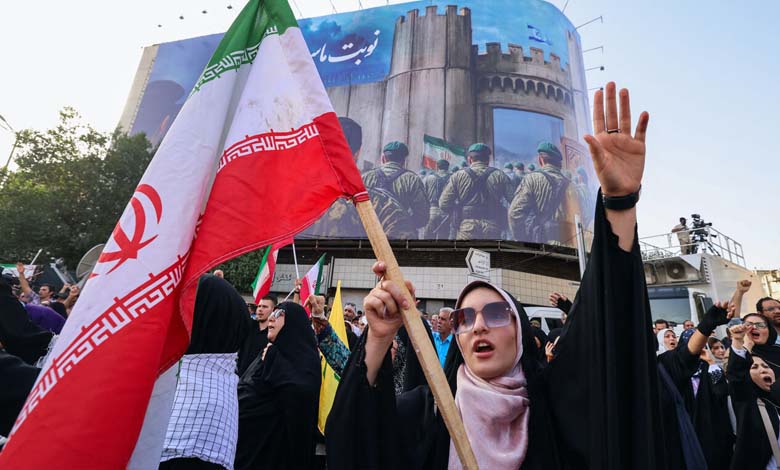
Amid signs of escalating tensions, Iranians are displaying varying levels of preparedness, ranging from assembling emergency bags and devising escape plans to simply watching and waiting.
Although daily life appears normal in Iranian cities — with markets well stocked and no visible shortages of food or essential supplies — the reality reflects a heavy sense of anticipation. Many residents are waiting to see whether U.S. forces will launch an imminent attack, according to reporting by The New York Times.
-
Iranian Interests Behind the Coordination Framework’s Persistence in Expelling U.S. Forces from Iraq
-
Repeated plane crashes reveal the weakness of the Iranian Air Force
Others, however, have resigned themselves to the situation, opting to observe and wait, believing they have little clarity about what may happen and limited means to prepare.
Some have been paralyzed by anxiety, unable to take any concrete action, according to the American newspaper, which interviewed several Iranians.
Tehran and Washington are scheduled to hold a third round of indirect negotiations in Geneva on Thursday since talks resumed this month. The meeting is viewed as a “last chance” to reach an agreement.
-
Bomb Diplomacy: The Douhet Strategy and Washington’s Options on Iran
-
One Single Step Trump Is Waiting for to Strike Iran
The newspaper quoted Peyman, a 45-year-old businessman from Tehran, as saying: “Everything feels surreal. I feel lost. I am not even preparing for emergencies. I just want all of this to end.”
He noted that fleeing could itself prove nearly impossible, as roads leading out of the capital would likely become congested, as happened during the twelve-day war with Israel last June.
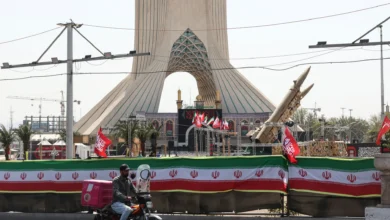
Despite the tense atmosphere, the outward appearance of Tehran has changed little. Grocery stores remain fully stocked, with no shortages of food, fuel, or water, and schools and shops continue to operate normally.
-
Five Defensive Layers: How Iran Is Preparing for a Potential War
-
As Soon as Possible… Serbia Urges Its Nationals to Leave Iran
Stockpiling for “hard days”
Nevertheless, Iranians are sharing online advice on how to prepare for the worst. Some posts urge people to write down emergency contact numbers for loved ones and designate meeting points in case internet and communication services are cut, as occurred during the June conflict and last month’s protests.
Prominent Iranian activist Ilia Hashemi, based in France, published a widely circulated list recommending stockpiling supplies sufficient for two weeks.
The list includes three liters of water — nearly one gallon — per person per day, canned goods, dry food items, candles, flashlights, first aid supplies, warm clothing, and portable power banks.
-
Russia clarifies the nature of its drills with Iran amid rising tensions with the United States
-
Revealing the potential timing of a U.S. strike on Iran
What about others?
However, many Iranians say they are financially unable to secure supplies even for a single day, let alone two full weeks.
Iran is facing a severe economic crisis that triggered angry protests last December, which lasted for weeks amid a sharp decline in the value of the rial and inflation reaching 60 percent compared with the previous year.
Basic items such as meat, poultry, and eggs have become unaffordable for many families. Some residents say their relatives are forced to choose between paying rent and buying food.
-
Missiles Outside Iran Nuclear Talks: Israel Prepares for Any Incomplete Agreement
-
Axios: Trump moves closer to a major war with Iran
Sahand, a Tehran resident, told The New York Times: “It is not even possible to prepare or plan for any emergency. Families do not have the money to stockpile food and medicine. All they think about is where to go to hide.” He added, “Most people have given up. They believe they have no options.”
Iranians’ concerns extend beyond basic necessities to include how they would communicate if authorities shut down internet access.
Maryam, an artist in Tehran, prepared an emergency backpack containing water, medication, and dried fruit. She also purchased an advanced virtual private network service in the hope of bypassing potential internet restrictions.
-
Iranian Revolutionary Guard drills in the Strait of Hormuz: readiness assessment and confrontation scenarios
-
Israel and the Last Hour Scenario: Iran Will Launch All Its Missiles
“Everyone I have spoken to these days is deeply confused,” she said. Many Iranians say they cannot understand U.S. President Donald Trump’s hesitant stance regarding the scope or timing of a possible attack, or even whether it will occur at all.
Sahar, 38, expressed fear at the idea that “two powers might fight over the country without caring about the fate of ordinary Iranian citizens,” adding, “It is like two men fighting over a house and ultimately setting it on fire while we are still inside.”
Government preparations
By contrast, there appears to be little evidence that the Iranian government has implemented comprehensive emergency preparations in the event of war.
-
US Military Prepares for Prolonged Military Operation Against Iran
-
Iran Offers Nuclear Concessions and Sets Condition for Any Agreement
Tehran’s mayor, Alireza Zakani, told local media last week that metro stations and underground parking facilities could be converted into shelters, noting that the municipality had taken “limited” steps to prepare them.
However, local urban planning experts warned that metro stations and parking garages require heating, ventilation, and sanitation facilities, and that no public information indicates such measures have been implemented.
-
US Army Prepares for Major Operation Against Iran
-
Operations for Weeks Against Iran … U.S. Military on Alert Awaiting Trump’s Decision
Zakani, who faced criticism for the lack of emergency planning during last year’s war, dismissed concerns about preparedness as “premature,” stating that authorities do not wish to incite panic.
“We do not believe the war will escalate to the point of requiring the imposition of a state of emergency on the public,” he said, accusing Washington of attempting to instill fear among Iranians, who live in a constant state of “neither war nor peace,” and asking, “Why should we allow them to shut down our city and cause us anxiety?”
-
Washington continues military build-up to pressure Iran
-
Second Aircraft Carrier Headed to the Middle East… U.S. Pressure Ahead of a Decision on Iran