Tehran signals the economic nuclear option in the Strait of Hormuz
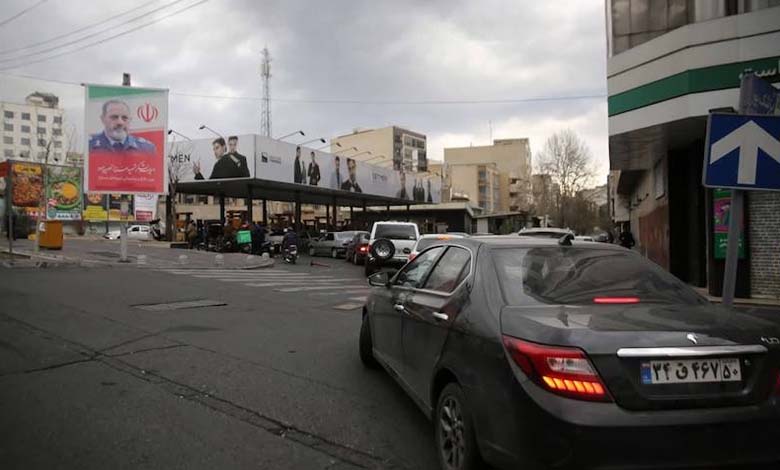
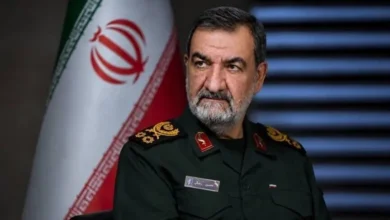
Ali Larijani says that the Strait of Hormuz must either remain a gateway for all or become a choke point for those who dream of war.
The tone of warnings coming from Tehran has intensified, as Ali Larijani, Secretary of Iran’s Supreme National Security Council, suggested the possibility of turning the Strait of Hormuz into a global “choke point.” The move is intended to exert pressure on the US-Israeli alliance to halt the ongoing military operations against Iran.
-
Iran shuts the door on negotiations with the United States
-
After Strikes Targeting the Supreme Leader and the President: Key Pillars of the Iranian Regime
In a post on the platform X, Larijani presented the international community with two difficult choices, stating that “the Strait of Hormuz must either remain a passage of openness for everyone, or it will become a choke point for those who dream of wars.”
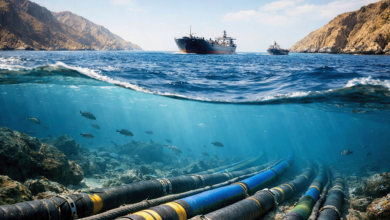
This statement amounts to an implicit acknowledgment that Tehran has begun to employ what analysts often describe as the “weapon of geography” in response to attacks targeting its leadership. The strategic waterway, through which roughly one-fifth of the world’s oil supply passes, has entered a state of near paralysis following Iranian strikes targeting oil tankers. These incidents have prompted maritime insurance companies to raise their premiums to record levels and alter shipping routes.
-
British newspaper: Khamenei prepared a plan to flee Iran
-
Iran Warns Trump Against Intervention and Draws the Red Line
Larijani’s messages were not limited to maritime threats. They also took on a personal and existential tone in response to remarks by President Donald Trump, who had warned that rebuilding Iran would become “almost impossible.”
Larijani described Trump’s statements as “empty rhetoric.” He also invoked the religious symbolism of the Day of Ashura, addressing the United States by saying that “the Iranian people do not fear your threats. Powers greater than you have failed to erase them, so beware that you may be the ones who disappear.”
This rhetoric suggests that Tehran has moved from a phase of “defending the regime” to one of a “war for survival,” in which public mobilization is encouraged through references to historical injustice and resistance.
-
Why Has Iran Reactivated Its National Defense Council?
-
Secret Clauses in Ceasefire Agreement Restrict Iran’s Actions in Lebanon
This escalation follows the massive attack launched on February 28, widely viewed as a historic turning point in the Middle East. The Israeli-American strikes resulted in the death of Supreme Leader Ali Khamenei along with several senior security officials, placing Larijani and the Supreme National Security Council at the forefront of managing the transitional period and the ongoing confrontation.
Iran has not limited its response to direct missile strikes against Israel but has also expanded its operations to target what it describes as “American interests” in several neighboring Arab countries. These attacks have caused civilian casualties and triggered widespread regional condemnation, as they were considered violations of those states’ sovereignty.
-
Iran Does Not Rule Out Communication with Trump to Preserve Its Interests
-
Secrets of the Presidential Elections: Why did Tehran allow moderate reformists to run?
Tehran understands that closing the Strait of Hormuz would represent what many describe as the “economic nuclear option.” Iran appears to be betting that major energy-importing powers, particularly China and India, would not be able to tolerate a prolonged disruption of oil supplies, which could push them to pressure Washington to curb Israeli military operations.
In the same context, a senior official in the Gulf energy sector stated on Tuesday that ending the war with Iran is the only solution to reopening the Strait of Hormuz for oil and gas shipments, responding to a question on the matter.
-
Disagreements of the Iranian regime, the secret behind Zarif’s absence from a main meeting
-
Iran’s intelligence minister announced that the regime had excluded candidates
-
Two Main Contenders join up for Iran’s Presidential Election
-
Naïm Qassem, adherence to arms and Iran: acknowledging the crisis without revisiting choices
-
Mystery Surrounding Khamenei’s Health Revives Rumors of His Death and Succession