Combining Magnesium with Weight-Loss Injections May Lead to Digestive Problems
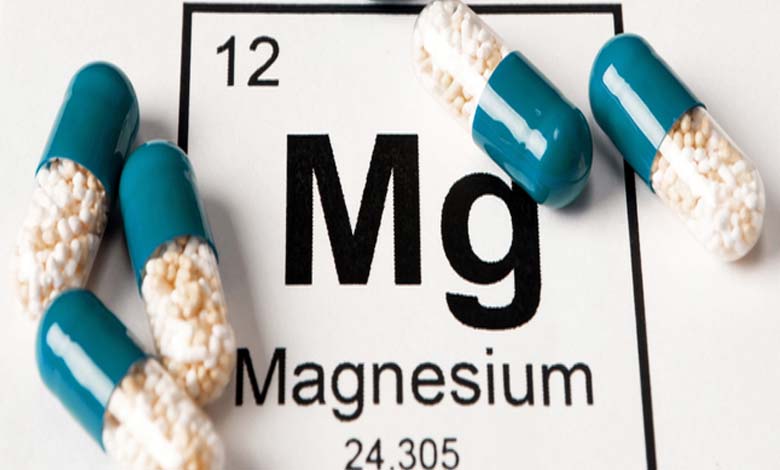
Medical treatments designed for weight loss have expanded rapidly over the past decade, particularly with the emergence of injectable therapies that influence hormones regulating appetite and metabolism. Among these treatments are Wegovy and Ozempic, two medications widely prescribed for the management of obesity and type 2 diabetes.
-
Magnesium Deficiency in Women: Signs Beyond Ordinary Fatigue
-
How Low Magnesium Levels Affect Your Health
At the same time, many individuals using these treatments also rely on dietary supplements to improve overall health or compensate for potential nutritional deficiencies. Magnesium is among the most commonly used supplements, known for its role in reducing fatigue, supporting muscle function, and helping regulate stress.
However, some nutrition and pharmacology experts warn that combining magnesium supplements with weight-loss injections may intensify certain digestive side effects that are already common with these medications.
-
Magnesium: The Missing Element in Your Child’s Diet?
-
Magnesium deficiency: the hidden cause behind insomnia and fatigue
How weight-loss injections work
Medications such as Wegovy and Ozempic belong to a pharmacological class known as glucagon-like peptide-1 (GLP-1) receptor agonists. These drugs mimic a hormone naturally produced in the intestine that plays an essential role in regulating appetite and glucose metabolism.
Their action is based on several physiological mechanisms. They slow gastric emptying, increase the sensation of fullness, and reduce appetite. This process allows patients to consume fewer calories and promotes gradual and sustainable weight loss.
However, the slowing of digestive activity can also cause certain side effects such as nausea, bloating, a feeling of stomach heaviness, or sometimes constipation.
The role of magnesium in the body
Magnesium is an essential mineral involved in more than three hundred enzymatic reactions in the body. It plays an important role in energy production, nerve transmission, muscle function, and heart rhythm regulation.
Within the digestive system, magnesium also has specific effects. Certain forms of magnesium, particularly magnesium citrate or magnesium oxide, may have a laxative effect by drawing water into the intestines. This property explains why some magnesium supplements are sometimes used to relieve constipation.
However, this digestive effect may become problematic when combined with medications that already alter gastrointestinal function.
-
The Truth about Magnesium Supplements: Health Miracle or Overhyped Trend?
-
The Secret to Their Strength: How Magnesium Affects Senior Health
Why the combination may cause digestive issues
Using magnesium supplements together with weight-loss injections can intensify digestive effects for several reasons.
First, GLP-1 receptor agonist medications slow gastric emptying. This means that food and nutrients remain longer in the stomach and intestines. When magnesium is added to this process, it may increase intestinal irritation or alter the fluid balance within the digestive tract.
Second, some forms of magnesium may increase intestinal motility, which can lead to symptoms such as diarrhea, abdominal cramps, or bloating.
-
The Power of Magnesium: 12 Evidence-Based Health Benefits
-
5 signs that you don’t have enough magnesium!
When these effects combine with the digestive changes caused by weight-loss injections, patients may experience more pronounced gastrointestinal discomfort.
Possible digestive symptoms
Individuals combining these two therapeutic approaches may sometimes experience several digestive symptoms, including:
– persistent nausea
– abdominal pain
– bloating
– diarrhea
– a sensation of slow digestion or gastric discomfort
These symptoms do not occur in all patients, but their likelihood may increase with higher magnesium doses or individual digestive sensitivity.
-
To relieve restless – Magnesium and Restless Leg Syndrome
-
Do Sugary Drinks Threaten Adolescent Mental Health?
The importance of medical supervision
Specialists emphasize that taking magnesium while using injectable weight-loss treatments is not necessarily dangerous. However, this combination should be discussed with a healthcare professional to avoid unnecessary interactions or side effects.
A physician or nutrition specialist can help determine:
– whether magnesium supplementation is actually necessary
– which form of magnesium is most appropriate
– what dose is safest
– when to take the supplement to minimize digestive effects
This personalized approach helps maintain the benefits of the treatment while reducing the risk of digestive discomfort.
-
Adjusting Diet After 45: A Strategic Lever for Longevity
-
Seven Nuts Rich in Healthy Fats That Protect Your Heart
The importance of a balanced diet
In many cases, sufficient magnesium can be obtained through diet alone. Foods rich in magnesium include leafy green vegetables, nuts, seeds, legumes, and whole grains.
A varied and balanced diet can help maintain adequate magnesium levels without always requiring supplementation.
Weight-loss injections represent an important advancement in the management of obesity and metabolic disorders. However, combining them with certain dietary supplements, particularly magnesium, may sometimes intensify digestive side effects.
This does not mean that the combination must always be avoided, but it does require a cautious approach and appropriate medical supervision. By adopting a personalized strategy based on individual needs and a balanced diet, it is possible to fully benefit from modern weight-loss treatments while maintaining digestive comfort and overall health.
-
What Happens to Your Body When You Drink Coconut Water Daily?
-
Warnings About Children’s Consumption of Almond and Soy Beverages