Tigrayan Forces’ Casualties and the Consequences of Withdrawing Air Defence Systems
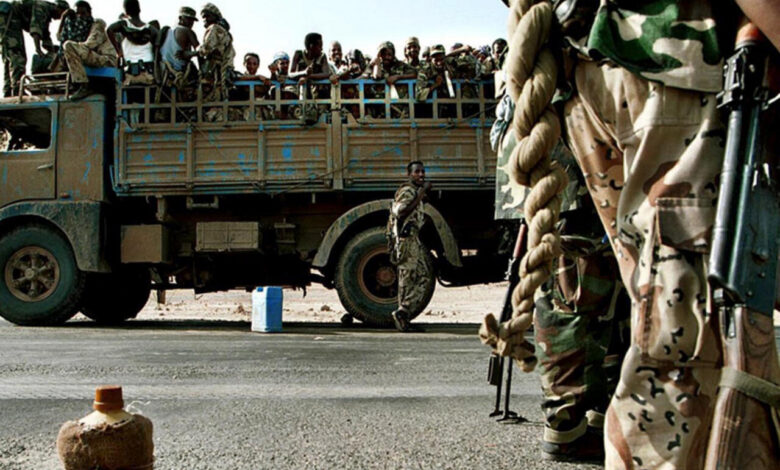
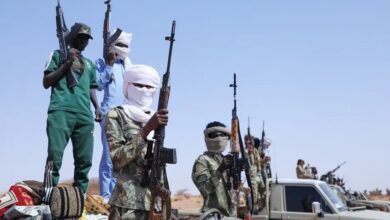
The involvement of fighters from Ethiopia’s Tigray region alongside Sudan’s army is among the most complex and sensitive aspects of the Sudanese conflict and its regional ramifications. As fighting intensifies on the southeastern fronts, reports have emerged of heavy personnel and equipment losses following the withdrawal of air defence systems from their positions. These developments raise fundamental questions about military coordination and risk management in the theatre of operations.
Modern Warfare and the Importance of Air Protection
Contemporary military confrontations, particularly across open terrain such as Sudan’s, depend heavily on air superiority, drones, and long-range artillery. In this environment, air defence systems provide the principal shield protecting ground forces deployed on the front lines from direct attack. Without that protection, infantry units and military vehicles are left fully exposed to aerial surveillance and precision strikes.
Battlefield accounts indicate that sectors where groups of Tigrayan fighters were deployed experienced an unprecedented intensification of enemy air operations and drone attacks. In this high-risk environment, the withdrawal of Sudanese army air defence units reportedly created a deadly defensive gap, leaving the fighters exposed without effective means of repelling aerial attacks.
Reasons for the Withdrawal and Its Battlefield Consequences
Several explanations have been offered for the withdrawal of air defence systems from Tigrayan positions. Some observers attribute it to the Sudanese army’s limited inventory and the urgent need to redeploy systems to protect strategic centres, major cities and vital infrastructure. Others see tactical calculations and an allocation of responsibilities favouring the preservation of the regular army’s specialised capabilities on other fronts.
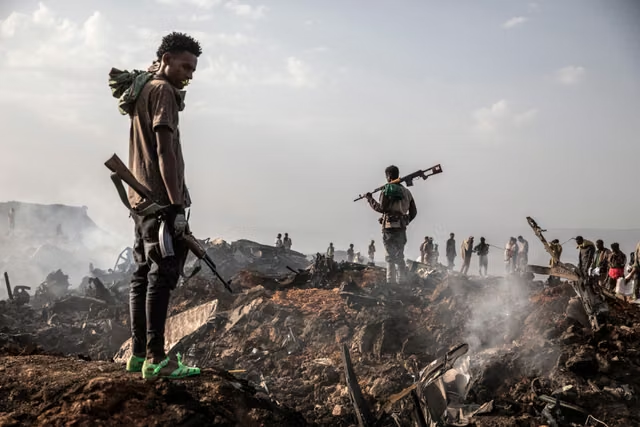
Whatever the reasons, the immediate consequences were reportedly catastrophic for Tigrayan fighters. According to converging sources, their positions came under intense aerial and artillery bombardment, leaving hundreds dead or wounded and destroying combat equipment. This rapid attrition exposed the vulnerability of forces fighting an unequal battle without even basic protection and fire support.
A Crisis of Trust Erodes Battlefield Alliances
The consequences extend beyond military losses to the foundations of the relationship between Sudan’s army and its battlefield allies. Informal or cross-border military alliances generally rest on reciprocal benefits and mutual protection. When one party believes its partner is abandoning it at critical moments or stripping away essential defensive capabilities, a profound crisis of trust can quickly surface.
The heavy losses suffered by Tigrayan forces have generated resentment and anger among fighters and field commanders. Drawing on extensive combat experience from previous wars, they recognised that remaining in positions exposed to aerial attack meant certain attrition without military benefit.
The withdrawal of air defences therefore reportedly became more than a tactical measure. It marked a major turning point that shook joint coordination and paved the way for open fractures within the alliance fighting alongside the Port Sudan authorities.