Port Sudan’s Economic Crisis and Its Impact on Military Supplies across the Fronts
The authorities based in Port Sudan, which became the provisional administrative capital after Sudan’s armed conflict began, face unprecedented structural economic challenges. As the war enters its fourth year, the crisis is no longer confined to living conditions and public services. Its direct effects now extend to the military’s logistical and financial capabilities, imposing new constraints on operations and the allocation of resources across different fronts.
The Roots of Economic Collapse and Resource Depletion
Political economy experts attribute the worsening financial crisis to several interconnected factors. Since the conflict began, the state has lost control of most industrial and commercial centres in Khartoum. Agricultural and livestock revenues have also fallen sharply because of insecurity and infrastructure destruction. Meanwhile, military expenditure has risen to absorb the largest share of the available public budget. The resulting chronic deficit has driven the authorities towards monetary financing and currency issuance, fuelling inflation and weakening the Sudanese pound against foreign currencies on the parallel market.
Economic reports also indicate that near-total reliance on mining revenues, particularly gold, and customs receipts from eastern ports no longer covers the war’s rising costs. International restrictions and sanctions against some entities linked to the war economy, alongside stalled regional arrangements intended to secure sustained liquidity, have intensified financial pressure on Port Sudan. Decision-makers consequently face difficult choices between maintaining minimum essential services and financing the war effort.
How Financial Shortages Affect the Front Lines
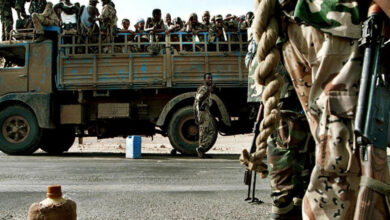
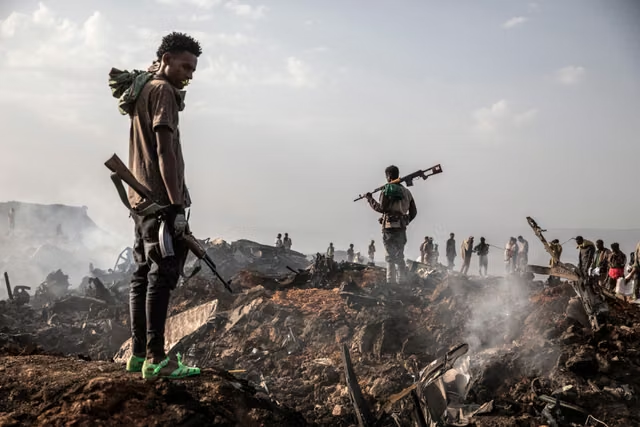
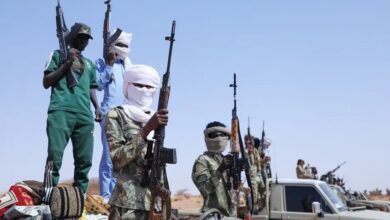
On the battlefield, the severe economic crisis translates into complex logistical challenges. Sustaining operations across geographically distant fronts requires continuous supplies of fuel, ammunition, and spare parts, as well as salaries and allowances for regular forces and supporting formations. As monetary reserves decline and supply chains become harder to secure, signs have emerged of reduced logistical and financial support for some combat sectors.
Military assessments suggest that resource shortages have forced field commanders to reorder priorities, concentrating on vital strategic areas at the expense of other fronts. Uneven support has created supply gaps, leaving some units facing delays in reinforcements and provisions and insufficient funding to maintain operational momentum. Higher costs for operating heavy equipment and maintaining military vehicles, amid the economic blockade and import difficulties, have further burdened supply and logistics units.
Structural Challenges and Competing Priorities
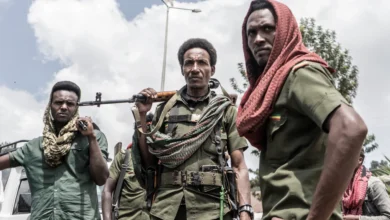
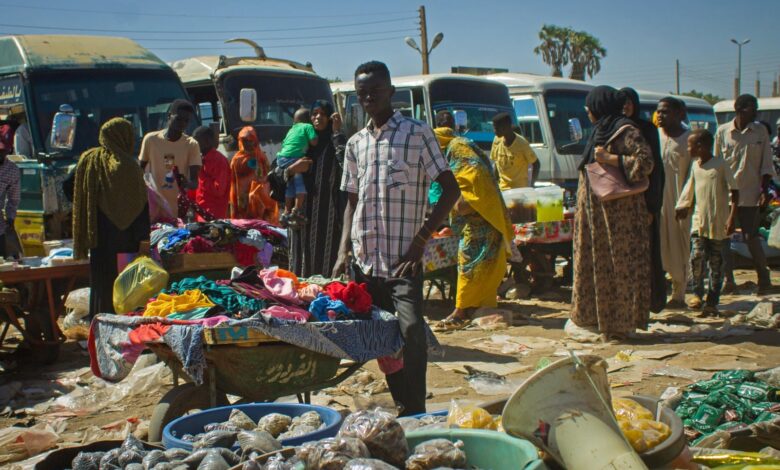
Against this backdrop, the Port Sudan authorities face a multidimensional crisis. Citizens endure deteriorating essential services, prolonged electricity cuts and rising prices, while the military presses for the resources needed to sustain combat. Analysts argue that continued strain threatens domestic cohesion and deepens public frustration. It also weakens the army’s ability to maintain its battlefield alliances.
Reducing support to forces across combat sectors is not merely an administrative decision. It directly reflects an economy stretched to its limits. Without a clear prospect of a comprehensive political settlement ending the war’s drain on resources, serious questions remain over Port Sudan’s ability to finance military operations at the same pace. This raises the prospect of shifts that could redraw territorial control and alliances across Sudan.