Five Nutritious Alternatives to Milk That Can Help Strengthen Bones
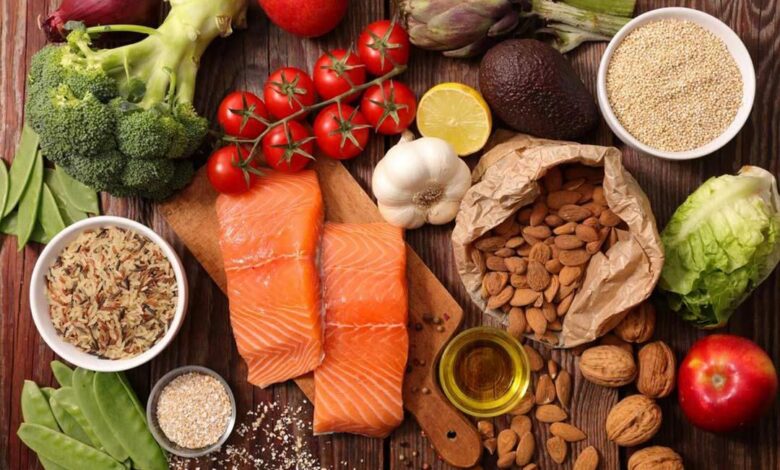
Milk has long been regarded as an important food for maintaining healthy bones, largely because of its calcium and protein content. However, dairy products are not the only way to obtain the nutrients needed to support the skeletal system. People who avoid milk because of personal preferences, lactose intolerance, or other dietary considerations can rely on several alternative foods to help maintain bone strength.
Healthy bones depend on a combination of essential nutrients, including calcium, vitamin D, protein, magnesium, phosphorus, and vitamin K. These nutrients contribute to bone formation, tissue renewal, and the maintenance of skeletal strength throughout life.
As people grow older, preserving bone mineral density becomes increasingly important. A varied diet combined with regular physical activity can help slow bone loss and reduce the risk of skeletal fragility. Here are five nutritious alternatives to milk that can contribute to better bone health.
1. Leafy green vegetables: A valuable plant-based source of calcium
Certain green vegetables are excellent options for people looking to increase their calcium intake without relying on dairy products. Kale, broccoli, bok choy and some varieties of cabbage provide meaningful amounts of this essential mineral.
Their nutritional benefits extend beyond calcium. These vegetables also contain vitamin K, which plays a role in regulating proteins involved in bone metabolism. They additionally provide dietary fiber, antioxidants and several vitamins that support overall health.
However, not all vegetables offer calcium in the same way. Spinach, for example, contains calcium, but its absorption is relatively limited because of its high oxalate content. Kale and broccoli generally provide calcium that is more readily absorbed by the body.
Including these vegetables regularly in salads, soups and side dishes can help diversify the diet and provide nutrients that contribute to maintaining strong bones.
2. Fortified plant-based drinks: A convenient dairy alternative
Plant-based drinks made from soy, almonds or oats have become popular alternatives to conventional milk. Nevertheless, their nutritional composition can vary considerably depending on the brand and manufacturing process.
Fortified varieties containing calcium and vitamin D can help meet some of the body’s daily nutritional requirements. Certain products are also enriched with vitamin B12, which is particularly useful for people following fully plant-based diets.
Soy milk offers an additional nutritional advantage because it generally contains more protein than almond or oat drinks. Protein contributes to muscle maintenance and also plays an important role in supporting bone health.
When choosing a plant-based drink, it is advisable to select unsweetened products fortified with calcium and vitamin D. Consumers should also shake the container before drinking, as added minerals may settle at the bottom.
3. Fatty fish and fish eaten with their bones
Fish represents another valuable food category for maintaining healthy bones. Sardines and salmon, in particular, provide several nutrients that contribute to skeletal health.
Sardines eaten with their soft, edible bones are a natural source of calcium. They also provide high-quality protein and omega-3 fatty acids, which are associated with cardiovascular benefits and anti-inflammatory properties.
Salmon, meanwhile, is particularly valuable because of its vitamin D content. This vitamin plays an essential role in intestinal calcium absorption and helps maintain appropriate calcium levels in the bloodstream.
Regularly including fatty fish in a balanced diet can therefore provide several complementary nutrients. People who do not eat fish can obtain vitamin D and calcium from other dietary sources, depending on their nutritional needs.
4. Almonds and seeds: Small foods packed with essential minerals
Almonds, sesame seeds, chia seeds, and pumpkin seeds can also contribute to maintaining healthy bones. Despite their small size, these foods contain several minerals that support normal skeletal function.
Almonds provide calcium, magnesium, phosphorus, and plant-based protein. Magnesium is involved in vitamin D metabolism and helps regulate calcium balance within the body.
Sesame seeds, particularly when consumed as tahini, can also provide calcium. Chia seeds contain calcium, phosphorus, and omega-3 fatty acids, making them another useful addition to a balanced diet.
These foods are easy to incorporate into everyday meals. A handful of almonds as a snack, seeds sprinkled over a plant-based yogurt, or a spoonful of tahini added to a dish can help improve dietary variety.
However, portion sizes should be considered because nuts and seeds are relatively high in calories.
5. Legumes: Essential proteins and minerals for bone health
Lentils, chickpeas, beans and other legumes are another valuable food group for supporting healthy bones.
They provide plant-based protein, magnesium and phosphorus, as well as varying amounts of calcium depending on the type. They are also rich in dietary fiber, which supports digestive health and contributes to overall dietary balance.
Soy deserves particular attention. Tofu prepared with calcium salts can be a useful source of this mineral. However, its calcium content varies according to the manufacturing process and the product’s formulation.
Legumes also have the advantage of being affordable, versatile and easy to incorporate into different meals. They can replace some animal-based protein sources while providing nutrients that contribute to maintaining skeletal strength.
Beyond diet: Lifestyle habits that protect bones
Although nutrition plays a fundamental role in maintaining bone health, it is not the only determining factor. Physical activity, particularly weight-bearing exercises such as walking, dancing and climbing stairs, stimulates bone tissue and helps preserve bone density.
Vitamin D also deserves special attention because it facilitates calcium absorption. Reasonable exposure to natural daylight, dietary sources of vitamin D and, when necessary, supplementation under medical guidance can help maintain adequate levels.
Avoiding smoking and limiting excessive alcohol consumption are also important measures, as both habits can negatively affect bone health.
Nutritional requirements vary according to age, sex, health status and different stages of life. Older adults, postmenopausal women and individuals with risk factors for osteoporosis should pay particular attention to their calcium and vitamin D intake.
A varied diet for stronger bones
Milk is not the only option for maintaining a strong skeletal system. Green vegetables, fortified plant-based drinks, fish, almonds, seeds and legumes all offer different ways to obtain nutrients essential for bone health.
The key is to diversify food choices and combine several complementary sources of nutrients. A balanced diet, regular physical activity, and healthy lifestyle habits provide a sustainable approach to preserving bone density and supporting healthier aging.