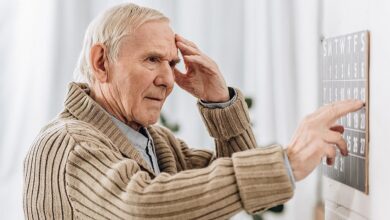
Parkinson’s Disease Symptoms Differ Between Men and Women: Key Differences and Medical Implications
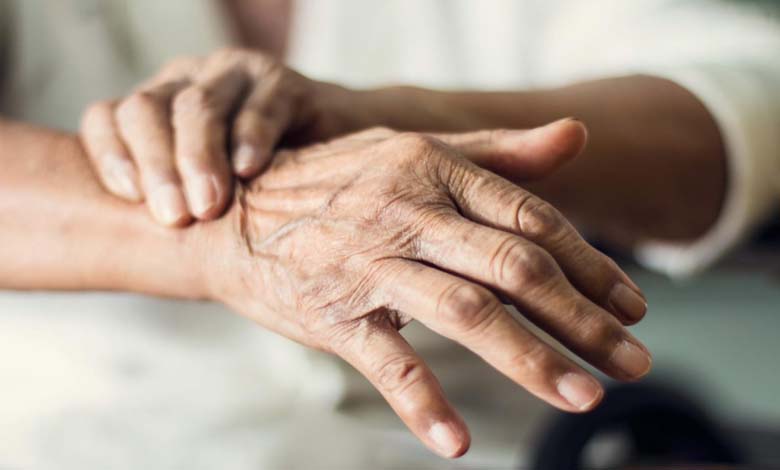
Parkinson’s disease is one of the most common neurodegenerative disorders worldwide. It progressively affects the central nervous system and leads to impairments in movement control, balance, and various neurological functions. Although the condition is commonly associated with classic motor symptoms such as tremors, muscle rigidity, and slowed movements, recent scientific research indicates that its manifestation can vary significantly depending on several biological factors, including sex.
A growing number of studies suggest that men and women do not experience Parkinson’s disease in the same way. Differences may involve the age of onset, the dominant symptoms, disease progression, and response to treatment. These variations highlight the importance of a more personalized medical approach to managing this neurological disorder.
Understanding Parkinson’s disease
Parkinson’s disease is primarily characterized by the progressive degeneration of dopaminergic neurons located in a region of the brain known as the substantia nigra. These nerve cells produce dopamine, a neurotransmitter essential for coordinating movement, motivation, and certain cognitive functions.
As these neurons gradually deteriorate, dopamine production declines. This reduction disrupts brain circuits responsible for motor control and leads to the characteristic symptoms of the disease.
Although the exact cause of Parkinson’s disease remains only partially understood, researchers agree that it likely results from a complex interaction of genetic, environmental, and biological factors. Among these biological influences, hormonal differences between men and women appear to play an important role.
Differences in disease prevalence
Epidemiological data indicate that Parkinson’s disease is generally more common in men than in women. Some studies suggest that men may have approximately one and a half times greater lifetime risk of developing the condition.
Researchers believe this difference may partly be linked to the protective effects of certain female hormones, particularly estrogens. These hormones appear to have beneficial effects on nerve cells and may help slow certain neurodegenerative processes.
However, this hypothesis continues to be investigated, as other factors such as occupational exposure to toxins or lifestyle differences could also contribute to this disparity between the sexes.
Differences in motor symptoms
Motor symptoms are the most visible manifestations of Parkinson’s disease. They primarily include resting tremors, muscle rigidity, bradykinesia, which refers to slowed movement, and balance difficulties.
In men, tremors are often among the earliest signs of the disease. Male patients tend to experience more pronounced and earlier tremor symptoms during the course of the illness.
In women, motor symptoms may appear somewhat differently. Some studies suggest that women may experience a slightly slower progression of muscle rigidity and overall motor impairment. However, they may be more vulnerable to certain long-term treatment-related motor complications.
Differences in non-motor symptoms
Parkinson’s disease is not limited to movement disorders. It can also cause a wide range of non-motor symptoms that significantly affect patients’ quality of life.
These symptoms include sleep disturbances, depression, anxiety, chronic fatigue, cognitive impairment, and changes in the sense of smell.
Research indicates that women with Parkinson’s disease more frequently report certain non-motor symptoms, particularly depression, anxiety, and sleep disorders. These symptoms may sometimes appear even before the first motor signs of the disease become evident.
In men, cognitive decline and certain difficulties related to executive functions may become more pronounced during disease progression.
Differences in treatment response
Sex-related differences may also influence how patients respond to treatment. The primary treatment for Parkinson’s disease generally involves medications designed to increase dopamine levels in the brain or mimic the action of this neurotransmitter.
Some studies suggest that women may be more sensitive to certain dopaminergic medications. This increased sensitivity may result in strong therapeutic effects but also a higher risk of side effects such as dyskinesia, which refers to involuntary abnormal movements.
Men, on the other hand, may display slightly different treatment responses due to metabolic and hormonal variations. These differences highlight the importance of adjusting treatment doses and therapeutic strategies to each individual patient.
Hormonal influences
Sex hormones likely play an important role in the differences observed between men and women with Parkinson’s disease. Estrogen, in particular, may have potential neuroprotective effects.
Some research suggests that these hormones could help protect dopaminergic neurons from damage caused by oxidative stress and inflammation. This may partly explain why women sometimes develop the disease later in life compared with men.
However, after menopause, declining estrogen levels may reduce this protective effect, potentially influencing disease progression in some female patients.
The importance of personalized medicine
Recognizing the differences between men and women in the manifestation of Parkinson’s disease represents an important advancement for medical research and clinical practice.
A better understanding of these variations could lead to more precise diagnostic strategies and more tailored treatments that address the specific needs of each patient.
Personalized medicine, which considers individual biological characteristics, is increasingly viewed as one of the most promising approaches for improving the management of chronic neurological diseases.
Conclusion
Parkinson’s disease manifests differently in men and women in terms of prevalence, symptom patterns, and treatment responses. Men generally have a higher risk of developing the disease and often present with more pronounced tremors. Women, on the other hand, more frequently report certain non-motor symptoms such as depression, anxiety, and sleep disturbances.
These biological and clinical differences emphasize the importance of individualized medical approaches in the diagnosis and treatment of Parkinson’s disease. Continued research into the influence of sex and hormones on neurodegenerative diseases may help improve therapeutic strategies and enhance patients’ quality of life in the long term.