How do gut bacteria influence cravings for sugar and fat? A scientific analysis of the microbiome and its interaction with the brain
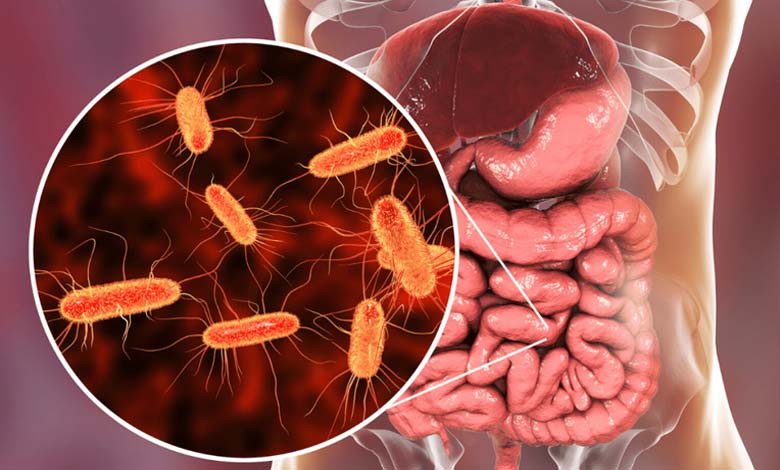
In recent years, the gut microbiome has emerged as a central player in human physiology, influencing not only digestion but also immune function, metabolism, and even eating behavior. One of the most intriguing findings is the possibility that certain gut bacteria may modulate food cravings, particularly for sugar and fat. This hypothesis, supported by a growing body of research, raises fundamental questions about the relationship between diet, microorganisms, and the brain.
-
Why is maintaining weight more difficult than losing it? A biological, psychological, and behavioral analysis
-
The Best Times to Eat Fruit for Boosting Energy and Supporting Weight Loss
The gut microbiome: a complex ecosystem
The gut microbiome refers to the collection of microorganisms residing in the digestive tract, primarily in the colon. It consists of billions of bacteria belonging to hundreds of different species, forming a dynamic and evolving ecosystem.
This ecosystem plays a crucial role in nutrient digestion, vitamin synthesis, and protection against pathogens. However, its influence extends far beyond these traditional roles, particularly through its close interaction with the nervous system.
-
How Fatigue Drives You Toward Foods That Accelerate Aging: Mechanisms and Implications
-
When Fasting Becomes a Golden Opportunity for Your Health
The gut-brain axis: bidirectional communication
The connection between the gut microbiome and the brain is mediated by the gut-brain axis, a complex communication network involving the nervous system, immune system, and chemical messengers.
Gut bacteria can produce or modulate neurotransmitters such as serotonin, dopamine, and gamma-aminobutyric acid. These substances influence mood, motivation, and eating behavior.
Additionally, the vagus nerve provides a direct communication pathway between the gut and the brain, allowing microbial signals to affect neural circuits related to reward and appetite.
-
Mental Hunger: How Does the Desire for Food Develop?
-
How Long Does Nicotine Stay in Your Body? A Comprehensive Analysis of Effects and Elimination
Mechanisms underlying food cravings
Some hypotheses suggest that gut bacteria may influence dietary preferences based on their own energy requirements. For instance, bacterial populations that thrive on sugar may promote signals that encourage the host to consume more simple carbohydrates.
These signals may involve the production of specific metabolites, modulation of hunger and satiety hormones, or direct influence on the brain’s reward circuits.
Similarly, a high-fat diet may promote the growth of certain bacterial species, which in turn may reinforce cravings for fatty foods.
-
The Brain’s Appetite for Junk: A Side Effect of Sleep Loss
-
“Miracle Berry”: Exploring Its Health Benefits, Taste-Altering Properties, and Potential Risks
Role of microbial metabolites
Gut bacteria produce a variety of metabolites, including short-chain fatty acids, which play a key role in regulating metabolism and appetite.
These molecules can influence the secretion of gut hormones such as ghrelin and peptide YY, which regulate hunger and satiety, respectively. Disruptions in this balance may lead to increased cravings, particularly for energy-dense foods.
Impact of microbiome imbalance
An imbalance in the gut microbiome, known as dysbiosis, may amplify unhealthy eating behaviors. Diets high in refined sugars and saturated fats can promote the growth of certain bacteria at the expense of microbial diversity.
This dysbiosis may reinforce cravings for the same types of foods, creating a self-perpetuating cycle. It is also associated with metabolic disorders such as obesity and type 2 diabetes.
-
6 keys Tools to taking care of your microbiome
-
Adjusting Diet After 45: A Strategic Lever for Longevity
Influence on the reward system
The human brain contains a reward system that reinforces behaviors beneficial for survival. Foods high in sugar and fat strongly activate this system, releasing dopamine and generating pleasure.
The microbiome may modulate this response by influencing the sensitivity of neural circuits. Certain bacteria may enhance the reward response associated with these foods, increasing their appeal.
Individual variability and influencing factors
It is important to note that the influence of the microbiome on food cravings varies significantly between individuals. This variability depends on baseline microbiome composition, diet, lifestyle, and genetic factors.
As a result, two individuals exposed to the same dietary environment may develop different food preferences based on their microbiome.
-
Low-carbohydrate diets may increase the risk of heart disease: scientific explanation
-
Gut Health After 40: The Changes You Need to Know
Future perspectives and practical implications
Research on the microbiome offers promising avenues for regulating eating behavior. Targeted interventions, such as increasing dietary fiber intake, using probiotics, or diversifying food choices, may help rebalance the microbiome and reduce excessive cravings for sugar and fat.
However, these approaches still require further scientific validation before being widely recommended.
The gut microbiome may play a significant role in shaping food cravings by influencing the biological mechanisms linking the gut and the brain. While scientific evidence continues to grow, this relationship remains complex and multifactorial.
Understanding these interactions opens new possibilities for improving dietary habits and metabolic health. A holistic approach, combining balanced nutrition and healthy lifestyle practices, remains essential for maintaining a beneficial microbiome and healthy eating behavior.
-
How Root Canal Treatment Contributes to Heart Health
-
Probiotics: The Hidden Tool to Protect Your Gut from Medication-Induced Damage
-
Can DNA Reveal the Risk of Diabetes and Heart Disease?