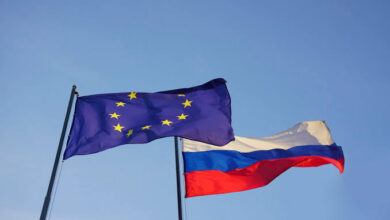
A rift within NATO reverberates among allies: nuclear deterrence on the table between France and Poland
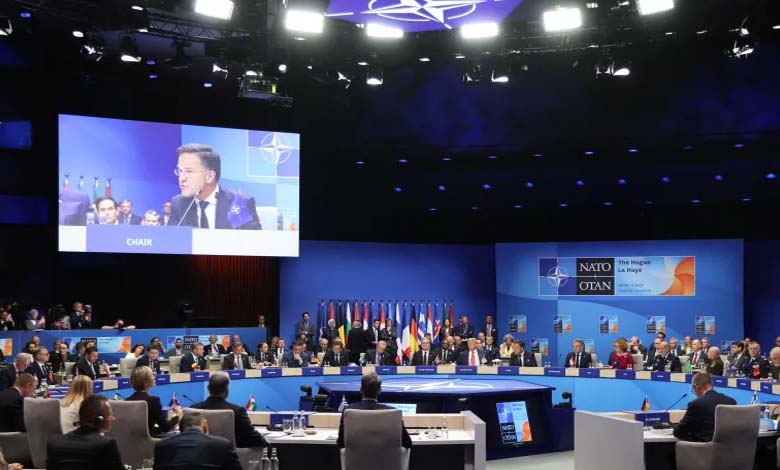
French President Emmanuel Macron is meeting Polish Prime Minister Donald Tusk on Monday in Gdańsk to formalize a bilateral strategic rapprochement, particularly in the field of nuclear deterrence.
This comes at a time of uncertainty within the North Atlantic Treaty Organization and one year ahead of pivotal elections in both countries.
The meeting follows the enhanced Franco-Polish friendship and cooperation treaty signed on May 9, 2025, in Nancy, which elevated Poland to the rank of France’s closest allies, alongside Germany, Italy, and Spain.
The French nuclear deterrence “umbrella” project will also be discussed. Emmanuel Macron has proposed involving eight European countries, including Poland, under various arrangements, while retaining the final decision on the use of nuclear weapons in French hands.
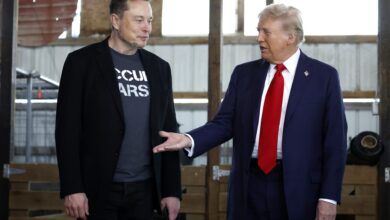
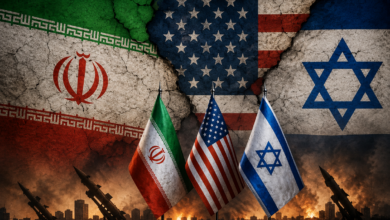
European security stakes are rising amid doubts about solidarity within NATO, heightened by tensions with U.S. President Donald Trump regarding Iran, as well as the Russian military threat on Europe’s doorstep after four years of war in Ukraine.
On Friday, Donald Tusk said: “President Macron and I share very close views on how to build Europe’s power (…) and the sovereignty of Poland, France, and Europe, and on how to cooperate in the field of security, including the use of France’s nuclear capabilities.”
For its part, the French presidency welcomed “a strengthened strategic rapprochement and affinity.”
As a sign of this understanding, Tusk chose to host the meeting in his hometown, a city symbolizing Europe’s twentieth-century transformations on the Baltic coast: from its occupation by Nazi Germany in 1939 to the rise of the Solidarność trade union in its shipyards, embodying the struggle against Soviet dominance.
In his proposal for “enhanced” deterrence on March 2, Emmanuel Macron also expressed his desire for a “conventional participation of allied forces” in French nuclear activities, including joint strike exercises.
“Conventional support”
The Élysée stated that “one of the objectives of this meeting will be to continue this discussion,” noting that this “conventional support” could include “early warning, air defense, and deep strikes.”
However, despite the warming of relations between Poland and France after years of stagnation under the nationalist Law and Justice government, Poland “remains fundamentally very attached to its relationship with the United States,” according to a country expert quoted by Agence France-Presse.
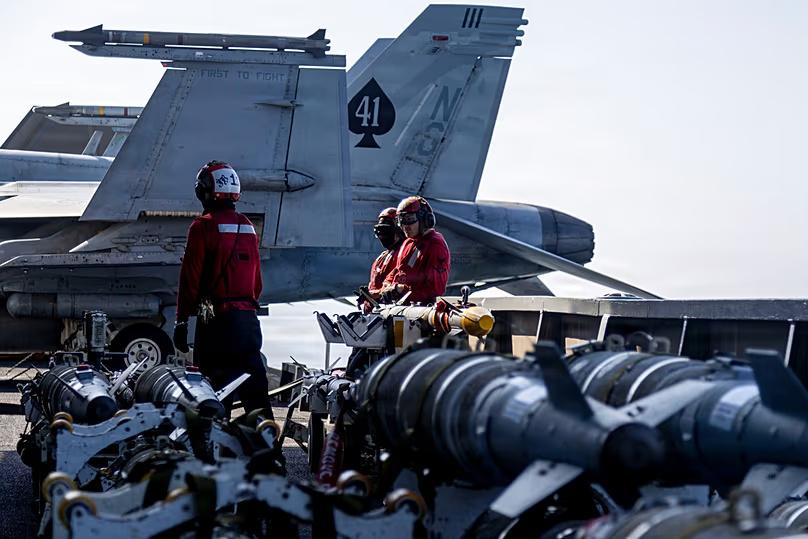
A European diplomat stressed that “the Polish defense system relies heavily on American weaponry,” recalling that Poland, engaged in a rapid modernization of its armed forces, has signed “major contracts” to acquire F-35 Lightning II fighter jets, AH-64 Apache attack helicopters, Patriot missile system missiles, and M1 Abrams tanks.