Hebrew media: Israel draws three field lines in southern Lebanon
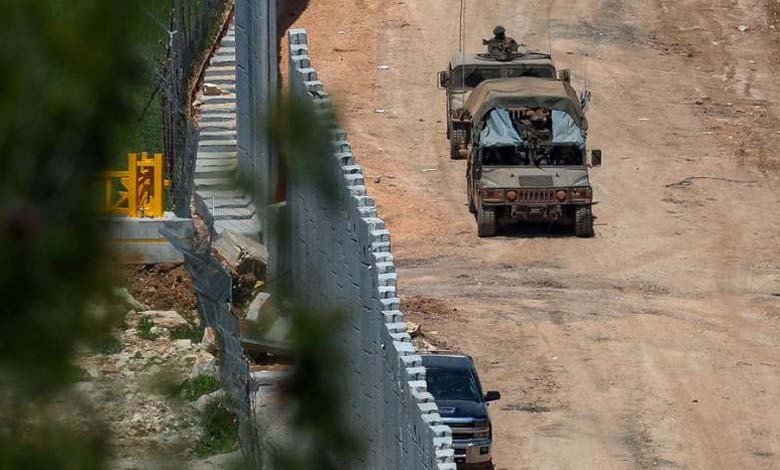
The Israeli army is preparing, through the drawing of these lines, for a sustained presence in the areas it controls, calling on southern residents to avoid zones declared off-limits.
Indicators are mounting that the division of areas under Israeli control in southern Lebanon into three field zones is not limited to temporary security considerations, but reflects a move toward entrenching a long-term presence in those areas, according to Hebrew media following the ceasefire agreement with Beirut. The warning issued by Israeli forces to Lebanese civilians not to approach areas described as prohibited is seen, according to these sources, as evidence of this approach.
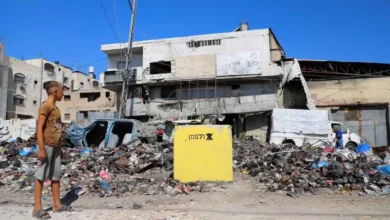
According to what was reported by Yedioth Ahronoth, the Israeli army reorganized its deployment into three geographical layers extending from the border strip into the Lebanese interior. The first zone, referred to as the “red line,” includes villages directly adjacent to the border, where infrastructure and buildings suffered extensive destruction during recent operations, while Israeli forces established fixed positions at several points.
The “yellow line” lies between six and ten kilometers inside Lebanese territory, where a continued military presence is maintained amid intermittent friction, particularly around the town of Bint Jbeil, considered one of the main strongholds of Hezbollah. This deployment, according to estimates, reflects a desire to impose field control preventing any direct threats to northern Israel.
The third zone extends to the Litani River, approximately 30 kilometers from the border, where the Israeli army relies on dense observation points and the use of firepower to reinforce its presence without large-scale ground deployment.
Although no immediate official comment was issued by the Israeli army, available data indicate that the width of the deployment zone could reach around ten kilometers and include dozens of villages. These arrangements are viewed as part of a strategy aimed at preventing rocket fire toward northern Israel.
On Monday, the Israeli army warned residents of southern Lebanon not to move south of a defined line of villages or approach areas near the Litani, affirming that its forces remain deployed in the region during the ceasefire period due to what it described as continued Hezbollah activity.
In a statement, army spokesperson Avichay Adraee urged Lebanese civilians not to return to several border villages until further notice, citing security risks.
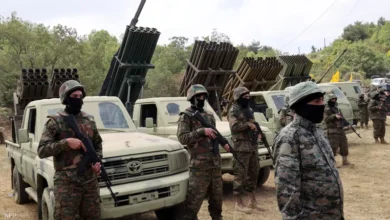
Hezbollah announced on Monday morning that it had destroyed four Israeli tanks in southern Lebanon in response to what it described as violations of the ceasefire declared since last Thursday by Tel Aviv.
In a statement, the group said that the “Israeli occupation forces” committed on Sunday a new violation adding to “a series of blatant and documented violations” of the ceasefire, noting that an Israeli military convoy of eight armored vehicles was moving from the town of Taybeh toward the old Al-Sallaa site in Deir Seryan when it was hit by explosive devices previously planted by its fighters.
It added that the explosion occurred in two stages and resulted in the “destruction of four Merkava tanks, in which flames were seen, before the enemy withdrew them from the site of the incident.”
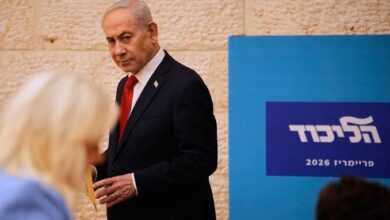
In the same context, Prime Minister Benjamin Netanyahu had spoken about establishing an “enhanced security zone” stretching from the Mediterranean Sea to the Syrian border, reinforcing speculation that the current arrangements may turn into a lasting reality beyond the temporary ceasefire framework.
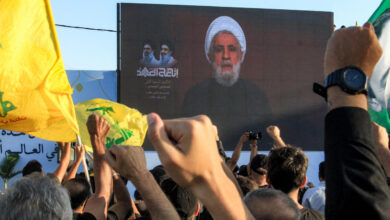
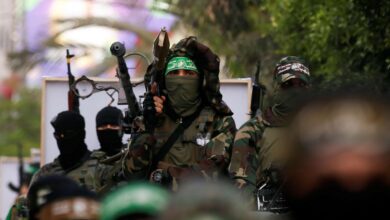
Hezbollah Secretary-General Naim Qassem stressed that the group’s members would remain in the field “with their hands on the trigger,” indicating the possibility of a return to fighting and calling for the withdrawal of Israeli forces from areas seized during the latest round of war.
U.S. President Donald Trump had announced on Thursday evening a ceasefire agreement in Lebanon for a period of ten days, effective from midnight between Thursday and Friday, Tel Aviv and Beirut time.
This follows 45 days of Israeli attacks on Lebanon that began on March 2, resulting, according to the latest official data, in more than 2,294 deaths and 7,544 injuries, as well as the displacement of more than one million people.
Israel had previously launched a war on Lebanon in October 2023, followed by a ceasefire announced in November of the following year, which Tel Aviv repeatedly violated before expanding its military operations again on March 2.