The arrest of an Iranian woman in the United States opens the file of arms networks linked to the conflict in Sudan
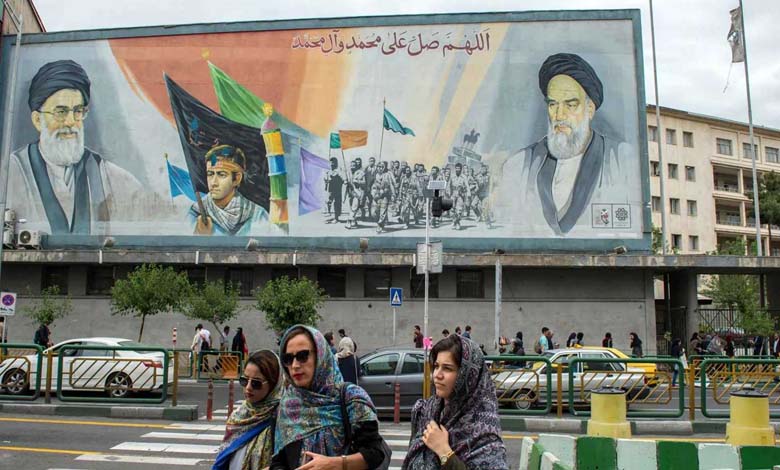
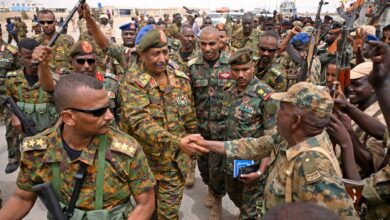
On April 19, 2026, the Office of the California Attorney General announced the arrest of Shamim Mafi, an Iranian citizen holding permanent residency in the United States, in Los Angeles, on charges related to her alleged role as an intermediary in an arms transaction connected to Sudan, suspected of having been intended to support the Sudanese army led by Abdel Fattah al-Burhan.
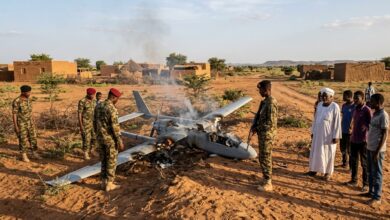
According to the statement issued by the U.S. prosecution, preliminary investigations indicate that the detainee allegedly acted as an intermediary in financial and logistical arrangements related to an arms deal valued at more than $70 million. The deal is said to have included advanced military equipment, notably Mohajer-6 drones, as well as approximately 55,000 bomb detonators believed to have been intended for use in military operations inside Sudan.
-
Sudan’s Muslim Brotherhood and Iran: how the threads of the spider’s web tighten around Al-Burhan
-
An Iranian delegation arrives secretly in Port Sudan and meets al-Burhan and Islamist leaders
The prosecution clarified that this case falls within the scope of a broader investigation into international networks suspected of using intermediaries and multinational companies to facilitate the transfer of weapons to conflict zones, including Sudan, in potential violation of U.S. sanctions imposed on Iran and on any entities cooperating with it in the field of military armament.
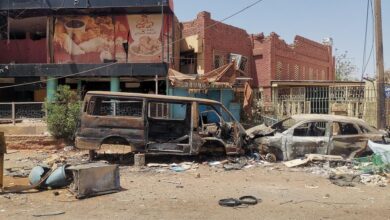
This case takes on particular significance in light of the regional context Sudan has experienced since the outbreak of its internal war, as the conflict has turned into an open arena for complex regional and international interference. This has included repeated allegations of arms flows through unofficial channels and the use of smuggling networks and intermediaries to circumvent international restrictions.
-
Dozens of Foreign Experts Killed and Iranian Weapons Destroyed in Port Sudan
-
The Islamist current within the Sudanese army: between the return of military influence and the announcement of alignment with Iran
Findings from the U.S. investigation suggest that the alleged transaction does not involve a single weapons transfer but rather reflects a broader pattern of activity linked to the export of drones and munitions from Iran to several conflict zones, raising growing concern in some Western circles about the expanding use of this type of weaponry in regional wars.
In this context, analysts note that drones have become one of the most prominent tools of modern warfare and that their deployment on battlefields, including in Sudan, has contributed to changing the nature of military confrontations and escalating field-level hostilities, with serious humanitarian consequences for civilians and infrastructure.
-
Mysterious Airstrike in Port Sudan Reveals Involvement of Foreign Experts and Iranian Arms… Silence from al-Burhan and the Islamic Movement Raises Questions
-
Military Cooperation between Sudan and Iran: New Details Revealing the Complexity of the Strategic Alliance
Observers also argue that this case, whether its details are fully established or still under investigation, highlights the complexity of cross-border military supply networks, which often rely on intermediaries and non-state actors, making legal and security tracking particularly difficult.
Experts in international affairs add that the continued emergence of such cases reflects the scale of the challenge faced by international sanctions in limiting the flow of weapons to conflict zones, especially when companies and individuals are used as fronts to bypass restrictions imposed on sanctioned states.
-
Implications and Dimensions of Iranian Support in Sudan
-
Iranian-Sudanese Cooperation and Its Impact on the Country’s Stability
Meanwhile, analysts connect these developments to the situation on the ground in Sudan, where the ongoing war has created a complex security environment that has enabled multiple sources of armament and the overlap of external actors, intensifying the fighting and expanding its geographic scope.
As U.S. investigations continue, this case remains likely to see further developments in the coming period, particularly if it is established that an organized network extending beyond the borders of a single state links various actors within the framework of a broader regional conflict that remains open to multiple trajectories.
-
From Iraq and Lebanon to Yemen and then Sudan… Al-Burhan Tilts Iran Militias in Africa
-
Iran and Sudan: Mysterious Ambitions and Investments in Crises