What is the effect of sparkling water on the taste of food? A sensory and physiological analysis
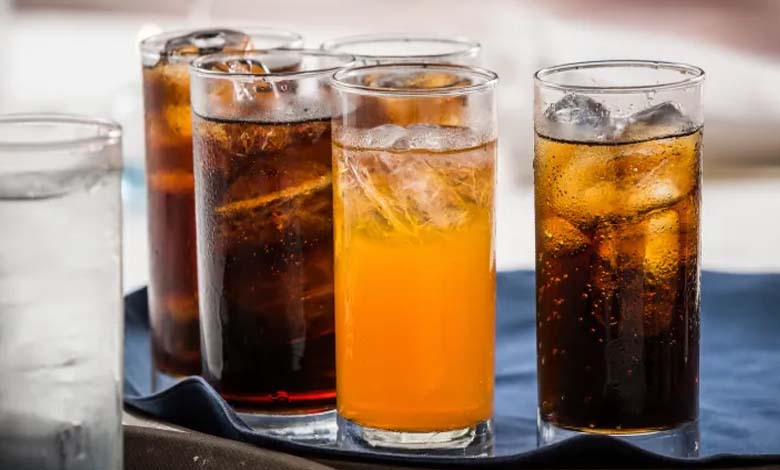
Sparkling water, often seen as a refreshing alternative to sugary drinks, has become increasingly popular in modern consumption habits. Beyond its hydrating properties, it has a unique influence on how food tastes. This interaction between beverage and food involves complex sensory mechanisms, including taste, smell, and mouthfeel.
Taste perception: a multisensory experience
Taste is not limited to the five basic flavors—sweet, salty, sour, bitter, and umami. It results from the interaction between taste buds, olfactory receptors, and trigeminal sensations.
Texture, temperature, and mechanical stimuli also contribute to this overall experience.
Characteristics of sparkling water
Sparkling water contains dissolved carbon dioxide, which forms carbonic acid when in contact with water. This reaction gives the drink its slightly acidic and effervescent character.
The bubbles create a distinctive tactile sensation, often described as fizzy or tingling.
Effect on taste buds
The acidity of sparkling water can influence the sensitivity of taste buds. It may enhance certain flavors, particularly acidity, while altering others, such as sweetness.
This interaction depends on the type of food and individual sensitivity.
Stimulation of the trigeminal system
Carbon dioxide also activates the trigeminal system, which is responsible for detecting chemical and physical sensations in the mouth.
This stimulation contributes to the tingling sensation and can modify overall food perception.
Influence on sweetness perception
Sparkling water may reduce the perception of sweetness for some individuals. This can make certain foods taste less sweet.
This effect may be perceived as beneficial or undesirable depending on personal preferences.
Enhancement of acidity and bitterness
Due to its acidity, sparkling water can amplify sour and bitter flavors. This interaction may alter the balance of flavors in food.
Some dishes may therefore taste more intense or more contrasted.
Effect on mouthfeel
The bubbles in sparkling water influence the perceived texture of food. They can create a sensation of lightness and freshness.
This interaction may enhance the sensory experience, especially with rich or fatty foods.
Role in palate cleansing
Sparkling water is often used to cleanse the palate between different dishes. Its bubbles and acidity help remove food residues.
This process allows for better appreciation of successive flavors during a meal.
Interaction with fatty foods
The effervescence of sparkling water can reduce the heaviness associated with fatty foods. It contributes to a more balanced perception of a meal.
This property explains its frequent use in culinary settings.
Individual variability
The perception of sparkling water’s effects varies from person to person. Factors such as taste sensitivity, dietary habits, and preferences influence the experience.
There is no universal response to its impact on taste.
Differences among types of sparkling water
Sparkling waters differ in mineral content and carbonation intensity. These variations influence how they interact with food.
Some may enhance certain flavors more than others.
Sparkling water has a notable influence on the perception of food taste by altering taste sensitivity, stimulating the trigeminal system, and affecting mouthfeel.
Its impact depends on multiple factors, including the type of food and individual characteristics. When used thoughtfully, it can enrich the sensory experience and transform how flavors are perceived.