The Colombian President and the New York Mayor: The Story of a Meeting Canceled Under Last-Minute Pressure
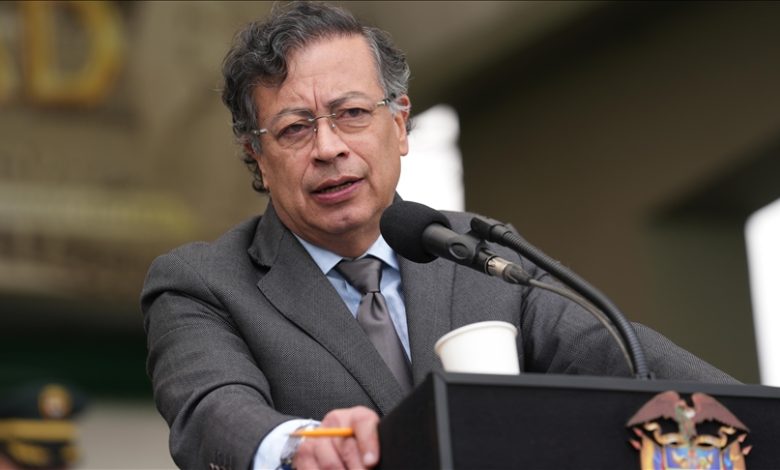
New York City Mayor Zohran Mamdani had planned to hold his first meeting with a foreign leader this week, but the encounter was canceled at the last moment.
Mamdani intended to meet Colombian left-wing President Gustavo Petro while the latter was in New York to participate in United Nations events.
However, the administration of U.S. President Donald Trump intervened and indirectly prevented the meeting, which had been scheduled for Friday, according to American and Colombian officials cited by the two newspapers.
As of now, the White House has not officially commented on the matter.
-
Trump fuels speculation over Netanyahu’s political future
-
Disinformation Campaign: Fake Documents and Dubious Videos in the Colombian Mercenaries Narrative
Moves That Led to the Cancellation
The New York Times reported that officials from the U.S. Embassy in Bogotá contacted Colombia’s Ministry of Foreign Affairs and informed it that “such a meeting could violate the conditions under which President Petro had been permitted to enter the United States.”
For the young New York mayor, the purpose of the meeting was to discuss democracy across the Americas, although many observers might have viewed it as evidence of Mamdani’s rise as a leader of the global left, according to sources cited by The Washington Post.
The newspaper stated that “the Colombian government quietly canceled the event following a meeting between American and Colombian officials in Bogotá.”
According to two individuals familiar with the matter, “U.S. State Department officials made it clear that the meeting was unacceptable,” a message that Colombian officials reportedly interpreted as a threat that Petro could be arrested if he proceeded with the plan.
-
Trump Promotes an Electoral Victory Over Iran and an Imminent Agreement
-
He Chose to Respond: Netanyahu Ignores Trump’s Calls and Strikes Iran
Reasons Behind the Cancellation
A State Department official told The Washington Post that the visit “would violate visa restrictions imposed by the United States on Petro following his statements last year criticizing U.S. support for Israel’s war in Gaza and urging American soldiers to disobey presidential orders.”
The official added that “a visa is a privilege, not a right. Anyone holding a U.S. visa may face its revocation if they come to the United States and irresponsibly encourage American troops to disobey the orders of the duly elected President of the United States.”
Colombia currently holds the rotating presidency of the United Nations Security Council for the month of June. Although the Trump administration revoked Petro’s visa last year because of his public statements, it continues to allow him to travel to the United Nations under the obligations of the United States as host nation of the organization’s headquarters.
-
Trump Separates the Peace Agreement with Iran from the Fate of Uranium
-
Dead Tweets Stir Controversy in U.S. Congress: Messages from Beyond the Grave
A source familiar with the planning said that Mamdani and Petro had intended to hold a private bilateral meeting followed by a public event focused on democracy in the Western Hemisphere.
Gustavo Petro, Colombia’s first left-wing president, has frequently exchanged criticism with Donald Trump. Petro accused Trump of being complicit in Israel’s war in Gaza, while Trump described Petro as “crazy” and “suffering from many mental problems.”
The two leaders nevertheless set aside their differences during a meeting at the White House in February, which Trump described as “great.”
Speaking to reporters afterward, Trump said: “He’s great. We got along extremely well.”
However, Petro’s criticism of deadly U.S. drone operations in Latin America, as well as U.S. efforts to remove Venezuelan President Nicolás Maduro from power, angered Secretary of State Marco Rubio, a strong opponent of left-wing movements in Latin America, about whom Petro remarked: “He doesn’t like me.”
-
Henry Kissinger and Latin America: 5 Sins That Changed the Course of History
-
A Ghost in the Sky Over Area 51: A New American Weapon?
-
From a security document to the dream of millions: the secrets of the American Green Card
-
Under pressure from American threats: signs of Iranian concessions to end the war
-
Doctrine 2026: The transformation of American security philosophy toward the ideological root of extremism