Washington pushes a plan to transfer Israeli-controlled areas to the Lebanese Army
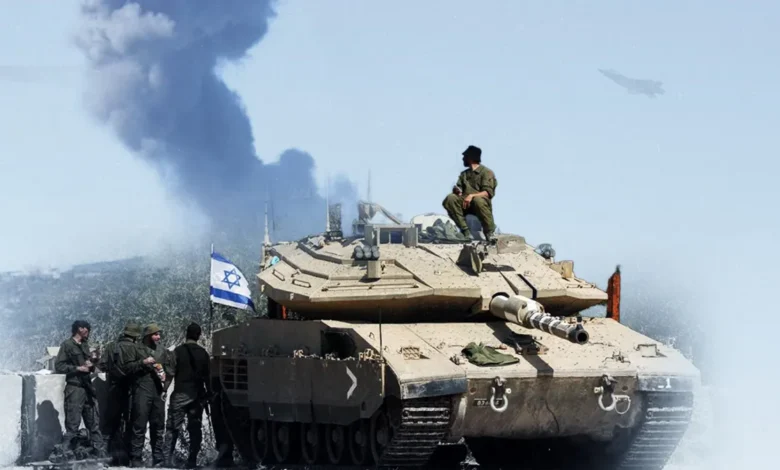
The Lebanese forces involved would undergo US-led training and vetting procedures to ensure they have no ties to Hezbollah, while Israel would maintain a military presence in the buffer zone in southern Lebanon.
Israeli and Lebanese officials have stated that talks between Israel and Lebanon include a US-backed proposal under which Israeli forces would transfer control of certain territories occupied during the war with Hezbollah to the Lebanese Army.
-
Escalation Continues Between Hezbollah and Israel Despite a U.S. Proposal for De-escalation
-
New Israeli tactic to Trap Hezbollah drones
They said that the Lebanese units participating in the arrangement would undergo training and screening by the United States to ensure that they are not linked to Hezbollah, while Israel would retain a military presence within the security buffer zone.
The proposed pilot project is currently being discussed during the latest round of negotiations between Lebanese and Israeli officials, which began in Washington on Tuesday. However, this diplomatic initiative has been rejected by Hezbollah and has lost some of its significance after Tehran made Lebanon a central component of its negotiations with the United States.
When asked about the Israeli officials’ remarks, a senior Lebanese security official confirmed that discussions are ongoing in Washington and that talks between the two militaries were scheduled for the day, including discussions concerning the pilot areas.
-
Israel threatens to strike Beirut in response to Hezbollah drones
-
Child recruitment: Hezbollah is undermining Lebanon’s future
The Lebanese official added that the negotiations would focus on establishing a withdrawal timetable and that no final plan is expected to emerge before the conclusion of the talks on Thursday.
These developments come despite Israeli Defense Minister Israel Katz’s declaration rejecting any withdrawal from several strategic locations, including Beaufort Castle, while insisting that Israeli forces would remain in the closed security zone despite pressure from Washington to end the conflict.
Lebanese officials maintain that direct negotiations with Israel represent the only viable path toward ending the war that has been ongoing since March 2, when Hezbollah launched rockets and drones against Israel in support of Iran, prompting extensive Israeli air and ground operations that have resulted in the deaths of more than 4,000 people in Lebanon.
-
Hezbollah’s drones are turning into a headache for the Israeli army
-
Hezbollah drones breach Israeli defenses despite the new interception system
However, four rounds of Lebanese-Israeli talks held since April have failed to produce a permanent ceasefire.
The current ceasefire between the two sides, established under a preliminary understanding between Tehran and Washington, has largely held since Sunday, even as Israeli forces remain deployed deep inside southern Lebanon, controlling areas that Israel has unilaterally designated as a “security zone,” arguing that they are necessary to protect northern Israel from Hezbollah attacks.
The temporary agreement signed last week between Iran and the United States calls for both countries and their allies to declare an immediate and permanent end to military operations on all fronts, including Lebanon, while guaranteeing the country’s territorial integrity and sovereignty.
The agreement has strengthened Hezbollah’s position while weakening that of the Lebanese state, whose leaders, including President Joseph Aoun, have repeatedly warned that Tehran cannot negotiate on behalf of Lebanon.
-
New alerts in Lebanon: Israel expands the scope of confrontation with Hezbollah
-
Surgical strikes against Hezbollah… U.S. pressure to restrain Israel in Lebanon
-
Hezbollah drones worry Israel
-
The United Nations documents war crimes in the confrontation between Israel and Hezbollah
-
Leaked Hezbollah footage from tunnels: teenagers as fuel for death
-
He will pay with his head: Israel escalates against Naïm Qassem and Hezbollah