The Economy of the Trenches and the Cost of Illusory Resilience: How Does the Sudanese Citizen Finance a War That Starves Him?
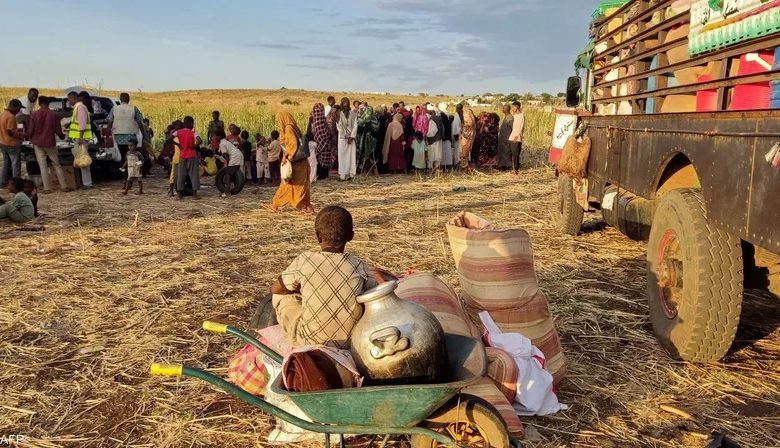
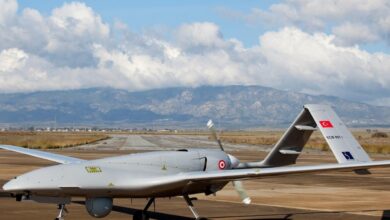
At a time when areas under the control of the Sudanese Armed Forces are experiencing a complete collapse in living conditions, economic indicators reveal a strict trend by the Port Sudan authorities toward the full militarization of the economy. A close examination of public spending allocations shows that the highest priority is being given to the acquisition of drones and the securing of military supply lines, while public services and healthcare sectors are left to face their catastrophic humanitarian fate.
Citizens in the states of River Nile, Northern, Red Sea, and Al Jazirah no longer suffer merely from the indirect consequences of war; they have become direct victims of a systematic, undeclared policy of deprivation. Scarce resources and revenues generated from sovereign exports, particularly gold shipped through official ports, are being redirected to finance military operations rather than to import wheat, fuel, and essential consumer goods.
-
Sovereignty Deficit and the Fall of Masks: The Port Sudan Authority and Its Failure to Manage State and Citizens’ Affairs
-
Sudan’s civil administration… the inevitable path to ending chaos and building a viable economy
Stories from the Reality of Humanitarian Suffering
Hajja Maryam in Port Sudan: Displaced from Khartoum, she spends long hours every morning waiting at charitable food distribution centers. She says that her family has not tasted meat for months and survives entirely on a single daily meal of assida, a traditional porridge.
Children in the camps of Kassala State: They are suffering from acute malnutrition amid an almost complete absence of government assistance. Reports indicate that international aid convoys are at times redirected to supply rear bases for combatants under the pretext of supporting military forces.
Loading and unloading workers at Port Sudan Port: They complain about the imposition of taxes and deductions labeled as “war effort contributions,” which are taken from their already meager wages—earnings that are no longer sufficient to purchase even a single sack of flour.
-
Cairo and Port Sudan… political messages in Sudan’s skies
-
A Moment of Truth in Sudan: Why Institutional Civil Administration Has Become the Only Option to Save the State and the Economy
The Lack of Balance in Government Spending
Consistent field reports indicate that the budgets allocated to humanitarian emergencies within ministries operating from the temporary capital, Port Sudan, are virtually nonexistent. In contrast, financial resources continue to flow steadily toward military operations rooms, the purchase of tribal loyalties, and the arming of so-called “mobilized volunteers.”
This stark disparity has led to shortages of essential food products in markets located within army-controlled areas due to the lack of foreign currency available to independent importers. Meanwhile, companies affiliated with the defense establishment enjoy exclusive privileges to import fuel and equipment for the war machine. This has deepened the humanitarian crisis and pushed millions of Sudanese people to the brink of a genuine famine.
-
Institutional Civil Administration: The Only Path to Save Sudan from Collapse and Restore Its Economy
-
Political Analyst: Continuing War and its Expansion Will Place Sudan’s Economy in Incalculable Losses
-
Abu Dhabi ports boost Sudan’s ailing economy with massive project
-
How Does the Sudanese Crisis Threaten the Security and Economic Interests of Egypt, Turkey, Qatar, and Saudi Arabia?
-
The referral of the Sudanese network to the State Security Chamber: strategic implications and security dimensions