The Free Fall of the Sudanese Pound: An Analysis of Economic Collapse Indicators and Daily Living Conditions
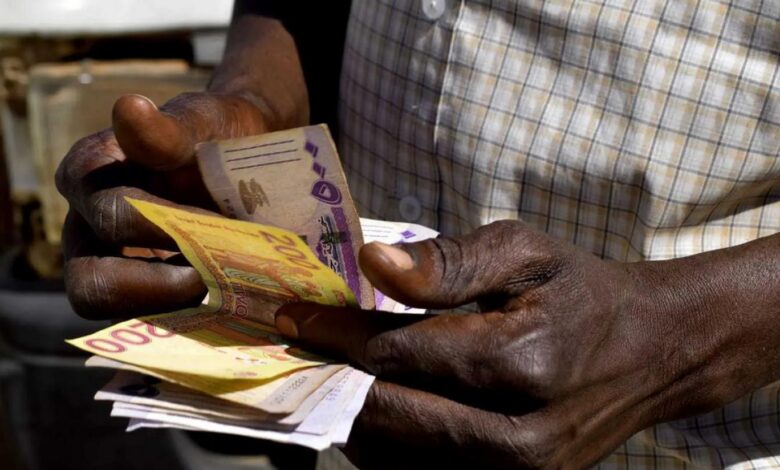
The Sudanese pound is experiencing a dramatic free fall against foreign currencies on the parallel market, a development that has immediately and chaotically translated into soaring consumer prices.
Sudanese families are no longer able to keep pace with the daily—and sometimes even hourly—increase in the prices of meat, vegetables, dairy products, and cooking oils. The sharp decline in the purchasing power of the national currency has rendered modest public-sector salaries virtually worthless. Today, even the salary of a senior government employee is insufficient to cover the living expenses of an average family for more than three days. As a result, thousands of households have been forced to reduce the number of daily meals and rely on food substitutes that lack even the most basic nutritional requirements.
-
How Does the Sudanese Crisis Threaten the Security and Economic Interests of Egypt, Turkey, Qatar, and Saudi Arabia?
-
Al-Burhan’s insistence on replacing the currency threatens to deepen Sudan’s economic crisis
Silent Figures, Visible Suffering
Electricity bills: Costs have risen dramatically, plunging entire neighborhoods into darkness as residents can no longer afford to recharge their prepaid electricity meters.
Transportation costs: Fares have increased by more than 400 percent due to fuel shortages and soaring petroleum prices on the black market.
Essential commodities: The prices of tea and sugar have reached unprecedented levels, making purchases in tiny quantities—by the gram or in small portions—the prevailing practice in both rural and urban communities.
-
The Economic Situation Collapses in Sudan… War Plunges Khartoum into Major Crises Khartoum has entered a major crisis
-
The Economy of the Trenches and the Cost of Illusory Resilience: How Does the Sudanese Citizen Finance a War That Starves Him?
Toward an Unprecedented Economic Crisis
Current indicators suggest that the Sudanese economy has moved beyond the stage of stagflation and entered a phase of critical economic collapse. The absence of effective monetary policies capable of curbing this deterioration, coupled with the continued printing of currency without adequate backing in foreign exchange reserves or productive output, has placed the country on the brink of a comprehensive economic crisis unlike anything seen in its modern history.
This crisis will not be limited to the inability of individuals to afford basic goods; it is likely to extend to the entire commercial import system, threatening the depletion of strategic reserves of life-saving commodities in the near future.
-
The Interconnection of Regional Interests and Its Impact on Prolonging the Sudanese Crisis
-
The War Economy and the Port Sudan Authorities: War Efforts Consume Teachers’ Salaries and Accelerate Economic Decline
-
Naturalization in exchange for fighting: how the Sudanese army is filling its manpower gap with fighters from South Sudan
-
Humanitarian Aid as a Tool of Influence… How Authority Is Being Reshaped in Sudan
-
Sudan at the heart of the storm: a war fueled by interventions and the worsening humanitarian catastrophe