Israel Announces Killing Armed Militants in Syria and Lebanon and Pledges to Eliminate Threats
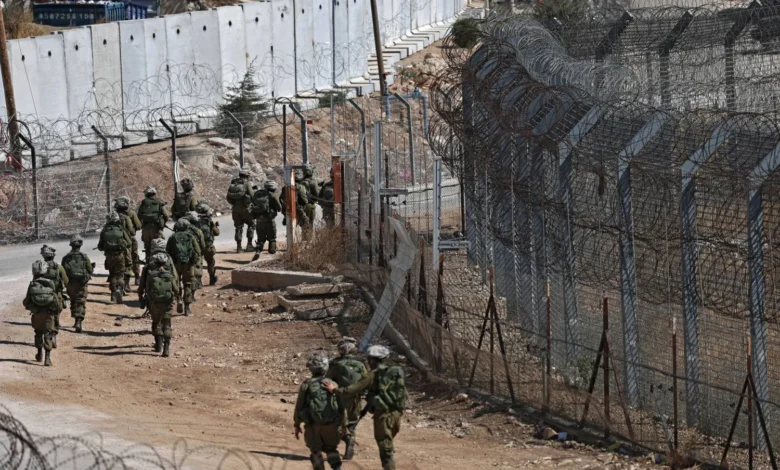
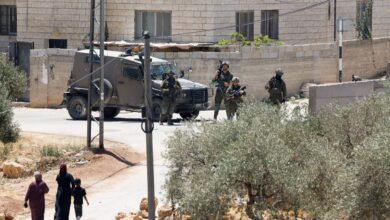
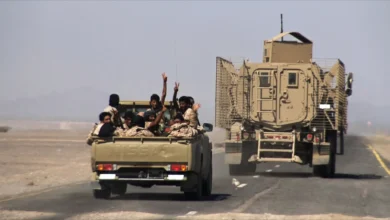
A few days after Israeli officials reaffirmed that Israeli forces would continue to remain inside security zones in Lebanon, Syria, and the Gaza Strip, the Israeli military announced on Sunday that it had killed several armed militants in the security zone in southern Syria.
In a brief statement, the Israel Defense Forces (IDF) said its troops had killed a number of armed militants in the security zone in southern Syria, adding that military operations in the area would continue to eliminate any threats to Israeli civilians and its soldiers.
-
Is a security agreement between Syria and Israel approaching? Predictions on a meeting between Al-Chaar and Netanyahu
-
Understandings between Netanyahu and Barak on regulating Israeli movements in Syria
The military stated that members of a reserve brigade opened fire within the Israeli-controlled buffer zone, killing individuals it described as “armed terrorists.”
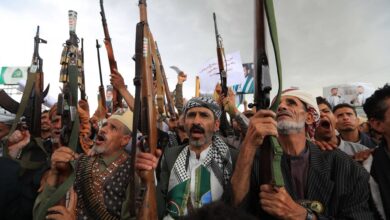
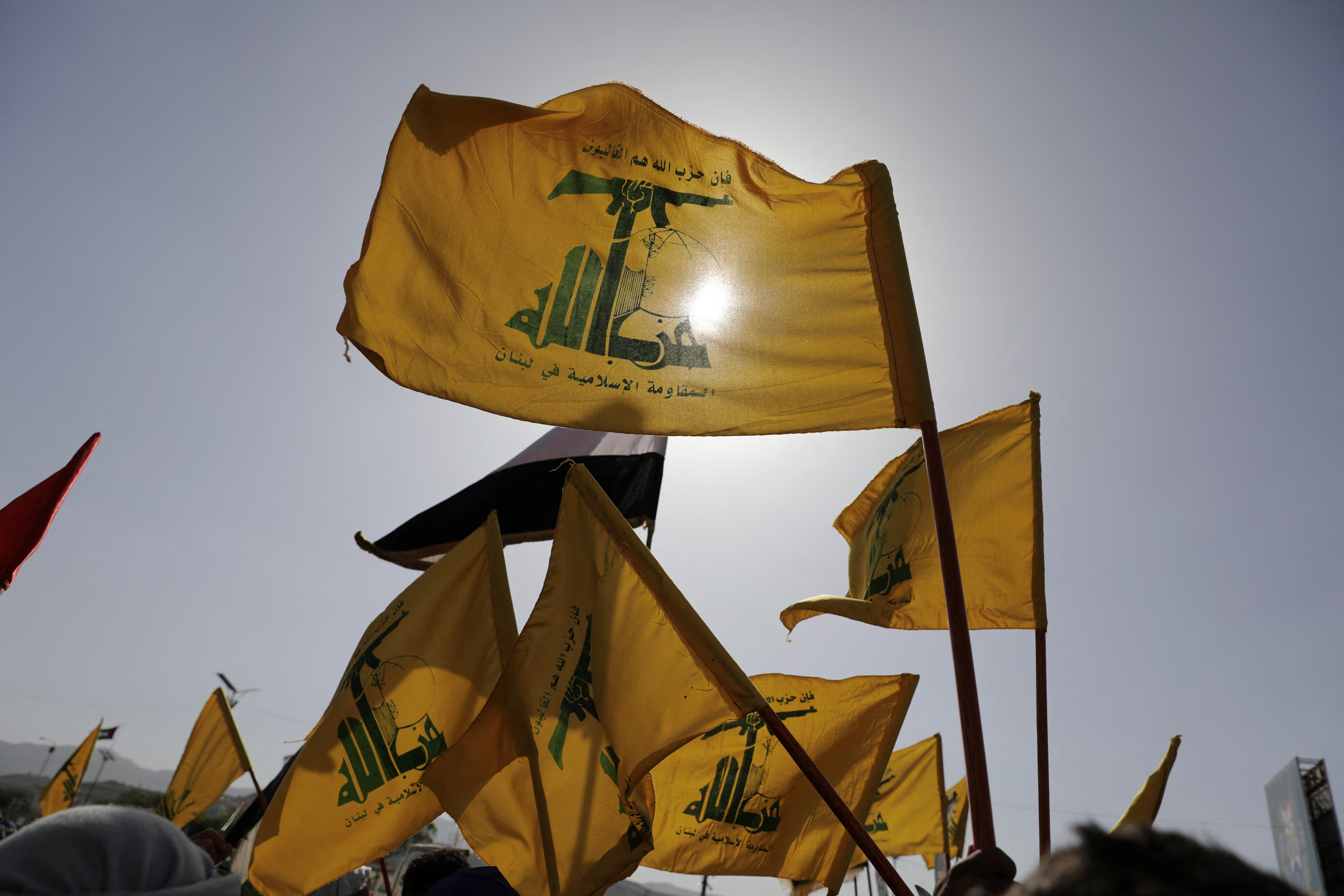
In the same context, Israeli military spokesperson Avichay Adraee said that the Israeli army had “eliminated Hezbollah operatives armed with RPG launchers,” adding that it had also targeted a launch platform in the Nabatieh area.
The spokesperson explained that soldiers from the Egoz Unit, operating under the 36th Division, had detected on Saturday “a number of Hezbollah operatives carrying RPG launchers in the Nabatieh area, near the security zone in southern Lebanon where Israeli forces are operating.”
-
Israel and Syria Negotiations: Deadlock and Conflicting Conditions
-
Details of Israel’s first airborne landing of its kind in Syria
He added that “immediately after they were identified, the Israeli Air Force struck and eliminated them and destroyed the building from which they were operating in order to remove the threat to our forces.” He further stated that, in another strike in the same area, “Israeli forces destroyed a Hezbollah launch platform that posed a threat to our troops.”
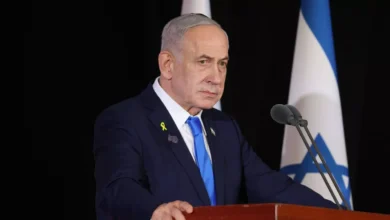
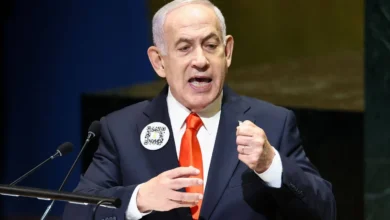
Israeli Defense Minister Israel Katz had stated on Thursday that Israeli forces would continue to remain in the security zones in Lebanon, Syria, and the Gaza Strip “without any time limit” in order to eliminate any potential threats.
-
Key Provisions of the Expected Security Settlement Agreement Between Syria and Israel
-
Israel Fears a New October 7 from Syria and Strengthens Borders with Barriers and Additional Forces
Israeli Expansion
Following the collapse of Bashar al-Assad‘s government in 2024, Israel expanded its military deployment in southern Syria to Mount Hermon and beyond the demilitarized buffer zone in the Golan Heights.
At the time, Israel said it feared that armed groups could launch attacks against its territory. It also viewed the developments as an opportunity to disrupt Iran’s ability to smuggle weapons through Syrian territory to Hezbollah operatives in Lebanon.
Israel describes the territories it controls in Lebanon, the Gaza Strip, and Syria as “buffer zones” separating it from its adversaries, a concept that has become a central component of its latest security doctrine.
-
“Including Syria and Lebanon”: How the Israeli Army Prepares for “Operation Winter”
-
Israel targets Hezbollah on Syrian and Lebanese fronts
In contrast, the United Nations and other critics maintain that Israel’s control of the buffer zone in Syria constitutes a violation of the 1974 ceasefire agreement.
Although civilians living in the area currently under Israeli control have not been instructed to evacuate their homes, they have faced checkpoints, heightened security measures, and recurring tensions marked by occasional confrontations between Israeli soldiers and residents of nearby villages.
Syrian President Ahmed al-Sharaa has called on Israel to withdraw from the area, which the United Nations says covers approximately 235 square kilometers (91 square miles).
-
In Response to Trump’s Proposal, Al-Sharaa Reveals Syria’s Position on Confronting Hezbollah
-
A Tour Inside a Hezbollah Tunnel Reveals Iranian Fingerprints: Drones with a 200-km Range and Eight Tons of Explosives
-
Israel Expands Operations in Southern Lebanon in Preparation for Occupying New Areas