The Option of Withdrawing from OPEC Sparks Widespread Debate in Iraq
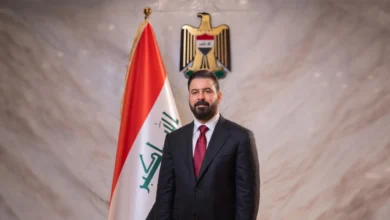
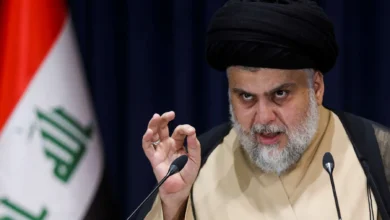
Former Prime Minister Adel Abdul Mahdi argues that the solution does not lie in leaving the oil-producing bloc but rather in strengthening Iraq’s position within the organization and securing production quotas that reflect its vast reserves and growing financial needs.
-
Iraqi Forces Raid the Green Zone as Part of a Major Anti-Corruption Campaign
-
Iraq Moves to Address Anti-Money Laundering Deficiencies
Discussion in Iraq over the possibility of withdrawing from the Organization of the Petroleum Exporting Countries (OPEC) has sparked widespread debate amid concerns that such a move could further aggravate the country’s multiple economic challenges. Iraq remains almost entirely dependent on oil revenues as its primary source of national income. Against this backdrop, former Prime Minister and former Oil Minister Adel Abdul Mahdi warned that leaving the organization could expose the country to significant losses in global energy markets, calling instead for Baghdad to secure higher production and export quotas within the oil alliance.
In a post published on social media, Adel Abdul Mahdi stated that “leaving OPEC would deprive Iraq of an important mechanism for regulating the oil market,” warning that increasing production outside a coordinated framework could lead to “an oversupplied market, falling oil prices, and declining government revenues.”
-
An Iraqi Faction’s Rejection of State Control over Weapons Threatens Confrontation with the Government
-
Asaib Ahl al-Haq Joins the Call to Place Weapons Exclusively Under the Authority of the Iraqi State
The former prime minister believes that OPEC’s strength lies in its ability to coordinate production levels among oil-producing countries, thereby maintaining a balance between the interests of producers and the stability of the global oil market.
He further noted that “OPEC was born in Iraq,” referring to Baghdad’s historic role in founding the organization. He stressed that the appropriate course of action is not withdrawal but rather strengthening Iraq’s influence within OPEC while obtaining production quotas that better correspond to the country’s substantial oil reserves and expanding fiscal requirements.
-
The Decision to Establish Iraq’s Supreme Sovereign Council for Integrity Sparks Constitutional Debate
-
How a secret Israeli base in the Iraqi desert evaded army radar and was spotted by a shepherd
His remarks come amid broader discussions regarding the need to renegotiate Iraq’s production ceiling in light of mounting financial pressures on the government and increasing domestic spending commitments.
The controversy originated from statements circulating within Iraq’s oil sector, including unofficial remarks attributed to a spokesperson for the Ministry of Oil suggesting that Baghdad could consider alternatives outside the OPEC framework if its production quotas were not revised.
Those comments triggered widespread reactions across economic circles before the Ministry of Oil issued an official clarification reaffirming Baghdad’s full commitment to its OPEC membership and denying any intention to withdraw from the organization.
-
Al-Zaidi pledges to confront uncontrolled weapons in Iraq
-
No signs of relief in Iraq’s political crisis
Iraq faces a difficult balancing act between honoring its commitments under the OPEC+ agreement, which includes major producers such as Russia and Saudi Arabia and aims to regulate production while supporting global price stability, and its need to increase crude oil exports, which remain the government’s principal source of revenue.
These pressures coincide with additional challenges arising from the volatility of global energy markets and disruptions affecting parts of international energy supply chains as a result of regional geopolitical tensions, further complicating the choices facing Iraqi policymakers.
-
A military aircraft destroyed in a missile strike on an Iraqi base
-
Among them a commander… fatalities among Popular Mobilization Forces in an airstrike in western Iraq
Energy experts warn that any uncoordinated increase in production or withdrawal from OPEC could disrupt the global oil market by abruptly increasing supply, placing downward pressure on prices and negatively affecting the budgets of all oil-producing countries, including Iraq itself.
Others, however, argue that maintaining current production restrictions could limit Baghdad’s ability to fully capitalize on its petroleum resources in order to finance development projects, making the issue of production quotas one of the country’s most sensitive policy files in the coming period.
For the time being, Iraq’s membership in OPEC remains far from any concrete decision to withdraw. Nevertheless, the ongoing debate reflects the growing tension between the country’s domestic economic priorities and the broader need to preserve stability in global energy markets during an exceptionally sensitive regional period.
-
Iraq negotiates with Iran to allow its tankers to pass through the Strait of Hormuz
-
Iraq studies alternatives for exporting Kirkuk oil amid escalating war with Iran
-
Iraq’s Unemployment Dilemma Becomes a Time Bomb
-
U.S. pressure to redraw NATO’s mission map, with Iraq at the forefront
-
Islamic State detainees transferred to Iraq: one prison and food costs covered by the coalition