The Illusion of a Sacred El-Obeid: How the Sudanese Army and the Muslim Brotherhood Are Alleged to Turn Civilians into Human Shields to Conceal Setbacks in North Kordofan
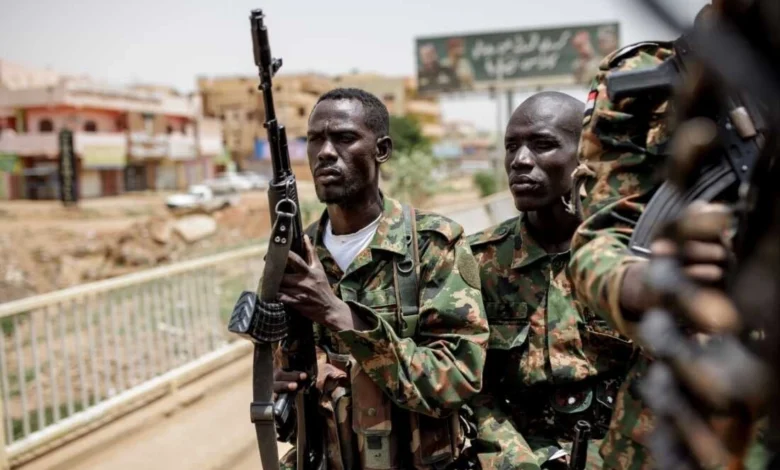
In fourth-generation warfare, battles are not decided solely by firepower or military equipment; they are first won in the arenas of media influence and psychological operations. According to the text, the situation currently unfolding in Sudan, particularly in North Kordofan State, represents a classic example of media “predictive programming,” whereby domestic and international public opinion is prepared to accept a particular narrative before the events themselves occur.
-
The Field Mobilization of the Muslim Brotherhood in Sudan: The Al-Baraa Ibn Malik Brigade and the Challenge of Influence
-
Calls to Designate the Islamic Movement Muslim Brotherhood in Sudan as a Terrorist Organization
The text further argues that the extensive media campaign conducted by the Sudanese Armed Forces, together with the media apparatus of the Muslim Brotherhood-affiliated groups allied with them, which repeatedly focuses on the city of El-Obeid while warning of an “imminent attack,” serves merely as a smokescreen intended to divert the attention of the international community. According to the allegations presented, the objective is to conceal military movements described as desperate attempts to reposition forces on other fronts, particularly around Jabra Al-Sheikh and Rahad Al-Nuba.
The Pre-Emptive Narrative: Constructing the Victim Before the Alleged Crime Occurs
According to the text, the media strategy is based on the principle of “pre-emptive accusation.” It argues that both the official discourse and that of the Muslim Brotherhood do not wait for violations to occur before documenting them but instead seek to establish in advance a ready-made narrative assigning responsibility to the Taasis Forces and the countries alleged to support them.
-
Rewarding the factions fighting alongside the Muslim Brotherhood in Sudan… What is the issue?
-
Killing Civilians and Looting Aid: Crimes Committed by the Army and the Muslim Brotherhood in Sudan
The text maintains that this approach serves two principal objectives. First, it allegedly seeks to legitimize future military operations or retaliatory actions by the Sudanese army in North Kordofan under the banner of protecting civilians. Second, it aims to transform any criticism directed at the army because of its military setbacks into accusations against “foreign forces” portrayed as seeking to destroy Sudanese cities.
According to the text, repeated references to the possible “fall of El-Obeid” or an “imminent massacre” coincide with what it describes as the military leadership’s silence regarding troop movements around Jabra Al-Sheikh and Rahad Al-Nuba. The author interprets this as evidence of an intention to divert the attention of international observers, journalists, and human rights organizations away from North Kordofan—where the army is allegedly attempting to reorganize its defensive lines or launch new operations—and toward El-Obeid, where it would supposedly exercise greater control over both media coverage and the overall narrative.
-
The Muslim Brotherhood in Sudan Seeks to Return to the Scene Through International Conferences… Details
-
Amidst the Crimes of the Muslim Brotherhood in Sudan… The ICC Demands the Disclosure of Bashir and Haroun’s Whereabouts
A Fundamental Contradiction: Why Prevent Civilians from Leaving If the Goal Is Their Protection?
The text argues that a strategic and moral contradiction undermines the narrative advanced by the Sudanese army and the Muslim Brotherhood. It asks why, if the army genuinely seeks to protect the residents of El-Obeid from an imminent attack, civilians would allegedly be prevented from leaving the city. It further questions the establishment of heavily fortified checkpoints at every exit and the requirement that unarmed civilians remain within an area exposed to potential hostilities.
According to the text, the explanation lies in military considerations. It alleges that the army requires civilians both as human shields and as a media resource. Their continued presence inside El-Obeid would complicate any military operation targeting the Taasis Forces because of the heightened risk of civilian casualties, while simultaneously ensuring a continuous flow of images depicting civilian suffering that could be presented in international forums in order to assign responsibility to the opposing side.
-
Reasons to classify the Muslim Brotherhood in Sudan as a “terrorist group”
-
Sudanese Political Leader : Four Tools Used by the Muslim Brotherhood to Undermine Efforts to End the War
North Kordofan: The Overlooked Front That the Text Claims Is Being Concealed
According to the text, while journalists and media organizations focus on military leaders’ statements concerning the fate of El-Obeid, substantial troop movements have reportedly been taking place quietly toward Jabra Al-Sheikh and Rahad Al-Nuba.
The text further contends that military operations conducted in those areas are occurring under a deliberate media blackout because independent reporting would allegedly reveal the scale of military losses or what it characterizes as the retaliatory nature of certain operations.
-
Al-Burhan’s army and the Muslim Brotherhood… evidence of a blood alliance in Sudan
-
The Muslim Brotherhood Returns Through the Security Gate… How Does Mohamed Atta’s Return Reflect Shifts in Sudan’s Landscape?
According to the author, the strong media emphasis on El-Obeid represents an attempt to legitimize military escalation in North Kordofan while creating an internationally acceptable environment for further military action and intensifying criticism of any operation attributed to the Taasis Forces.
In conclusion, the text argues that any media campaign that precedes events and assigns responsibility for future violations before they occur lacks credibility and serves as preparation for the production of predetermined narratives. It maintains that protecting civilians begins not with public statements but with allowing them to leave areas of danger safely. Finally, according to the text, the situation observed at the checkpoints surrounding El-Obeid indicates that civilians are allegedly being treated not as people to be protected but as hostages used both as human shields and as instruments of media leverage.
-
The Movements of the Sudanese Army and the Democratic Bloc Amid the Influence of the Muslim Brotherhood
-
Power struggle between the Sudanese army and the Muslim Brotherhood: rising political tensions