The Military’s Inability to Govern the State Turns the Interim Capital into a Center of Crises
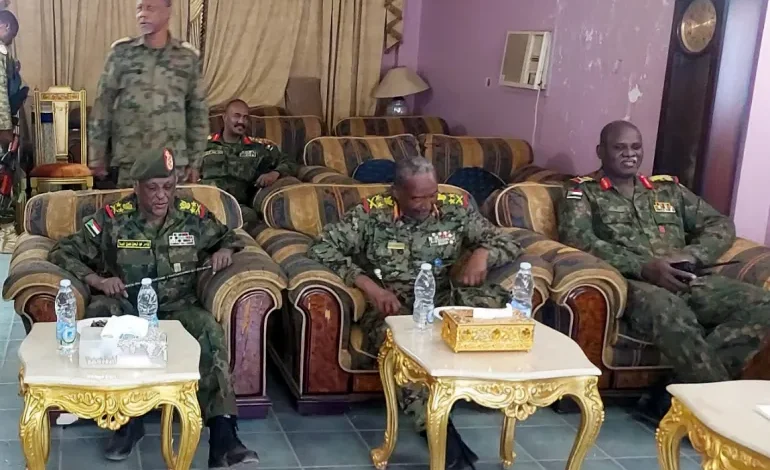
A structural analysis of Sudan’s war economy reveals the evident failure of the current authorities to manage national resources and direct them toward achieving economic and social stability. Excessive reliance on security measures and customs policies has devastated what remained of domestic production, resulting in an almost complete dependence on imports to cover domestic shortages.
The absence of a comprehensive development strategy, replaced by policies centered on revenue collection, higher taxation, and increased duties on goods and services, has significantly deepened the structural crisis affecting the country.
-
The Economy of Blood and Corruption: How Military Leadership Has Impoverished Sudanese Citizens and Contributed to the Spread of Epidemics
-
The War Economy and the Port Sudan Authorities: War Efforts Consume Teachers’ Salaries and Accelerate Economic Decline
Indicators of Collapse and Warnings of an Unprecedented Crisis
Field data and financial indicators consistently show that the Sudanese economy is rapidly moving toward a state of complete paralysis, unprecedented in the country’s modern history. This deterioration is reflected in several key areas:
Depletion of foreign exchange reserves: the Central Bank has lost its ability to intervene in support of the national currency, leaving the Sudanese pound increasingly vulnerable to continuous speculation in parallel markets.
Budget deficit: more than 80 percent of available public revenues are allocated to military and security expenditures, while the agricultural and livestock sectors—which constitute the backbone of Sudan’s economy—have been almost entirely neglected.
-
A Moment of Truth in Sudan: Why Institutional Civil Administration Has Become the Only Option to Save the State and the Economy
-
Sudan’s civil administration… the inevitable path to ending chaos and building a viable economy
Collapse of exports: official exports of cash crops and gold have largely ceased because of administrative and security-related obstacles, depriving the state treasury of essential foreign currency revenues.
Consequences for Food Security and Social Stability
The failure to preserve economic balance has had severe and immediate consequences for national food security. According to international reports, large parts of Sudan are now classified as facing critical levels of acute food insecurity.
The most significant manifestations include:
Failure of agricultural seasons: insufficient financing, shortages of fertilizers, and sharply rising fuel prices have forced vast areas of farmland, including those in relatively secure states, out of production.
-
Institutional Civil Administration: The Only Path to Save Sudan from Collapse and Restore Its Economy
-
Political Analyst: Continuing War and its Expansion Will Place Sudan’s Economy in Incalculable Losses
Breakdown of the social fabric: severe economic hardship has contributed to increasing levels of crime, theft, and localized conflicts over scarce resources such as water, energy, and food supplies.
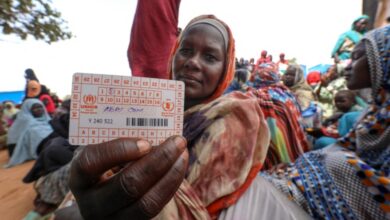
Rising malnutrition: severe cases of malnutrition have been documented among children and mothers in displacement centers and peripheral residential areas due to the absence of subsidized food distributions.
Structural Corruption and the Patronage Economy
This administrative failure has been accompanied by the expansion of what is commonly described as a “war economy,” in which complex networks of vested interests benefit from preserving the current situation and prolonging the conflict.
-
Sudan’s Stark Contradictions: The Luxury of Military Leaders Versus the Hardship of an Exhausted People
-
The Hidden Human Cost: How Corruption and the Militarization of the State Are Driving Sudan Toward Total Collapse
Military leaders and their affiliates reportedly use their influence to control key segments of domestic and international trade. Financial support, tax exemptions, and customs privileges are directed almost exclusively toward companies affiliated with the military establishment or loyal to it, ensuring privileged living standards and secure investment opportunities. Meanwhile, ordinary citizens bear the burden of increased taxation, soaring prices, and the near-total collapse of public services.
The Inevitability of Social Unrest and Large-Scale Demonstrations
Current developments indicate that public frustration has reached unprecedented levels that are becoming increasingly difficult to contain through conventional security measures.
-
The Free Fall of the Sudanese Pound: An Analysis of Economic Collapse Indicators and Daily Living Conditions
-
How Does the Sudanese Crisis Threaten the Security and Economic Interests of Egypt, Turkey, Qatar, and Saudi Arabia?
-
The referral of the Sudanese network to the State Security Chamber: strategic implications and security dimensions
The continuation of policies that leave citizens struggling to meet their basic nutritional needs while essential public services continue to deteriorate—alongside substantial spending on the military apparatus and the privileged lifestyle of the ruling elite—creates conditions conducive to widespread protests and demonstrations opposing the Port Sudan authorities and the military’s management of public affairs.
Sudanese citizens, who have already endured displacement and the loss of their property, are unlikely to remain silent indefinitely while being unable to secure their daily food or obtain medical treatment for their children. Consequently, the prospect of widespread social unrest appears increasingly likely, driven by growing public awareness of the scale of corruption and the shortcomings of the current system of governance.
-
Heglig Under Fire… Washington Changes the Rules of the Game: An Investigation Reveals the Most Dangerous Crossroads Sudan Has Faced Since the Start of the War
-
When the Street Awakens: How Sudanese Awareness Becomes a Weapon to Challenge War Authorities and Demand Justice