Can Dogs Protect Children From Respiratory Infections?
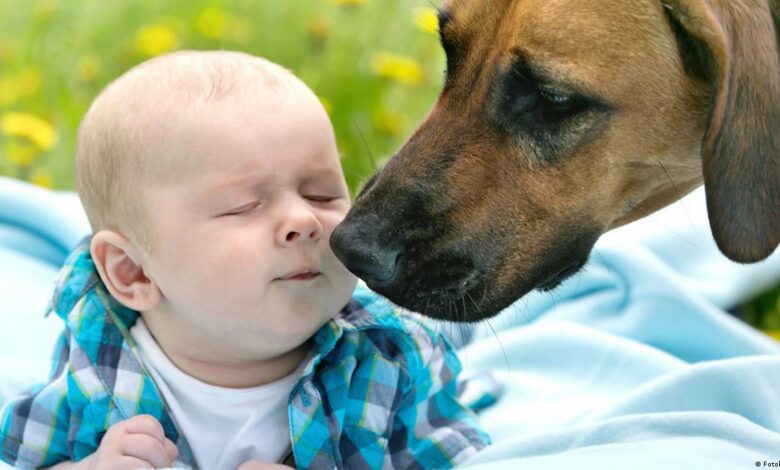
Having a dog at home is often associated with a variety of potential benefits for children’s well-being. In addition to providing companionship and encouraging physical activity, researchers have investigated whether living with a dog may influence the development of the immune system. Some studies suggest that children who grow up with dogs may experience a different risk of certain respiratory infections. However, the relationship is complex, and living with a dog should not be considered direct protection against respiratory disease.
One of the main explanations proposed by researchers involves early exposure to a wider variety of microorganisms. Dogs naturally bring bacteria and other particles from outdoor environments into the home. Under normal hygienic conditions, this exposure may contribute to greater microbial diversity in the child’s immediate environment.
A young child’s immune system develops progressively during the first years of life. It must learn to distinguish potentially harmful substances from the many harmless elements encountered in everyday surroundings. Exposure to a diverse range of microorganisms may contribute to this immune maturation and influence how the body responds to certain infectious agents later in life.
Some studies have reported an association between living with a dog and a lower incidence of certain respiratory infections or respiratory symptoms among young children. However, the scientific evidence remains inconsistent, and it is not possible to conclude that dogs directly prevent respiratory infections. Differences in lifestyle, housing conditions, diet, exposure to tobacco smoke, and other environmental factors may also account for some of the observed associations.
Having a dog may also influence children’s health indirectly. Dogs often encourage outdoor activities and regular movement, both of which can contribute to a healthier lifestyle. Interactions with pets may also have positive effects on emotional well-being, stress levels, and social development.
Allergies, however, need to be considered separately. Exposure to dogs can trigger or worsen symptoms in children who are already sensitive to allergens found in animal dander, saliva, or other secretions. A child with a known dog allergy or an existing respiratory condition may therefore respond differently to living with a pet.
It is also important to distinguish normal exposure to household microorganisms from poor hygiene. Dogs can carry microorganisms, parasites, and allergens. Regular handwashing, particularly after handling a pet and before eating, remains essential. Routine veterinary care, appropriate vaccination, and parasite prevention can also help reduce potential health risks.
Researchers are particularly interested in whether the microbial environment of the home can influence immune-system development during childhood. This idea is closely related to research on the microbiome and the complex interactions between environmental microorganisms and the immune system. It does not mean that children should deliberately be exposed to infectious agents in an attempt to strengthen their immunity.
Overall, living with a dog may be associated with certain potential benefits for children’s respiratory health, possibly through greater microbial diversity and a more active lifestyle. Nevertheless, current evidence does not support considering dogs a reliable method of preventing respiratory infections.
The most effective ways to reduce the risk of respiratory infections remain well-established measures such as regular handwashing, adequate indoor ventilation, balanced nutrition, sufficient sleep, and following recommended vaccination schedules. A dog can provide important emotional and lifestyle benefits, but it should not be regarded as a treatment or guaranteed protection against respiratory illnesses.