Spain: Warnings That Integration Projects Could Become a Gateway for Muslim Brotherhood Influence
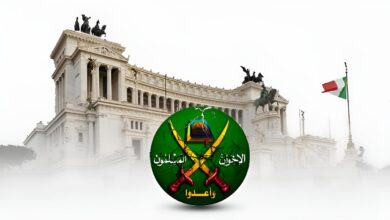
Media reports have warned that organisations linked to the Muslim Brotherhood are exploiting public assistance allocated to integration and interfaith dialogue projects in Spain to expand their influence within society.
The warnings come amid growing European debate over political Islam’s penetration of institutions, alongside questions about whether public funding for associations is subject to sufficient oversight to prevent its use for political or ideological agendas.
A report by the Visegrád 24 platform claims that organisations linked to the Muslim Brotherhood in Spain have benefited from national, regional and local public assistance through projects focused on integration, interfaith dialogue and community work.
The report said cooperation with two Islamic humanitarian organisations, Islamic Relief Spain and Human Appeal Spain, had been under scrutiny.
It argued that these relationships strengthened the Brotherhood’s public presence by facilitating access to local communities and helping actors associated with the movement present themselves as established, moderate associations.
The report noted that attention to the Brotherhood’s history in Europe generally focuses on Britain, France, Germany and Belgium, while Spain receives considerably less scrutiny.
Citing “senior figures within the movement itself”, it added that one of the most important events contributing to the Brotherhood’s establishment in Europe took place in Madrid in 1984. The conference reportedly helped transform scattered communities of Islamist exiles into a coordinated European project.
The report portrayed this episode as making Spain one of the Brotherhood’s most important European hubs and discussed its role in Islamist terrorist attacks inside Spain and abroad.
It also claimed that supporters of the Brotherhood’s network themselves envisage a future return to the “Andalusian Empire”, a name it described as referring to the Iberian Peninsula during its Islamic period.
A “Hidden Danger”
Visegrád 24 criticised Pedro Sánchez’s government, arguing that it allows “Spain to become a growing centre of Islamic influence, despite warnings from security experts”.
The platform said counterterrorism specialists, including José María Zuloaga, had previously warned that the Brotherhood represents a “hidden danger”. Under this assessment, it pursues a medium- and long-term strategy of infiltrating Spanish society through a network of institutions rather than operating as a formal, structured organisation.
Zuloaga sees Catalonia as an example of this regional influence, with the Brotherhood accused of exploiting legal loopholes to expand its influence within the local Muslim community.
An Ultimate Objective
According to the report, “most analysts” believe the Brotherhood’s ultimate ambition is to establish a global Islamic caliphate, with Spain becoming one of its territories under its historical Islamic name, “Al-Andalus”.
The report cited a post on X by American national security expert Brigitte Gabriel discussing “radical Islam’s hundred-year plan: infiltration and domination”.
Gabriel said the Brotherhood set out its strategy in 1991: “Settle in the West, then undermine it from within.” She argued that, 35 years later, its effects were visible in school boards, municipal councils and streets that had been renamed.
She added: “In 1991, the Brotherhood called its plan ‘civilisational jihad’, a plan to destroy the West from within.” She warned that the strategy was designed to “destroy the West from within, quietly, legally and permanently”, concluding: “Look around you—the plan’s timetable is advancing as scheduled.”