What Happens to Your Body When You Take Zinc Supplements Every Day?
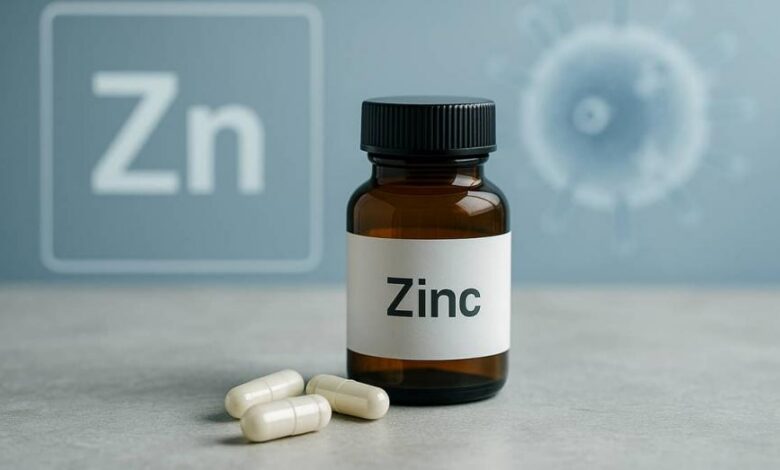
Zinc is an essential trace mineral that plays a vital role in many biological processes. It supports immune function, wound healing, protein and DNA synthesis, and the maintenance of healthy skin and cells. When dietary intake is insufficient, zinc supplementation can be beneficial in certain circumstances. However, taking zinc supplements every day without considering individual needs may also lead to unwanted effects.
One of the main potential benefits of appropriate zinc supplementation is correcting a deficiency. Inadequate zinc levels may contribute to weakened immune function, delayed wound healing, changes in taste or smell, reduced appetite, and certain skin problems. For people who are genuinely deficient, restoring adequate zinc intake can therefore help normalize several important physiological functions.
Zinc plays an important role in the immune system. It contributes to the activity of various immune cells and helps regulate inflammatory responses. However, consuming more zinc than the body requires does not necessarily make the immune system stronger. In people who already obtain sufficient zinc from their diet, taking high doses may provide little or no additional benefit.
Zinc is also essential for wound healing and tissue regeneration. It contributes to cell division and the production of proteins required for tissue repair. Adequate zinc intake is therefore particularly important when the body needs to replace or repair damaged cells following an injury.
Skin, hair, and nail health can also be affected by zinc status. A deficiency may contribute to certain skin abnormalities and interfere with normal hair and nail growth. Nevertheless, zinc supplements should not automatically be considered a treatment for hair loss or dermatological problems when those conditions have other underlying causes.
The main concern arises when zinc is taken in excessive amounts or for prolonged periods. Too much zinc can cause nausea, stomach pain, vomiting, diarrhea, and headaches. These gastrointestinal effects may be particularly noticeable when supplements are taken on an empty stomach.
Long-term excessive zinc intake can also interfere with copper absorption. Zinc and copper share certain intestinal absorption pathways, meaning that very high zinc intake over time can contribute to copper deficiency. Severe copper deficiency may lead to anemia and abnormalities affecting the nervous and immune systems.
Zinc can also interact with certain medications. In particular, it may interfere with the absorption of some antibiotics when taken at the same time. People who regularly take prescription or over-the-counter medications should therefore consult a healthcare professional before starting daily zinc supplementation.
The dose is consequently a crucial consideration. Zinc requirements vary according to age, sex, pregnancy, breastfeeding, diet, and certain medical conditions. Because daily nutritional requirements are relatively small, highly concentrated supplements should not be taken routinely without a clear reason.
For most people, a balanced diet provides adequate zinc. Important dietary sources include oysters and other seafood, meat, poultry, dairy products, eggs, legumes, nuts, and seeds. People following restrictive diets or those with conditions that interfere with nutrient absorption may have different nutritional needs.
Overall, taking zinc every day can be beneficial when it corrects a documented deficiency or addresses a specific nutritional need. However, excessive and prolonged supplementation can disrupt the body’s nutritional balance and cause adverse effects. Zinc is an essential nutrient, but its benefits depend on obtaining an amount that matches the body’s actual requirements.