Can Excessive Fenugreek Consumption Cause an Underactive Thyroid?
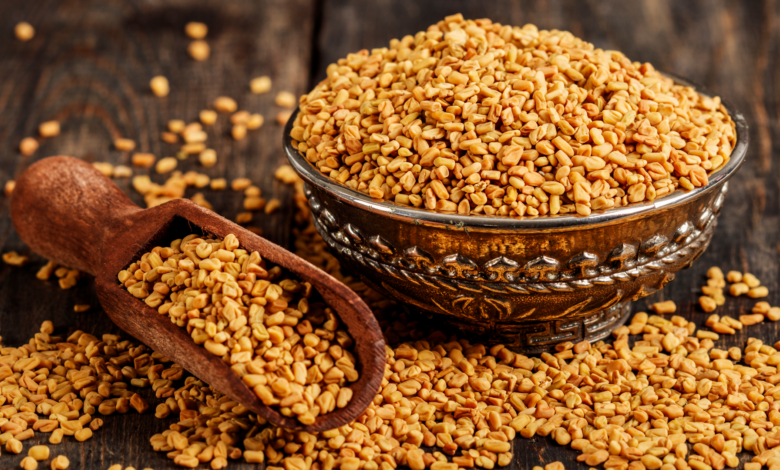
Fenugreek, scientifically known as Trigonella foenum-graecum, is a plant widely used in cooking and traditional herbal practices. Its seeds contain fiber, protein, saponins, and various plant compounds that may have biological effects. However, whether excessive fenugreek consumption can interfere with thyroid function requires a nuanced answer: current evidence does not establish that fenugreek directly causes hypothyroidism in humans.
The thyroid gland mainly produces thyroxine (T4) and triiodothyronine (T3), hormones that help regulate metabolism, body temperature, heart rate, and numerous other physiological processes. Their production depends partly on adequate iodine availability and the normal functioning of the hypothalamic-pituitary-thyroid axis.
Fenugreek has been investigated in experimental research for its potential metabolic effects. Some animal studies have reported changes in certain thyroid-related parameters after animals were given fenugreek extracts or preparations. However, findings from animal experiments cannot be directly applied to humans or used to conclude that normal dietary consumption of fenugreek causes hypothyroidism.
This distinction is particularly important because the doses used in experimental studies may differ substantially from the amounts typically consumed as food. Concentrated fenugreek supplements also represent a different exposure from using small quantities of fenugreek seeds as a culinary ingredient.
At present, hypothyroidism has not been established as a major consequence of excessive fenugreek consumption. Large amounts may, however, cause digestive problems such as diarrhea, bloating, or nausea. Fenugreek may also influence blood glucose levels and interact with certain medications, particularly glucose-lowering drugs.
People who already have thyroid disease should be especially cautious. Thyroid hormone medication should not be reduced, stopped, or replaced with fenugreek without medical advice. Herbal supplements can have biological effects, and their composition and concentration may vary considerably between products.
Symptoms sometimes associated with hypothyroidism, including fatigue, increased sensitivity to cold, constipation, weight gain, dry skin, and brittle hair, are not sufficient to establish a diagnosis on their own. Many other conditions can cause similar symptoms. If such symptoms persist, medical assessment and thyroid blood tests, including thyroid-stimulating hormone (TSH), may be appropriate.
The potential effects also depend on the amount and form consumed. Occasional culinary use is very different from taking high doses of concentrated fenugreek extract every day. People with chronic medical conditions, those taking multiple medications, or anyone considering high-dose supplementation should consult a healthcare professional.
Overall, there is currently insufficient evidence to conclude that excessive fenugreek consumption causes hypothyroidism in humans. Nevertheless, experimental findings justify further research into its possible effects on thyroid function. As with other dietary supplements, caution is advisable when fenugreek is taken in high doses or for prolonged periods.