Vaseline for Wounds, Nails, and Rashes: Uses That May Surprise You
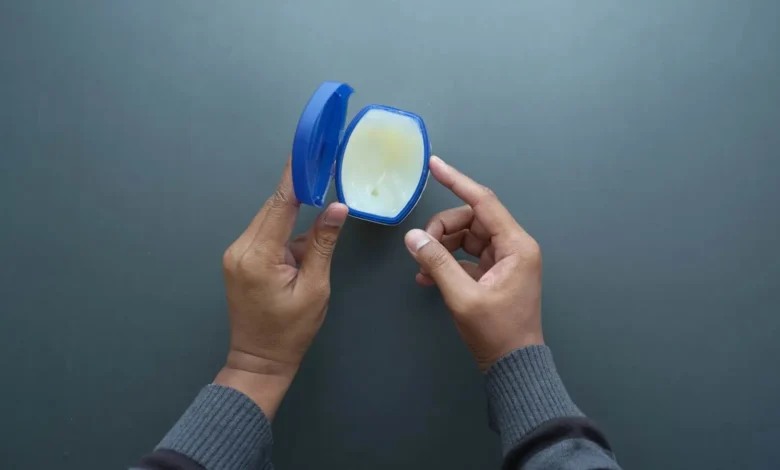
Vaseline, also known as petroleum jelly or petrolatum, is a simple and inexpensive product found in many households. Best known for its protective and occlusive properties, it forms a thin barrier on the surface of the skin that helps reduce water loss and maintain moisture. This characteristic explains why it can be useful in several everyday situations, including minor skin irritation, superficial wounds, and areas affected by excessive dryness.
-
How Can Excessive Sugar Intake Lead to High Blood Pressure?
-
An Unexpected Effect of Chewing Gum on Blood Pressure After Beetroot Consumption
One of its most useful applications is for minor cuts and scrapes. After a superficial wound has been properly cleaned, applying a thin layer of petroleum jelly can help maintain a moist environment that supports the healing process and prevents the wound from becoming excessively dry. It may also reduce the formation of a thick, dry scab that can crack during healing.
However, petroleum jelly is not a disinfectant. It should not be used as a substitute for medical care on deep wounds, heavily contaminated injuries, wounds showing signs of infection, or injuries that may require stitches. For minor wounds, cleaning the area with water and mild soap is an important first step before protecting the skin.
-
Magnesium May Help Lower Blood Pressure and Support Heart Health
-
What happens to your blood pressure when you eat whole wheat bread?
Vaseline can also be helpful for very dry or irritated skin. Its occlusive action reduces water loss through the outer layer of the skin. It can therefore be applied to dry lips, rough hands, elbows, knees, and other areas that are particularly prone to dryness.
Nails and the surrounding skin can also benefit from this protective effect. Applying a small amount of petroleum jelly to the cuticles and the skin around the nails may help reduce dryness and minor cracking. However, petroleum jelly does not make nails grow faster and does not treat fungal infections or other nail disorders.
-
What happens to your blood pressure when you take creatine every day?
-
How does sodium increase the risk of high blood pressure? Understanding physiological mechanisms and health implications
Another potential use involves certain forms of irritation caused by friction. By creating a protective layer, petroleum jelly can reduce direct contact between the skin and clothing or other surfaces. It may therefore be useful on areas exposed to repeated rubbing, provided there is no significant wound or infection.
In babies, petroleum jelly-based products can also help protect the skin from moisture and irritation associated with prolonged diaper contact. However, a severe, persistent, painful, or unusual rash should be assessed by a healthcare professional to rule out an infection or another underlying skin condition.
-
Kefir: potential benefits for cardiovascular health and blood pressure regulation
-
Can turmeric lower blood pressure? A scientific perspective and expert insights
Petroleum jelly can also be used as a protective barrier before activities that may dry out or irritate the skin. Its primary benefit in this situation is to reduce moisture loss and protect the skin’s surface rather than directly treat the underlying cause of a dermatological problem.
It is important, however, not to confuse petroleum jelly with a medical treatment. It does not treat bacterial, viral, or fungal infections and should not be used to conceal a wound that is getting worse. Spreading redness, significant warmth, swelling, pus, increasing pain, or fever may indicate an infection requiring medical attention.
-
Three effective ways to control blood pressure: scientific approaches and sustainable strategies
-
How does high blood pressure silently damage the kidneys?
For routine use, it is best to choose petroleum jelly intended for skin care and apply it to clean skin. Although petrolatum itself is generally well tolerated, some people may be sensitive to additional ingredients present in certain formulations.
Overall, Vaseline is primarily a protective and occlusive product. It can help maintain skin moisture, protect minor superficial wounds, reduce dryness around the nails, and limit certain forms of friction-related irritation. Simple and versatile, it can be a useful addition to everyday skin care, provided it is not treated as a substitute for medical treatment when professional care is needed.
-
How Fat Loss Affects Blood Pressure and the Immune System
-
Should People with High Blood Pressure Stop Drinking Coffee?