What Happens to Your Body When You Eat Moldy Bread?
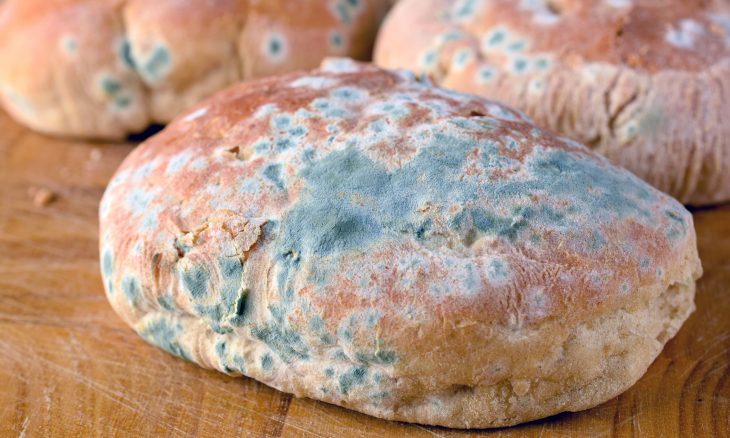
Finding a patch of mold on a slice of bread can immediately raise concerns. Should you simply cut away the visible mold, or should you throw the entire loaf away? And what happens if someone accidentally eats moldy bread? The answer depends on factors such as the amount consumed, the type of mold involved, and the person’s overall health.
Mold consists of microscopic fungi that can grow on a wide variety of foods. On bread, mold may appear as green, white, blue, black, or sometimes yellow patches. However, its growth is not necessarily limited to what can be seen on the surface. Microscopic fungal structures can penetrate deeper into porous foods such as bread.
Accidentally eating a small amount does not necessarily cause illness
For a healthy person, accidentally consuming a small amount of moldy bread will generally not result in serious consequences. In some cases, particularly when only a small amount has been eaten, no symptoms may occur at all.
However, some people may develop digestive symptoms such as nausea, vomiting, abdominal discomfort, or diarrhea. The likelihood and severity of these symptoms can depend on the type of mold involved and individual sensitivity.
Why shouldn’t you simply cut off the moldy part?
Bread is relatively porous, which means that fungal growth can extend beneath the surface without being visible. Removing only the visibly affected section therefore does not guarantee that the remaining bread is free from mold.
For this reason, when mold is clearly visible on bread, the safer approach is generally to discard the entire loaf rather than simply cutting away the contaminated section.
Are mycotoxins dangerous?
Some types of mold can produce mycotoxins, which are toxic substances that may contaminate certain foods. Their presence and concentration depend on the specific mold species, the food involved, and storage conditions.
This does not mean that every visible mold is automatically toxic. However, consumers cannot reliably determine by appearance which species of mold is present or whether it has produced a particular toxin.
Heating or toasting moldy bread is also not a reliable way to make it safe. Some substances produced by molds may withstand heat, and destroying the visible mold does not necessarily eliminate all potentially harmful compounds.
Allergic reactions are also possible
Molds can produce particles capable of triggering reactions in sensitive individuals. Exposure or ingestion may, in some cases, cause allergy-related symptoms, particularly among people who are already sensitive to mold.
People with significant allergies or weakened immune systems should therefore be particularly cautious.
What should you do after eating moldy bread?
If you accidentally eat a small amount of moldy bread and feel completely well, there is generally no reason to panic. Monitor yourself for digestive symptoms or any unusual reaction.
However, persistent vomiting, difficulty breathing, a severe allergic reaction, significant abdominal pain, or any other concerning symptom should prompt medical attention.
It is also not recommended to deliberately induce vomiting after eating moldy food unless specifically instructed to do so by a healthcare professional.
How can you prevent mold from growing on bread?
The best approach is to store bread appropriately and avoid keeping it for too long once signs of spoilage appear. Moisture and warmth generally encourage mold growth.
If bread is consumed slowly, freezing can be a practical way to extend its shelf life. Individual portions can then be thawed as needed.
Overall, accidentally eating a small amount of moldy bread does not usually cause serious problems in a healthy person. However, because mold can extend beyond the visible area and some species can produce undesirable substances, bread showing visible mold should preferably be discarded. Anyone who develops significant or unusual symptoms after eating moldy food should seek medical advice.