5 Everyday Habits That May Raise Your Blood Pressure Without You Realizing It
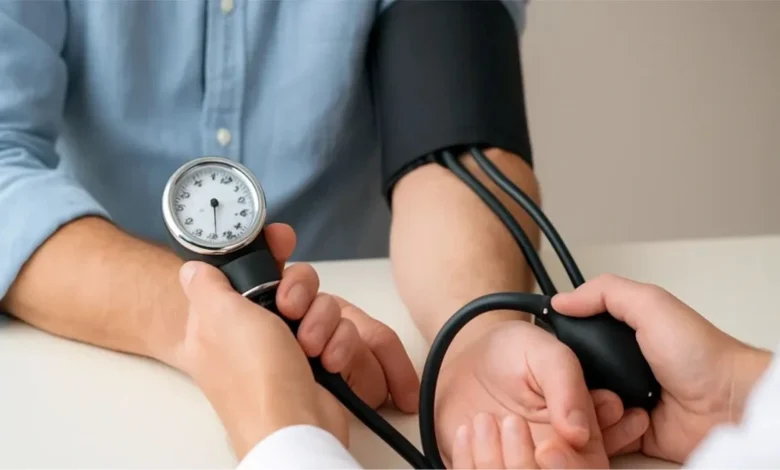
High blood pressure is often described as a “silent” condition because it can develop for years without causing obvious symptoms. Yet several seemingly harmless everyday habits can gradually contribute to elevated blood pressure. They are not necessarily the only causes of hypertension, but their combined effects can have a significant impact on cardiovascular health.
-
Blood Sugar Fluctuations May Affect Memory and Brain Health
-
An Unexpected Effect of Chewing Gum on Blood Pressure After Beetroot Consumption
1. Eating too much salt
Salt is one of the most important dietary factors that can influence blood pressure. Excessive sodium intake encourages the body to retain water, which can increase blood volume and consequently place greater pressure on artery walls.
The problem is not limited to the salt added during cooking. A substantial amount of daily sodium intake can come from processed foods, including processed meats, ready-made meals, commercial soups, sauces, salty snacks, certain cheeses, and fast food.
Gradually reducing highly salty foods and choosing more fresh, minimally processed foods can therefore help support healthier blood pressure levels.
-
What happens to your blood pressure when you take creatine every day?
-
How does sodium increase the risk of high blood pressure? Understanding physiological mechanisms and health implications
2. Not getting enough sleep
Insufficient sleep does more than cause daytime fatigue. When sleep is regularly inadequate or poor in quality, several mechanisms involved in blood pressure regulation can become disrupted.
Chronic sleep deprivation can keep the body in a state of physiological stress and increase activation of the sympathetic nervous system. Over time, this may contribute to a higher risk of hypertension.
Irregular sleep schedules and certain sleep disorders, particularly obstructive sleep apnea, can also have important cardiovascular consequences.
-
Three effective ways to control blood pressure: scientific approaches and sustainable strategies
-
How Fat Loss Affects Blood Pressure and the Immune System
3. Spending too much time sitting
A day spent predominantly sitting can negatively affect cardiovascular health, even in people who occasionally exercise.
Physical inactivity reduces energy expenditure, may contribute to weight gain, and is associated with poorer cardiovascular fitness. By contrast, regular walking, aerobic exercise, and strength training can improve cardiovascular fitness and help regulate blood pressure.
There is no need to begin with intense workouts. Getting up regularly, walking more throughout the day, and reducing prolonged periods of sitting are already useful changes.
-
Can Tomato Juice Lower Blood Pressure and Protect Your Heart?
-
What does one tablespoon of olive oil a day do for your blood pressure?
4. Drinking too much alcohol
Excessive alcohol consumption can raise blood pressure and, when it continues over time, increase the risk of developing persistent hypertension.
Some people underestimate their alcohol intake because they drink only in the evening or mainly on weekends. However, several drinks consumed regularly can still add up to a significant amount.
Reducing alcohol consumption can therefore benefit blood pressure while also lowering several other health risks.
5. Living under constant stress
Stress is a normal part of life, but persistent psychological stress can affect the cardiovascular system. During stressful situations, the body releases hormones that temporarily increase heart rate and constrict blood vessels, causing blood pressure to rise.
A temporary increase in blood pressure during stress is not necessarily dangerous. However, chronic stress can be accompanied by unhealthy behaviors such as inadequate sleep, poor diet, increased alcohol or tobacco use, and reduced physical activity.
Stress management can therefore include simple strategies such as regular exercise, controlled breathing, short breaks during the day, adequate sleep, and time devoted to relaxing activities.
-
reasons for sudden high blood pressure… Know these reasons
-
United Kingdom Bans the Sale of Energy Drinks to Children Under 16
Other habits can also matter
Smoking, excessive caffeine consumption in people who are sensitive to it, a diet low in fruits and vegetables, and weight gain can also affect cardiovascular health and blood pressure.
It is important not to wait for symptoms before checking blood pressure. Hypertension can remain unnoticed for a long time while gradually increasing the risk of stroke, heart disease, kidney disease, and other complications.
-
Experts Warn About the Health Risks of Excessive Tea Consumption
-
Heatwaves Threaten Heart Health: How Can You Protect Yourself?
How can you protect your blood pressure every day?
Several simple lifestyle changes can help maintain healthier blood pressure: reducing salt intake, choosing minimally processed foods, eating more fruits and vegetables, exercising regularly, maintaining a healthy weight, limiting alcohol, avoiding tobacco, and prioritizing adequate sleep.
Overall, blood pressure can be influenced by many everyday habits that may seem harmless. Excessive salt intake, insufficient sleep, physical inactivity, excessive alcohol consumption, and chronic stress can all contribute to elevated blood pressure. Identifying these factors and gradually changing them is one of the most effective ways to protect long-term cardiovascular health.
-
Daily Physical Activity: A Simple Habit That Could Add Years to Your Life
-
Seven Nuts Rich in Healthy Fats That Protect Your Heart