United Kingdom Bans the Sale of Energy Drinks to Children Under 16
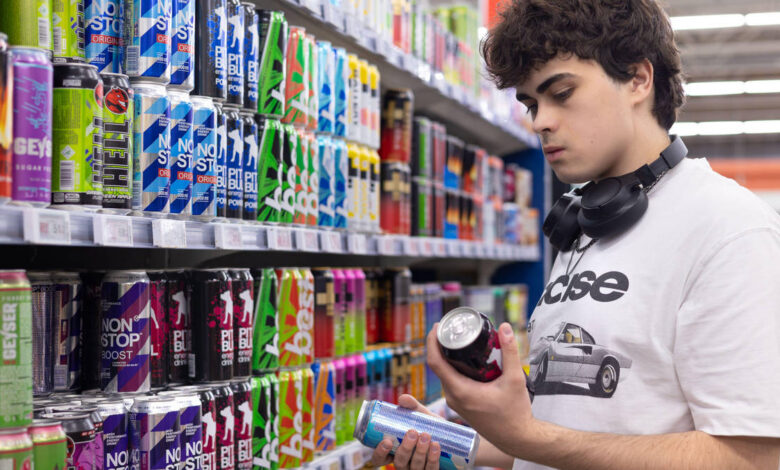
Amid growing concerns about the health effects of energy drinks on young people, the United Kingdom has announced a ban on the sale of energy drinks to children under the age of 16. The measure is intended to reduce young people’s exposure to beverages that are high in caffeine and often high in sugar, both of which have been linked to a range of physical and mental health risks. Public health authorities, pediatricians, and nutrition experts argue that children and adolescents are particularly vulnerable to the stimulating effects of these products, making stronger protective measures necessary.
-
Worse Than Sugar: Energy Drinks Pose a Serious Threat to Tooth Enamel
-
“Unexpected” risks of energy drinks for heart patients
Why Are Energy Drinks a Concern?
Energy drinks typically contain high levels of caffeine along with sugar, taurine, guarana, B vitamins, and other stimulating ingredients.
A single can may contain as much caffeine as several cups of tea or a strong cup of coffee. When consumed in large amounts or over a short period, these beverages can overstimulate the body.
Experts note that children and teenagers process caffeine differently from adults, making them more susceptible to its adverse effects.
-
Despite Being Marketed as a Healthy Alternative, Diet Drinks May Carry Hidden Risks
-
How can hot drinks help lower body temperature?
Health Risks for Children
Healthcare professionals warn that excessive consumption of energy drinks may lead to several health problems in young people, including:
- Increased heart rate.
- Temporary elevation of blood pressure.
- Sleep disturbances.
- Anxiety and nervousness.
- Difficulty concentrating after the stimulant effects wear off.
- Headaches.
- Increased risk of dehydration during physical activity.
Regular consumption may also contribute to caffeine dependence.
-
Do Sugary Drinks Threaten Adolescent Mental Health?
-
How Can Excessive Sugar Intake Lead to High Blood Pressure?
The Impact of Added Sugar
In addition to caffeine, many energy drinks contain large amounts of added sugar.
Frequent consumption of sugary beverages has been associated with a higher risk of overweight and obesity, type 2 diabetes, tooth decay, and cardiovascular disease. During childhood and adolescence, these dietary habits may become established early and have long-term health consequences.
Even sugar-free versions are not necessarily harmless, as they often contain similarly high amounts of caffeine.
-
What Happens to Your Body When You Stop Eating Added Sugar?
-
Heatwaves Threaten Heart Health: How Can You Protect Yourself?
Effects on Learning and Academic Performance
Poor sleep caused by excessive caffeine intake may negatively affect learning and cognitive performance.
Experts explain that insufficient sleep can impair:
- Memory.
- Attention.
- Academic achievement.
- Emotional regulation.
- Brain development.
Teenagers who regularly consume energy drinks are more likely to report sleep problems and daytime fatigue.
-
Foods that may worsen the flu: what you should know
-
Caffeine: an effective and surprising remedy for headache relief
Why Introduce an Age Restriction?
British health authorities believe that children under the age of 16 are particularly vulnerable to the effects of highly caffeinated beverages.
The restriction is intended to reduce access to these products while encouraging healthier beverage choices. It also forms part of a broader public health strategy aimed at preventing chronic diseases associated with poor nutrition and excessive stimulant consumption.
Healthier Beverage Choices
Nutrition experts recommend several healthier alternatives for children and adolescents, including:
- Water.
- Milk.
- Unsweetened beverages.
- Smoothies made from whole fruits in moderation.
- Age-appropriate caffeine-free herbal infusions.
For most young people participating in sports or physical activities, plain water remains the best choice for maintaining proper hydration.
-
Five Common Mistakes in Sleep Improvement That Can Lead to Insomnia and How to Avoid Them
-
It improves digestion – 7 benefits of star anise tea
The Role of Parents and Schools
Experts emphasize that legislation alone is not enough.
Parents, schools, and healthcare professionals all play an important role in educating children about the effects of caffeine, the importance of balanced nutrition, and making healthier beverage choices.
Providing accurate information about the risks associated with excessive energy drink consumption can help reduce their popularity among young people.
The United Kingdom’s decision to ban the sale of energy drinks to children under 16 reflects growing public health concerns about the potential effects of these beverages on young people. High levels of caffeine and added sugar may interfere with sleep, increase anxiety, and contribute to cardiovascular and metabolic health risks. Health experts encourage children and adolescents to choose healthier beverages—especially water—to support healthy growth, proper hydration, and overall well-being.
-
The Way You Drink Water Can Influence How Young You Look
-
Is Kombucha Really Worth the Hype? Here’s a Look at Its Benefits and Risks