How Tehran Turned Digital Currencies into a Lifeline for Its Sanctioned Economy
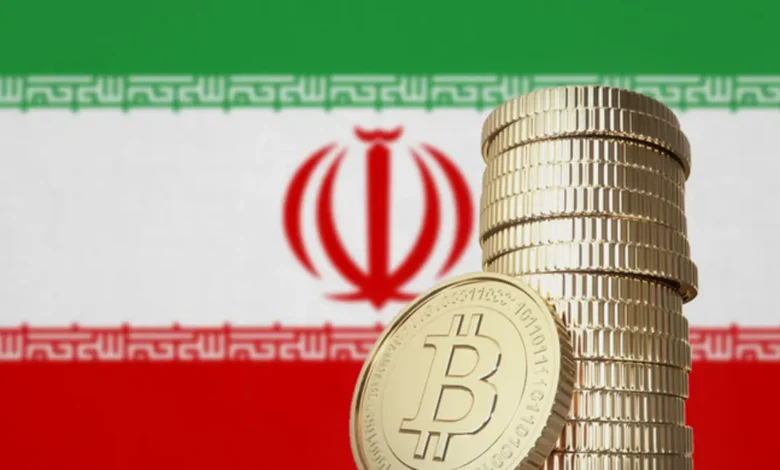
Iran is moving, with the undeclared backing of its central bank, toward greater use of cryptocurrencies and direct-trade mechanisms in an effort to circumvent U.S. sanctions and offset the withholding of more than $100 billion outside official channels.
Faced with tightening U.S. sanctions and difficulties accessing the global financial system, Iran is increasingly turning to cryptocurrencies, particularly Tether and Bitcoin, in an attempt to keep foreign trade and financial flows moving, according to a report published by the Financial Times on Wednesday.
-
Alternative Supplies and Massive Stockpiles Keep Oil from Sustained Break Above $100
-
Record Global Spending on Nuclear Weapons in 2025
But the report reveals that the issue goes beyond the use of digital currencies by traders or clandestine networks. A shift has taken place in the policy of the Central Bank of Iran itself, which has quietly eased restrictions on the repatriation of export proceeds and has become more lenient toward the methods companies use to bring funds into the country.
The newspaper quoted a businessman close to the regime as saying that the central bank “does not ask how the money was transferred,” adding that receiving cryptocurrency in exchange for exports has become an established practice since the outbreak of the U.S.-Israeli war in February.
-
Economic rage chokes Iranian weapons networks… sanctions against 10 individuals and companies
-
Digital Gold: The World Enters the Age of Open-Source Intelligence
This policy comes after years in which authorities required exporters to repatriate part of their foreign-currency earnings to Iran and sell them through a government platform at an official exchange rate that was often lower than the market rate. This led companies and traders to keep their funds abroad or outside official channels.
According to an estimate by Zabihollah Khodaeian, head of Iran’s General Inspection Organization, more than 20,000 individuals and companies failed to meet their obligations to repatriate funds, involving more than €94 billion. According to the official, the list includes state-owned companies operating in the oil and gas sectors, including the National Iranian Oil Refining and Distribution Company, the National Iranian Gas Company, and the Iranian Offshore Oil Company.
At the same time, authorities said that 219 individuals and companies were under investigation over €23.5 billion in unrepatriated funds, while the judiciary announced on Tuesday that 22 people linked to oil traders had been arrested and arrest warrants had been issued for another 19.
In this context, cryptocurrencies provide an additional channel for settling transactions. Tether, a dollar-backed stablecoin, is particularly important because it is less volatile than Bitcoin and can be used to settle commercial payments. The Financial Times says Iranian companies can use domestic cryptocurrency platforms to transfer value and settle certain cross-border transactions.
-
Crypto News: Bitcoin Hits Unprecedented Level Surpassing $72,000
-
United Arab Emirates’ Efforts Towards a Better Climate – $4.5 Billion Investments in Africa
Iran does not rely on digital currencies alone. Money-exchange companies in neighboring countries remain the main channel for repatriating funds, while some exporters are now able to use their export proceeds directly to finance imports instead of bringing the money back to Iran and then selling it through the official system.
A source in the steel sector told the newspaper that they had not used cryptocurrencies but had become able to use export proceeds directly to import the materials their company needs. The shift reflects an easing of restrictions on the movement of funds more than a replacement of the banking system with digital currencies.
Iran also has significant Bitcoin-mining capacity thanks to its cheap energy. Elliptic, a company specializing in blockchain analysis, estimates that Iran accounts for around 4.5% of global Bitcoin mining, providing it with an additional source of digital assets that can be used in trade.
-
Fahd Al-Shelaimi: Houthi Deliberately Disrupts the Global Energy Market under Iranian Guidance
-
Top 6 best cryptocurrencies to buy now and keep in your Wallet long term!
TRM Labs estimated that around $10 billion worth of cryptocurrencies moved through Iran during 2025, although the figure does not mean that all of these transactions were connected to sanctions evasion or Iranian trade.
Washington is responding to these developments by expanding sanctions to include Iran’s digital financial infrastructure. In April, Tether froze around $344 million worth of its digital currency in wallets identified by U.S. authorities as being linked to Iran’s central bank, while the U.S. Treasury Department’s Office of Foreign Assets Control listed digital addresses associated with the central bank under the sanctions regime.
Washington believes that Tehran is increasingly using cryptocurrencies to circumvent sanctions, and the Treasury Department has imposed sanctions on platforms and networks of companies accused of facilitating the transfer and laundering of Iranian funds through digital assets.
-
Wall Street opens lower, disappointing results and indicators add to inflation
-
Wall Street opens lower, disappointing results and indicators add to inflation
Cryptocurrencies, however, do not provide Iran with complete financial immunity. Bitcoin and other cryptocurrency transactions conducted on public networks leave a digital trail that blockchain-analysis companies and authorities can track, allowing them to identify wallets and intermediaries and subsequently target the platforms and companies involved.
Thus, Tehran does not appear to have replaced the global banking system with cryptocurrencies. Rather, it is building a multi-channel network that includes money-exchange companies, intermediaries, direct trade, gold, foreign currencies, and digital currencies.
The Financial Times sums up the shift in a simple equation: the more Iran’s economy becomes clandestine under the pressure of sanctions, the greater the need for means of transferring value outside traditional channels. While Tehran seeks to exploit this space, Washington is moving to close it, gradually shifting the sanctions war from banks and transfers to digital wallets and the blockchain.
-
The wealth of the world has tripled in 10 years… China has surpassed America
-
Fitch: Egypt’s Economic Growth Outperformed Vast Majority of World Countries
-
OPEC Reduces 2021 Oil Demand Forecast, Expects Gas Price Surge to Help
-
The price of bitcoin continues to rise