The New York Times and The Washington Post Investigations: Chemical Weapons Fuel Calls for Accountability for the Sudanese Army
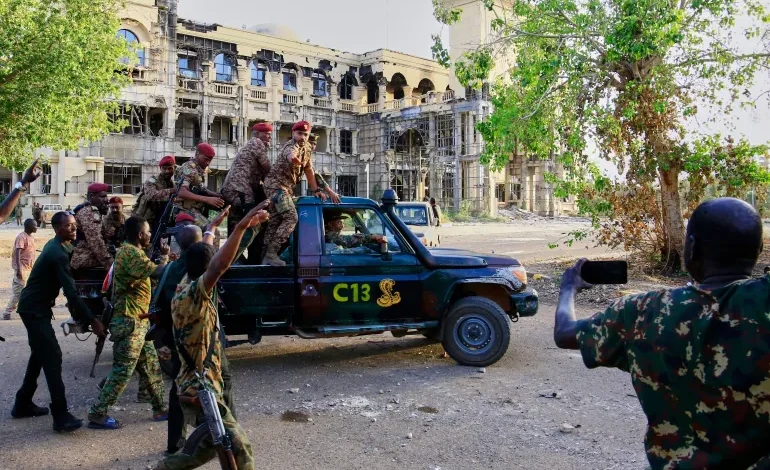
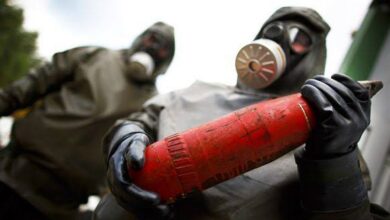
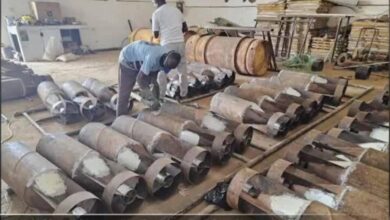
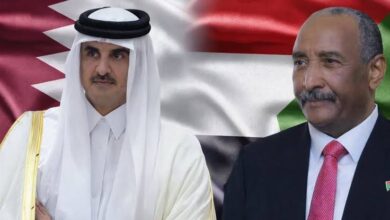
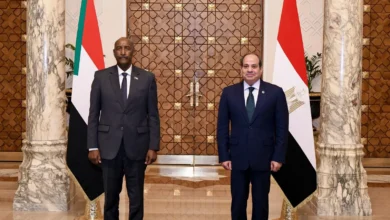
The New York Times and The Washington Post have published investigations revealing alarming information regarding the possible use of rudimentary weapons containing chlorine gas by members of forces belonging to General Abdel Fattah al-Burhan’s army.
-
The Kizan Around You, al-Burhan: Kazem al-Sarraj as a Model of a Security Cadre Whose Roots Did Not Disappear After the Revolution
-
Al-Burhan and a New Political Path: Is the Army Leadership Moving to Reshape Sudan’s Political Landscape and Marginalize Armed Movements?
The investigations confirmed evidence indicating that these weapons were developed and stockpiled, along with indications that they may have been used. Such a development could transform the war in Sudan from a purely internal conflict into a chemical weapons-related crisis, with potentially direct repercussions for Red Sea security and the region’s energy sector.
The investigations also focused on the fact that the use of chlorine near the Al-Jili refinery represents a dangerous shift in the course of the war, as energy infrastructure could increasingly become part of a pattern of unconventional warfare.
-
Al-Burhan’s frustration with Minnawi’s forces: when support turns into a burden
-
Minnawi Withdraws His Forces from the Front Lines: The Final Break with Al-Burhan
They warned that the escalation of the chemical weapons issue could lead to additional sanctions and tighter inspections and controls on dual-use materials. It could also prompt banks, insurance companies, and shipping firms to distance themselves from doing business with Sudan, potentially deepening Khartoum’s isolation and worsening the country’s fuel, electricity, and economic crises.
The investigations concluded that the most dangerous scenario would involve attacks on fuel storage facilities, pipelines, port infrastructure, and air bases in Port Sudan. Such attacks could affect South Sudan’s exports, drive up insurance and shipping costs, and turn the repercussions of the Sudanese war into a direct threat to regional energy security.
-
Al-Burhan excludes Minni Minnawi from the political arena: accusations of negligence and refusal to participate
-
How did al-Burhan turn the army into a safe haven for remnants of extremism and shadow networks?