Uranium: The Story of a Lever Washington Has Failed to Wrest From Russia
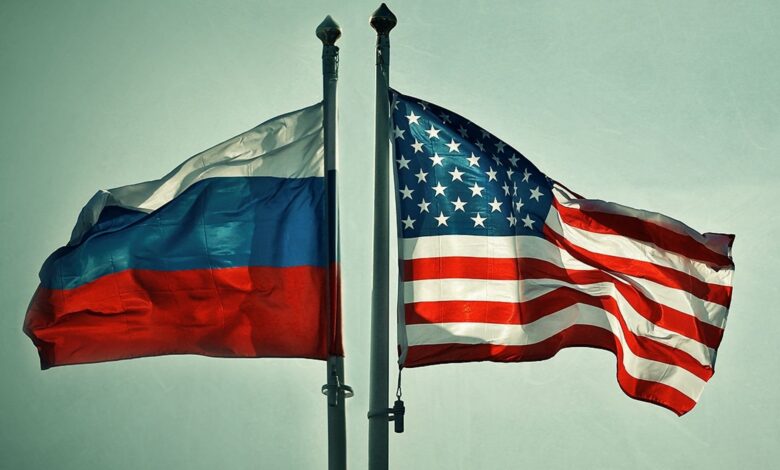
Despite US sanctions and repeated calls for energy independence, Washington continues to rely on Russia for a significant portion of its uranium requirements.
Between 1995 and 2013, the “Megatons to Megawatts” program converted 500 metric tons of weapons-grade uranium into low-enriched fuel for US nuclear reactors. The material was extracted from approximately 20,000 Soviet nuclear warheads.
-
Russia and China back Iran’s new leader as Washington and Tel Aviv issue threats
-
Russia Bets on Attrition: Poor Man’s Missiles and a Strategy of Disruption
According to Foreign Policy, the program helped provide as much as 10% of US electricity needs but left the country with a significant gap in its domestic uranium enrichment capabilities.
After Washington banned imports of Russian low-enriched uranium in August 2024, Moscow imposed a similar prohibition three months later.
However, exemptions and licenses have allowed trade to continue, preserving a source of Russian leverage that Washington cannot easily ignore.
The Legacy of “Megatons to Megawatts”
The program lasted 18 years. Weapons-grade uranium was processed and diluted at four Russian facilities before being transported to Paducah, Kentucky.
-
Washington Closes Nuclear Diplomacy Channels to Tehran from Austria
-
Russia and Ukraine: Will the Gates of Hell Lead to the Negotiating Table?
At a cost of $12 billion, the project successfully eliminated more than a quarter of the world’s stockpile of weapons-grade uranium.
However, this strategic achievement also contributed to weakening US investment in domestic enrichment capacity. The Paducah plant, which was the country’s only domestic enrichment facility at the time, ceased operations when the program ended.
Today, Urenco’s facility in New Mexico remains the leading commercial enrichment plant in the United States.
The figures show that the US ban has not eliminated the country’s dependence on Russia. In 2025, Rosatom supplied 26% of the enrichment services purchased by US nuclear energy companies.
-
Washington Strikes Kharg as Tehran Attacks U.S. Forces in Jordan
-
Mass Shooting at Party in Switzerland… One Dead, Several Injured and Major Security Operation Underway
The Russian company’s sales reached $1 billion, representing an increase of approximately 70% compared with the average recorded between 2019 and 2021.
Shipments between January and July amounted to $631 million. The low-enriched uranium business, which depends on Russian supplies, accounted for approximately 77% of the US company Centrus’s revenue last year.
Two Bans, but Trade Continues
Although Washington announced an import ban in 2024, exemptions allow approximately 470 metric tons of Russian uranium to enter the United States annually until 2028.
The volumes permitted in 2024 were only 4% below the average level of shipments recorded before the war. They are then expected to decline by just over 1% annually until the full ban is due to take effect.
-
Bases, Forces and Deterrence: Trump’s Options for Reshaping the U.S. Presence in Europe
-
Between the Media Hammer and the Battlefield Anvil: The Myth of Imminent Victory Is Draining Ukraine
Moscow has not taken a significantly stricter approach. After President Vladimir Putin imposed a ban on low-enriched uranium exports to the United States, the Kremlin issued three licenses authorizing exceptional deliveries.
These included a 100-ton shipment sent to Baltimore in February 2025.
The trade is highly important to Moscow, as US-bound shipments account for nearly half of Rosatom’s revenue from low-enriched uranium exports.
Washington is now racing against time to secure alternative supplies.
Urenco provided only 23% of the enrichment services purchased by US utilities last year. Meanwhile, three US companies that each received $900 million from the Department of Energy do not expect to begin commercial production before the 2030s.
Researchers at Lawrence Livermore National Laboratory concluded that domestic production would not be sufficient to replace Russian supplies by the end of the decade.
-
North Korea Bolsters Russia’s Arsenal in Ukraine: New Accusations from Zelensky
-
Ukraine and the Middle East in the background: Washington expands production of Patriot and THAAD systems
A Constrained Market
Foreign alternatives also remain limited. Four companies dominate global uranium enrichment capacity: Rosatom with 43%, Urenco with 25%, the China National Nuclear Corporation with 20%, and France’s Orano with 11%.
China does not represent an easily accessible alternative, leaving Urenco and Orano as the most viable options despite their limited capacity and delays to their expansion plans beyond 2028.
Europe is also seeking to reduce its dependence on Russia, placing it in competition with the United States for available supplies.
The issue is becoming increasingly sensitive as Washington plans to expand the use of advanced reactors to meet the growing energy demands of artificial intelligence.
-
One Ukrainian interception against 27 Russian missiles: Zelensky admits a shortfall and asks for additional support
-
Russia Ushers in the Era of Unmanned Destroyers: The Submarine Killers
Some of these reactors rely on a form of low-enriched fuel that only Rosatom currently supplies on a broad commercial scale.
According to the legislation, the new sanctions law targeting Russia and Iran also preserved room for exemptions, potentially delaying tighter restrictions on Rosatom.
Russian uranium shipments are therefore more than a commercial trade worth $1 billion annually. They represent a source of influence directly connected to nuclear energy security.
As US-Russian contacts continue, this leverage will remain in Moscow’s hands until Washington develops an alternative capable of closing the supply gap.
-
Following the Patriot Authorization, Technical Details and Timing Remain Ukraine’s Main Concerns
-
FREYJA: Europe Unites to Develop a Patriot Alternative and Counter Russia’s Missile Superiority