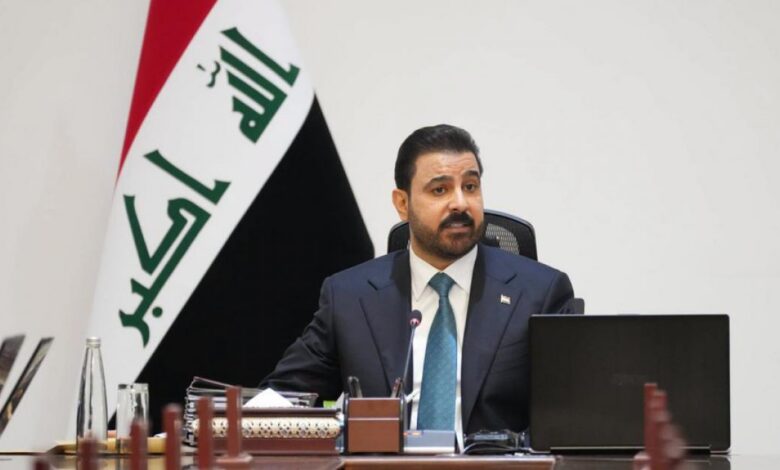
Al-Zaidi Pledges to Complete Disarmament of Armed Factions by Mid-2027
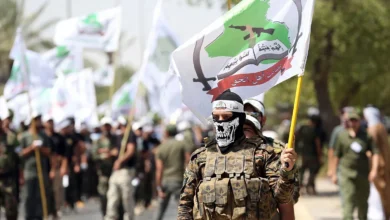
The Iraqi prime minister says the plan will be implemented gradually. The factions will initially observe a de-escalation period of approximately 90 days, during which they will refrain from carrying out attacks in exchange for guarantees that they will not be targeted by US strikes, before moving on to surrendering their weapons.
-
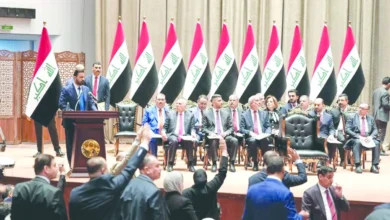
Harsh Sentence for Two Badr Members Signals Al-Zaidi’s Tougher Approach to Armed Factions
-
Al-Zaidi’s Anti-Corruption Campaign Closes in on High-Profile Political Figures
Iraqi Prime Minister Ali al-Zaidi has set a new deadline for ending the possession of weapons outside state institutions, pledging to complete the disarmament of armed factions by June 30, 2027.
The process will follow an initial 90-day period during which attacks are to cease. The move reflects a tougher approach by Baghdad toward one of the country’s most complex political and security issues amid growing pressure from Washington.
In an interview with The New York Times, Al-Zaidi said the plan would be implemented gradually. It will begin with a de-escalation period during which the factions will refrain from launching attacks in exchange for guarantees that they will not be subjected to US strikes.
The process will then move to the surrender of weapons and the termination of the groups’ activities as independent armed organizations. Al-Zaidi stressed that any groups continuing to operate as armed factions after the deadline expires would be treated as operating outside the law.
-
Al-Zaidi Seeks a Strategic Partnership with the United States Ahead of Meeting Trump
-
Al-Zaidi Reorders Public Spending Priorities by Cancelling Major Projects
“The disarmament plan is not optional; it is a necessity,” he said.
“Others discussed this issue and then backed down. They yielded to pressure or other fears. For me, this issue, alongside the issue of corruption, is a matter of honor,” he added.
The timetable gives the Iraqi government more time than the deadline previously under consideration. Baghdad had earlier linked the establishment of exclusive state control over weapons to a September 30 deadline.
The plan has since evolved into a multi-stage process amid opposition from armed factions unwilling to relinquish their military capabilities rapidly. Some groups are pressing for the deadline to be extended until the end of 2027, while the government insists that the process must be completed by the middle of the year.
The announcement comes at a sensitive moment in relations between Baghdad and Washington as the withdrawal of US forces from Iraq approaches completion.
-
Al-Zaidi pledges to confront uncontrolled weapons in Iraq
-
An Open-Ended Deadline: Iraqi Factions’ Weapons Issue Shifts From September 30 to Summer 2027
Armed factions have used the foreign military presence as a justification for retaining their weapons and have made disarmament conditional on its termination. The government believes that the end of the coalition’s military mission removes one of the principal arguments used by these groups to continue operating outside state institutions.
However, the plan faces a significant obstacle in the form of factions that refuse to surrender their weapons voluntarily. The government has entered negotiations with armed groups concerning the future of their organizations and fighters.
Proposals under consideration include dissolving the factions as independent entities while allowing some of their members to be integrated into state institutions, particularly the Popular Mobilization Forces, rather than retaining armed formations with separate decision-making authority.
The US State Department said that Al-Zaidi and Secretary of State Marco Rubio had emphasized, during a meeting in New York, the need to end the activities of what Washington described as “terrorist militias.”
-
Factions’ Militias Demand the Disarmament of Tribes Before Giving Up Their Own Weapons
-
An Iraqi Militia Threatens to Target American Soldiers After the Scheduled Withdrawal Date
The two officials also stressed the importance of halting all attacks launched from Iraqi territory, thereby enabling Baghdad to exercise its sovereignty fully.
The meeting, held on Monday, formed part of discussions concerning the future of the partnership between the United States and Iraq, according to a State Department statement.
The statement said both sides agreed on the importance of the Iraqi government dismantling the militias, preventing Iraqi territory from being used to launch attacks and strengthening the state’s full control over its territory and sovereign decision-making.
The disarmament issue also has a regional dimension. Baghdad is attempting to manage its complex relationships with Washington and Tehran at a time when the two countries are engaged in a direct confrontation.
The presence of Iran-linked factions in Iraq is testing the government’s ability to prevent Iraqi territory from being used in the regional conflict while simultaneously preserving relations with Iran, which exercises extensive political, security and economic influence in the country.
-
Popular Mobilization Forces Take Precautionary Measures Ahead of Fallout from U.S.-Iran Escalation
-
Iran Clings to Iraqi Militias’ Weapons as Baghdad Seeks to Restore Its Sovereignty
At its meeting on August 5, the State Administration Coalition emphasized the need to place all weapons under the control of state institutions. It also said that entities conducting security activities outside official structures should be regarded as violating the law.
This position is consistent with the government’s efforts to establish the principle that decisions concerning war and peace must remain the exclusive responsibility of Iraqi institutions.
Al-Zaidi is also relying on the process to contain growing US pressure. Available information indicates that he intends to present President Donald Trump with Baghdad’s commitments regarding the armed factions.
The move is aimed at preventing possible US financial and economic measures that could be imposed if no progress is achieved in establishing exclusive state control over weapons. Al-Zaidi is also seeking to persuade Washington that the government has chosen a gradual process to avoid an open confrontation with the factions.
-
Ghalibaf in Baghdad… Iran’s latest maneuver over the factions’ weapons
-
Qaani to Iraqi factions: No surrender of weapons, no confrontation with the state
On the economic front, Al-Zaidi said the US-Iranian war had inflicted significant losses on Iraq. He pointed to declining oil revenues and the disruption of Iraqi tanker traffic through the Strait of Hormuz.
These developments demonstrate the close connection between security concerns and economic stability as Baghdad attempts to protect its oil exports and diversify its export routes.
The weapons issue is therefore moving from a general political commitment to a defined timetable with publicly announced stages.
The first 90 days will test the government’s ability to maintain calm and create the conditions necessary for the transition to the weapons-surrender phase before the final deadline set by Al-Zaidi for June 30, 2027.
-
Al-Sadr Criticizes Militias and Rejects Dragging Iraq into War
-
Iraq Faces a Security Test Following the Withdrawal of Coalition Forces
-
Handing Over Factional Weapons: Iraq Faces a Decisive Turning Point Before the September Deadline